By Usman Zurmi
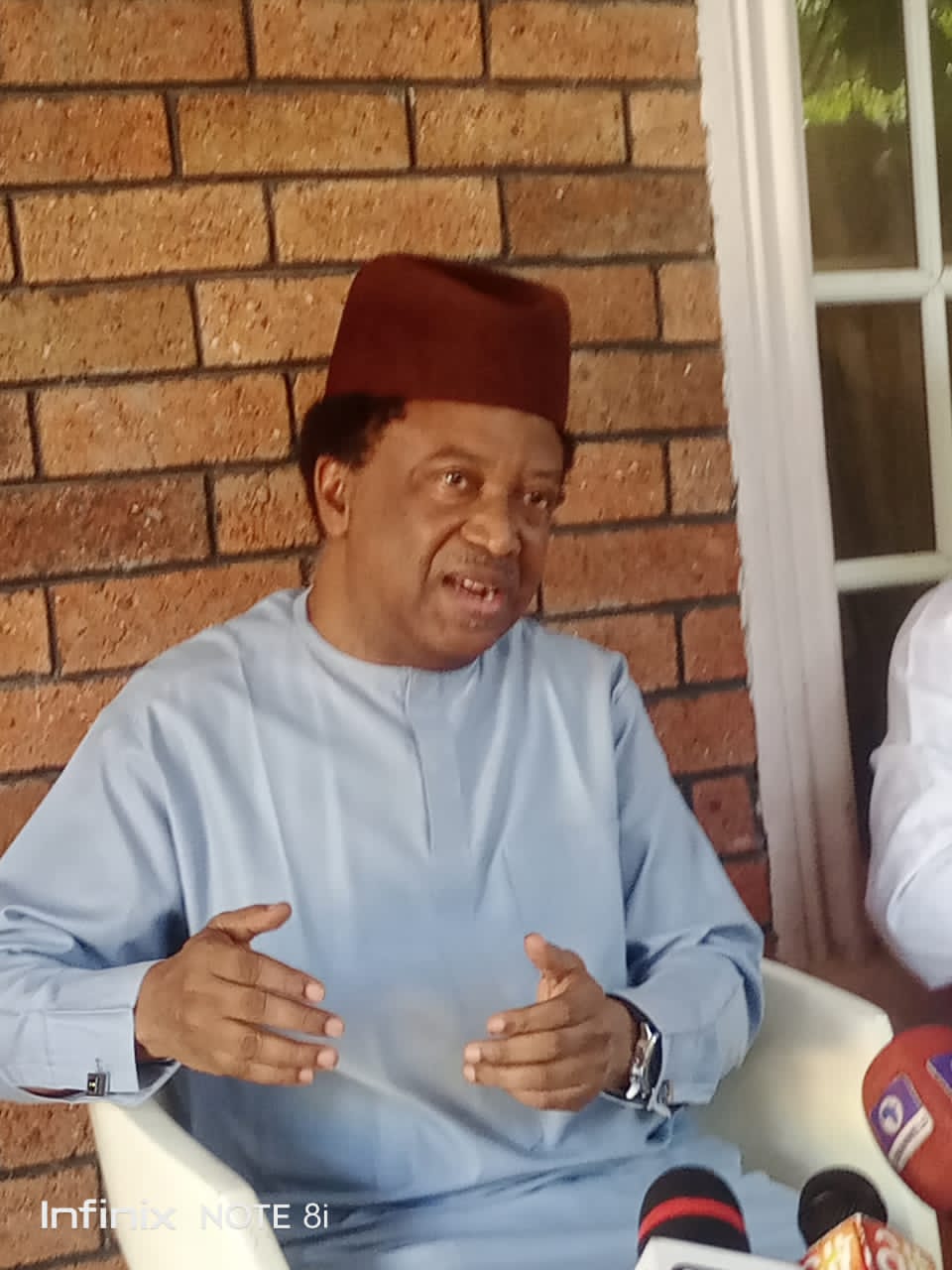
Former Senator representing Kaduna Central, Shehu Sani, has sharply criticized ex-Kaduna State Governor Mallam Nasir El-Rufai over his recent attacks on President Bola Ahmed Tinubu’s economic policies, accusing him of lacking the moral authority to speak on issues of fiscal transparency.
In a post published on his verified Facebook page, Sani accused El-Rufai of hypocrisy, stating that the same man now lambasting Tinubu over alleged deductions from federal allocations was himself accused of diverting local government funds during his time as governor—without consequence.
“Is this not the same El-Rufai who allegedly tampered with LG funds consistently during his time as governor? How come no one held him accountable then?” Sani asked rhetorically, a question that resonated widely across social media platforms.
Throughout El-Rufai’s eight-year administration in Kaduna State (2015–2023), multiple local government chairmen reportedly complained of poor remittances and a lack of financial autonomy. Yet, despite the gravity of the allegations, the Kaduna State House of Assembly did not initiate any probe or impeachment process, leading many to question the effectiveness of institutional oversight under his government.
El-Rufai recently condemned President Tinubu’s economic decisions—particularly the removal of fuel subsidy and deductions from statutory federal allocations to states—accusing the administration of worsening the economic plight of Nigerians. While many citizens share concerns over rising inflation, high fuel prices, and the cost of living under Tinubu, El-Rufai’s intervention has been viewed by some as politically motivated.
“Shehu Sani is right. El-Rufai’s record in Kaduna hardly qualifies him to be a critic of bad governance. He centralized power and allegedly stifled the financial independence of local councils. Nigerians deserve consistent voices of accountability, not selective outrage,” said Aisha Mohammed, a governance analyst based in Abuja.
Political commentators argue that El-Rufai’s statements are part of a broader pattern in Nigerian politics, where former public officeholders seek to rehabilitate their image by posing as reformers, often while sidestepping questions about their own legacy.
Sani’s remarks have ignited fresh calls by civil society organizations for greater accountability, not just for current leaders but also for those who previously held office. The organizations are demanding that past governors—including El-Rufai—be investigated for financial mismanagement and abuse of power, particularly with regard to local government autonomy and transparency.
“The system of impunity must end. Whether you are in office or out, you should be answerable for how you governed,” said Daniel Onu, a spokesman for the Transparency Front Initiative.
While President Tinubu’s fiscal reforms continue to face national scrutiny, critics say the focus must also remain on ensuring that past leaders do not escape accountability under the guise of political opposition or elder statesmanship.
As the verbal sparring between Shehu Sani and Nasir El-Rufai continues to dominate headlines, the public appears to be demanding a more consistent and principled standard for political commentary—one based not on ambition or score-settling, but on a genuine track record of transparency and service.

 Dan Zaki Media