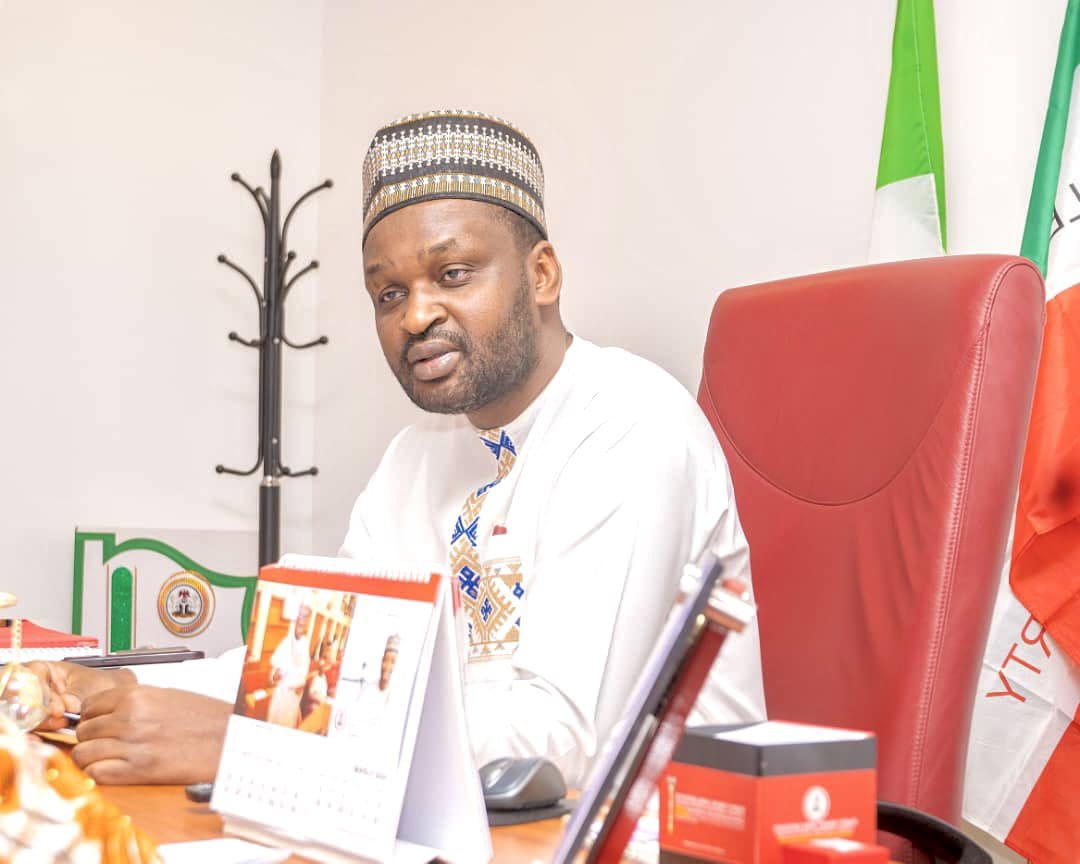
Nigeria Takes Center Stage as ECN DG Engages Africa’s Power Brokers at Ethiopia Energy Efficiency Conference

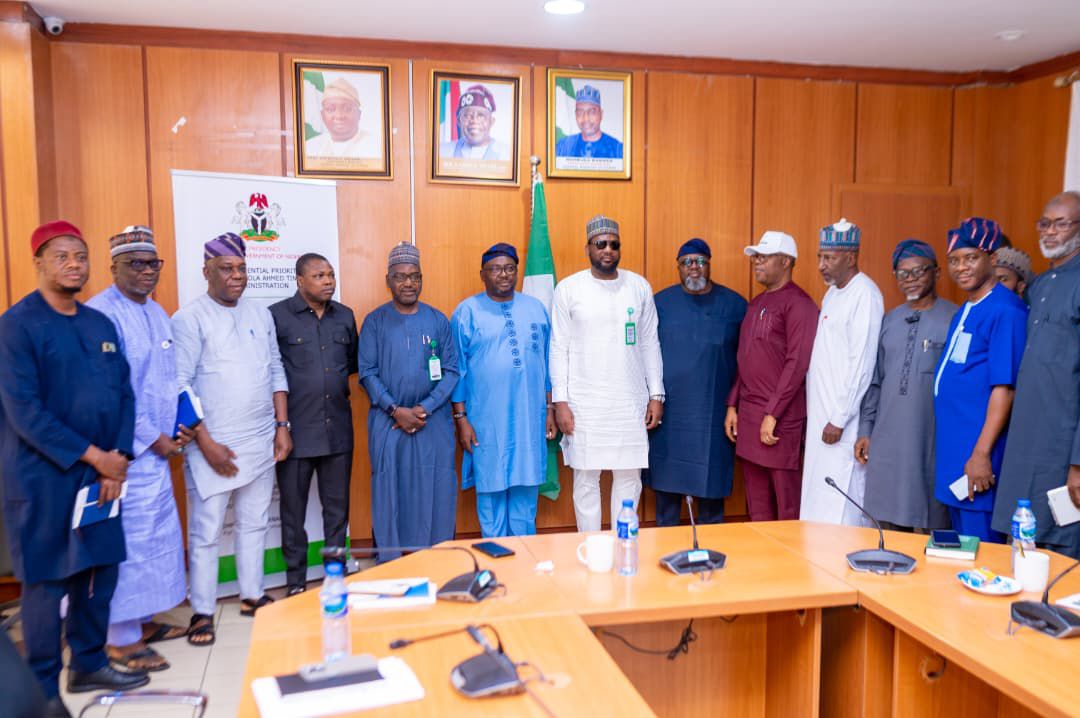
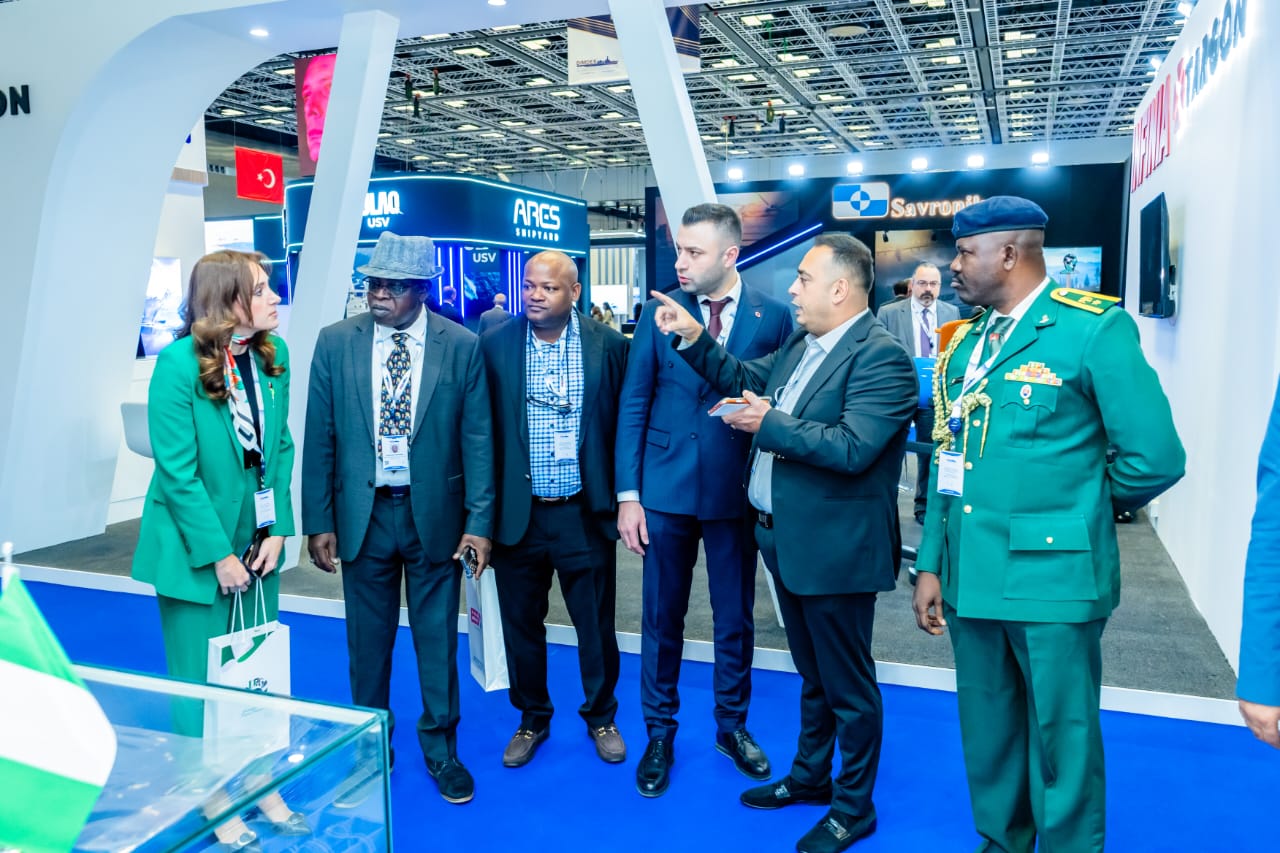
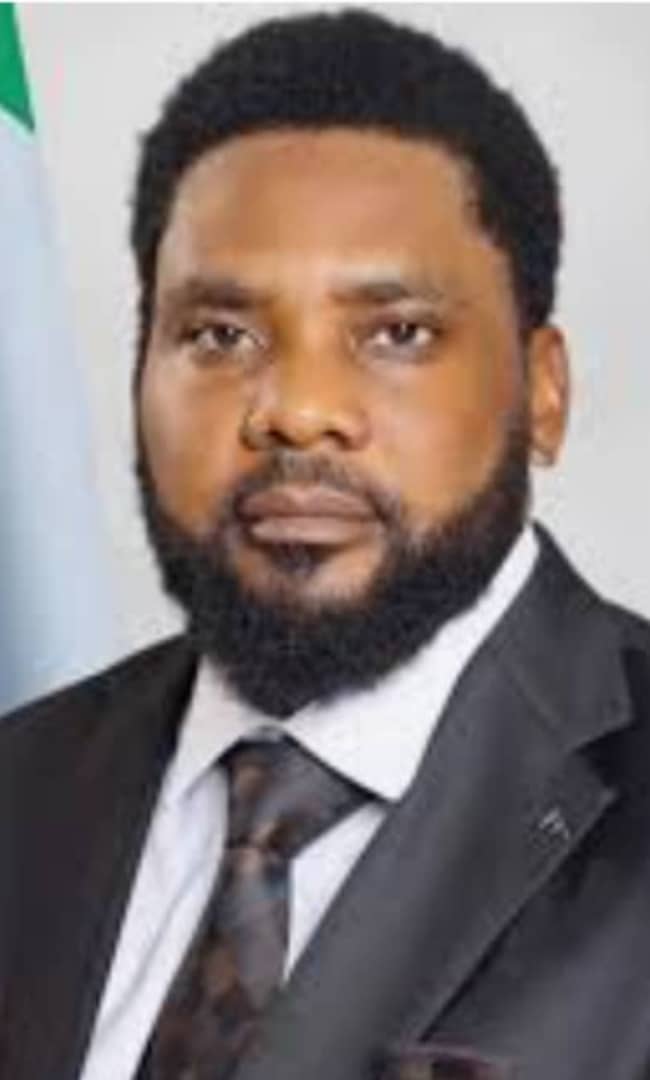
As part of Nigeria’s strategic positioning and commitment to driving sustainable energy solutions for Africa’s future, the Director-General of the Energy Commission of Nigeria (ECN), Dr. Mustapha Abdullahi, has participated in the opening ceremony of the African Energy Efficiency Conference held in Ethiopia.

Dr. Abdullahi, who was a special guest at the event, participated in critical conversations with senior officials, leading African figures, and the Energy Minister of Kenya, where discussions focused on the central role of energy efficiency in stimulating economic growth and strengthening climate resilience across Africa.

The Director-General of ECN also engaged with representatives from the EU, the European Investment Bank, GIZ, the IEA, AFD, and SEforALL.

The engagements explored partnerships, financing pathways, and supportive policy frameworks aimed at expanding Nigeria’s contributions and ensuring outcomes throughout the conference.

Co-Defendant in Sylvanus Enonche Oko Case, Timothy Ejiofor Benedict Arrested, Arraignment Stalled Again at Federal High Court

The long-delayed prosecution of the co-defendant in the case involving Sylvanus Enonche Oko, Mr. Timothy Ejiofor Benedict, took a new turn on Monday following his arrest by law enforcement agents after weeks of evading police administrative bail. His absence had stalled the previous court sitting and raised concerns about deliberate attempts to obstruct the judicial process.

Court officials confirmed that the defendant was apprehended over the weekend and brought to the Federal High Court for arraignment. His arrest followed what investigators described as “sustained tracking” after he failed to honour the bail terms earlier granted by the police.

“He had been on the run for some time, and his failure to appear in court at the last adjourned date made today’s arrest necessary,” a court source said. “The court could not continue to wait indefinitely.”

However, proceedings did not advance as expected. The defendant was served an amended charge only moments before the case was called, prompting his counsel to request more time to review the document. The presiding judge agreed and adjourned the matter to 17 December to allow the defendant to take his plea under fair hearing provisions.

“The amended charge was only brought to his attention this morning. The court must give him the opportunity to understand it fully before entering a plea,” a judicial officer explained.

Complainants in the case welcomed the arrest, praising law enforcement agencies for acting decisively.

One complainant said the arrest signaled that due process was finally taking shape. “We are relieved that he has been found and brought before the court. All we want is justice, and justice cannot move forward when defendants keep disappearing.”

Another complainant commended the officers who executed the arrest, saying their action restored confidence that the matter would no longer be stalled. “The police have done well, and we appreciate their commitment. This gives us hope that the truth will come out.”

A security source familiar with the investigation also noted that the defendant’s disappearance had complicated the prosecution. “Every time a suspect jumps bail, it stretches resources and slows justice for everyone,” he said.

Authorities confirmed that the principal suspect in the case remains at large, with efforts ongoing to locate him. Officials declined to give operational details.

Following his arrest, the court ordered that Timothy Ejiofor Benedict be remanded in Kuje Prison until the next adjourned date.

The case, which has already suffered several delays linked to the co-defendant’s disappearance, will now resume on 17 December, when the defendant is expected to take his plea after reviewing the amended charge.

As one complainant summed up: “We are watching closely. This time, the process must not be derailed again.”

Youth Leaders Demand Stronger Electoral Reforms at Kaduna Townhall

Young political actors and civil society representatives have called for urgent reforms to strengthen Nigeria’s electoral process and expand youth participation.

The demand was made during a Youth Constituency Townhall Meeting on Electoral Reform Priority Recommendations held in Kaduna on Thursday, December 9, 2025, where speakers highlighted gaps in voter registration, result transmission, and political inclusion.

The event was organised by JESZ Development Foundation (JDEV), supported by the Canadian Funds for Local Initiative, in partnership with Kimpact Development Initiative (KDI).

Speaking at the event, Chairman, National Youth Council of Nigeria (NYCN), Kaduna State Chapter, Abubakar Umar, emphasised that Nigeria’s electoral success depends heavily on young people, who make up more than 70 per cent of the population.

Abubakar said the youth must not only participate in voting but also play central roles in the management of the electoral and electioneering processes.

“The electoral process should be managed by the youth. The voting population is largely youth, and when elections succeed, the benefit goes to the youth, and when it fails, the consequences also fall on them,” he said.

He added that the Not-Too-Young-To-Run Act continues to shape Nigeria’s political landscape, noting that more young people between ages 18 and 29 are contesting and winning elections.

“It is still making a strong impact. Young people are entering leadership positions, and this is healthy for our democracy,” he said.

Abubakar explained that while youth inclusion is critical, some aspects of electoral management remain constitutionally within the powers of the executive, including the appointment of the INEC Chairman.

“Certain powers are vested in the executive and may remain so until our democracy evolves further,” he said.

Executive Director, JDEV, Ms. Zigwai Ayuba, stressed that ongoing electoral reforms must reflect the voices and priorities of young Nigerians.

She said youth organisations had developed five key recommendations for lawmakers, including the need to properly define and implement continuous voter registration (CVR).

“Every day a young Nigerian turns 18. They should be able to register immediately. If voter registration is not continuous, we need a clear interpretation that makes it truly continuous,” she said.

Ayuba also called for immediate implementation of electronic transmission of results and insisted that all electoral litigations must be concluded before the swearing-in of elected officials to prevent prolonged political crises.

She stated that the coalition hoped the National Assembly and State Assemblies would adopt youth-driven priorities that show young Nigerians’ commitment to improving the country’s democracy.

On his part, Development Consultant, Auwal Muhktar Suraj Esq, argued that electoral reform is essential because each election cycle exposes technical and operational weaknesses.

“Our elections have suffered from inconsistencies like technical, technological, and operational. Reforms are a necessary tool to correct these lapses,” he said.

He urged the government to address major issues such as vote buying, insecurity at polling units, and technological failures, especially the controversies surrounding the electronic transmission of results during the 2023 elections.

Auwal added that youth inclusion is non-negotiable.

“Youths are the backbone of society. They vote, they campaign, and they make up the majority. So, if we want real progress, young people must be brought into governance,” he added.

Youth Creativity on Display as Shehu Sani Funds Painting Contest in Kaduna

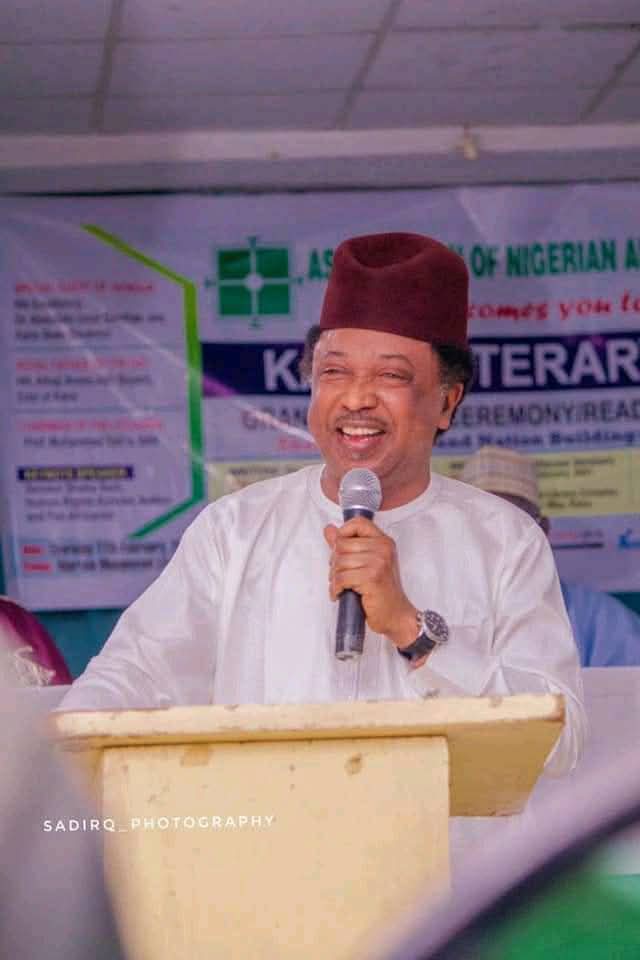
Former Kaduna Central Senator, Comrade Shehu Sani, has reiterated the power of art as a unifying force and a catalyst for national development, as he sponsored and graced a Painting Competition held on Wednesday at the Kaduna Museum.

The event, which attracted dozens of young artists, students, cultural enthusiasts and community leaders, showcased a variety of paintings reflecting themes of peace, unity, diversity and social harmony.

Speaking during the ceremony, Sani said the competition was conceived to encourage creativity among young Nigerians and to provide them with a platform to express themselves freely through visual arts. According to him, painting and other creative expressions have the capacity to bridge divides, foster tolerance and strengthen national cohesion.

He noted that art remains a universal language that communicates across ethnic, religious and political barriers, making it a strategic tool for promoting peaceful coexistence in a multicultural society like Nigeria.

“Art has the power to heal, to unify and to inspire,” Sani said. “What these young artists have demonstrated today is that creativity can serve as a panacea for our national challenges, including unemployment, social tension and the lack of opportunities for the youth.”

The former senator emphasised that investment in art and creative industries can contribute significantly to job creation, tourism growth and youth empowerment. He urged government agencies, cultural institutions, NGOs and private-sector actors to support similar initiatives that highlight the talents of young Nigerians.

Sani also commended the participants for their outstanding works, promising to continue supporting programmes that promote creativity, skill development and peaceful engagement among young people.

Curators at the Kaduna Museum and coordinators of the competition praised Sani for his consistent commitment to cultural development and youth empowerment, stressing that the event would inspire many young artists to pursue careers in the creative sector.

Winners of the competition received certificates, cash prizes and art materials, while their works are expected at the museum and other public exhibitions aimed at promoting peace and unity.

Journalists Trained in Kaduna on Human Rights, ACJL Implementation and Women, Peace & Security


The CLEEN Foundation on Tuesday opened a three-day media workshop in Kaduna aimed at strengthening journalists’ capacity to report on human rights protection, the implementation of the Administration of Criminal Justice Law (ACJL), and advancing issues of Women, Peace and Security (WPS) across implementing states.

The Executive Director of CLEEN Foundation, Peter Maduoma, represented by Christiana Lawrence, welcomed participants and described the workshop as a crucial step toward improving justice sector accountability and promoting gender-responsive governance. The event, holding from December 9–11 at City Den Hotel, brings together journalists, researchers, policymakers and members of state working groups.

Maduoma said the training is part of the organisation’s project, “Strengthening Rights-Based Approach to ACJA Frameworks and Advancing Women, Peace and Security in Nigeria,” which seeks to address persistent gaps in justice delivery and the inclusion of women in governance and security processes.

He noted that despite the passage of the Administration of Criminal Justice Act (ACJA) in 2015 and its adoption by many states as the ACJL, implementation remains uneven. According to him, journalists play a decisive role in bridging this gap through accurate reporting, public enlightenment, and holding institutions accountable.

“Our goal is to build your capacity on human rights protection through adequate ACJL and WPS reporting, share insights from our state engagements, and gather your perspectives on how justice actors can be held more accountable,” he said.

He added that the project has already carried out baseline assessments, strengthened the capacity of justice stakeholders, set up state working groups, and inaugurated multi-stakeholder committees to monitor WPS implementation. He expressed optimism that the workshop and policy brief dissemination would support policymakers to improve justice delivery and advance the WPS agenda.

Maduoma thanked the Royal Norwegian Embassy for funding the project and commended researchers and partners for their continued support.

Kaduna ACJL Working Group Calls for Stronger Media Partnership

Delivering a goodwill message, Chairman of the Kaduna State ACJL Working Group, Dr. Terngu Gwar, praised CLEEN Foundation for convening what he described as a “multi-dimensional engagement” on human rights, gender inclusion, peace and security.

Gwar stressed that the ACJL is one of the most transformative reforms in Kaduna’s justice system as it eliminates delays, protects suspects, victims and witnesses, and strengthens transparency. But he warned that the success of the legislation ultimately depends on public awareness—an area where the media remains indispensable.

“Journalists are the bridge between policy and the people. Through ethical and human rights-centred reporting, the media strengthens accountability and ensures that state and non-state actors uphold their obligations,” he said.

He also highlighted the importance of women’s leadership in peace and governance processes, noting that global evidence shows societies become safer and more inclusive when women actively participate in decision-making. The media, he said, has the power to “challenge stereotypes and promote narratives that advance gender equality.”

Gwar pledged the commitment of the ACJL Working Group to collaborate with journalists by providing access to information and technical clarifications to enhance accurate reporting on justice system reforms.

Media Needs Deeper Knowledge of Justice Reform — NUJ Chairman

The Chairman of the Kaduna State Council of the Nigeria Union of Journalists (NUJ), Abdulgafar Alabelewe, also delivered remarks, describing the training as “timely and important.”

He noted that journalists in Nigeria are overstretched due to competing demands from the security, political, economic and social sectors, making it difficult for many to specialise or develop deep expertise in justice administration.

“Before journalists can effectively report on any sector, we must first deepen our knowledge of the subject matter,” Alabelewe said. He added that gaps in understanding often limit the depth and quality of justice-sector reporting.

He stressed that the media has a social responsibility to empower citizens and ensure the vulnerable receive justice. Many detainees in Nigeria, he said, remain behind bars not because they are guilty but because their rights were not protected.

Alabelewe assured that the NUJ Kaduna Council is committed to partnering with the ACJL Working Group and CLEEN Foundation, emphasising that journalists are ready to investigate and highlight issues—but stakeholders must bring these matters to their attention.

As the workshop continues, participants are expected to engage in technical sessions on human rights principles, ACJL reporting, gender-responsive governance, and the WPS agenda.


Nigeria, Saudi Arabia Seal Five-Year Defence Cooperation Pact

Nigeria and the Kingdom of Saudi Arabia have signed a new Memorandum of Understanding (MoU) to strengthen defence and military cooperation between both nations.

According to a statement by Ahmed Dan Wudil, Special Assistant on Media to the Minister of State for Defence, the five-year agreement will cover strategic collaboration across security, military training, intelligence sharing, defence production, and joint operations aimed at sustainable security development.

The pact was signed on behalf of Nigeria by the Minister of State for Defence, Dr. Mohammed Bello Matawalle, while Dr. Khaleed H. Al-Biyari signed for the Government of Saudi Arabia.

The statement noted that the agreement marks a significant step in boosting bilateral relations and enhancing joint efforts to tackle emerging security threats confronting Nigeria. The Defence Ministry welcomed the development, expressing optimism that current security challenges in parts of the country will soon be overcome.

Steady Hand In Stormy Times: The Legacy And Leadership Of General Christopher Musa (Rtd.)

In moments when nations confront the limits of their endurance, history often turns to leaders whose lives have been shaped on the frontlines of discipline, strategy and sacrifice. General Christopher Gwabin Musa (Rtd.), Nigeria’s former Chief of Defence Staff and now Minister of Defence, stands among such figures—calm in crisis, firm under pressure and unwaveringly committed to the ideal of a secure and united Nigeria.

A Soldier Forged by Training and ExperienceGeneral Musa’s pathway into the upper echelons of Nigeria’s security architecture is the result of decades of methodical preparation. A graduate of the Nigerian Defence Academy, among the country’s toughest institutions, he also received specialized training in strategic warfare, counterterrorism and operational command both in Nigeria and abroad. His academic credentials, including coursework in defence management and national security strategy, complement a career of hands-on military experience.

It is this blend of intellectual grounding and practical command that enabled him to helm Operation Hadin Kai, the major counterinsurgency mission in the northeast, with a reputation for coordination, discipline and respect for humanitarian considerations.Bravery without SpectacleThose who served under him often describe his bravery not as the loud, chest-beating kind but as something quieter and more resolute. Musa was known for visiting forward operating bases that many senior officers only observed from afar. His presence—unannounced, unarmed beyond standard protocol and fully exposed to the same dangers as his troops—communicated a simple truth: leadership is accountability lived, not preached.

Even as he rose in the ranks, he maintained this ethos, showing the country that courage is measured not only on the battlefield but also in the willingness to take responsibility when decisions carry real-world consequences.Principles That Anchor LeadershipThree values have consistently defined his service: Professionalism – General Musa’s insistence on discipline, due process and respect for the chain of command helped restore confidence in joint operations during a period of fragmented security efforts; Integrity – known for his straightforward communication style, he routinely provided briefings grounded in facts rather than theatrics—an essential quality in an era of misinformation and national uncertainty and Humanity – Musa emphasized protecting civilians, collaborating with humanitarian agencies and ensuring that military operations aligned with Nigeria’s legal and ethical obligations.A Legacy Rooted in Service, Not PowerAcross his career, Musa has worked to professionalize the military, strengthen inter-agency intelligence sharing and promote welfare reforms for troops deployed in high-risk zones.

His tenure as Chief of Defence Staff demonstrated the potential of a security leadership that is steady even when the national mood is anxious. If his legacy has a central theme, it is this: service above self.Suitability at a Critical HourNigeria today confronts a complex security landscape—terrorism, banditry, oil theft, cyber threats and communal tensions converging into one of the nation’s most challenging periods. At such a time, the role of the Minister of Defence demands not only policy knowledge but also a deeply practical understanding of the terrain, the troops and the tactics that work.

General Musa brings decades of field command experience, proven record of coordinating multi-theatre operations, strong credibility within the armed forces as well as disciplined and principle-driven approach to national defence. These qualities do not promise miracles—but they offer something more realistic and arguably more important: competence, steadiness and an understanding of what it truly takes to safeguard a nation’s sovereignty.An Image of Hope in Difficult TimesNigeria’s insecurity challenges are steep, undeniably so.

But history shows that nations have overcome worse when guided by leaders capable of clear thinking and grounded action. General Christopher Musa (Rtd.) represents a generation of officers who understand the price of peace because they have fought through the cost of its absence. His career is a reminder that leadership, at its best, is not about promises—it is about presence, principle, and persistence.In a moment when the country seeks reassurance, his story rekindles a belief that Nigeria has within its own ranks the capacity, courage and competence to overcome the storms it faces.

No doubt, his appointment reflects political wisdom and thoughtful leadership decision from the Commander in Chief – it has reinforced public confidence and strengthened the nation’s resolve.

This opinion piece was written by Barrister Aminu Hussaini – Special Adviser to the Governor of Kano State – AKY on Justice/Constitutional Matters – +234 8033742424 – aminuhussaini173@gmail.com

Northern Group Wants DSS to Detain Marafa Over ‘Foreign Invasion’ Remarks


By Musa Luka


A northern-based organisation, the Northern Progressive and Advancement Forum, has urged the Department of State Services (DSS) and the Nigerian Immigration Service (NIS) to apprehend Nigerians alleged to be agitating for foreign intervention in the nation’s security challenges.

The call was made on Sunday in Birnin Kebbi by the group’s spokesperson, Alhaji Abubakar Yusuf, after an emergency meeting convened to address what it described as escalating “reckless political utterances.”

Yusuf warned that freedom of expression and political disagreement must not serve as a shield for “treasonable statements” capable of threatening Nigeria’s unity, peaceful coexistence, and national sovereignty.

He accused certain northern politicians—particularly from Zamfara State—of benefitting from past political appointments yet resorting to “dangerous rhetoric” due to political differences and personal grievances.

According to him, such agitation has increasingly targeted the Minister of Defence, Mohammed Bello Matawalle, with critics allegedly attempting to undermine his achievements in office.

“A highly placed politician from Zamfara State, who should be offering solutions to our lingering security challenges, is instead fuelling tension and making reckless statements,” Yusuf said.

He recalled that during Matawalle’s tenure as governor, he removed a traditional ruler who reportedly conferred a chieftaincy title on notorious bandit leader Ado Alero.

Yusuf also accused former APGA National Secretary, Abdullahi Shinkafi, of repeatedly criticising Matawalle and making allegations he described as unsubstantiated.

Condemning such remarks as harmful to national progress, the group insisted that the Defence Minister occupies his position legitimately with the President’s approval and is working in the interest of Nigerians.

“We call on the DSS and the NIS to arrest Senator Kabiru Marafa and Alhaji Abdullahi Shinkafi and to seize their international passports for actions capable of undermining national peace and security,” Yusuf stated.

The forum commended President Bola Ahmed Tinubu for appointing Matawalle and highlighted what it described as his contributions to counter-insurgency efforts, including the rescue of schoolgirls in Kebbi and previous rescues in Chibok, Dapchi, and Yauri.

Yusuf further praised the President, the Nigerian Armed Forces, and other security agencies for what he termed their recorded successes in combating insurgency, banditry, and other forms of criminality.

He urged northerners to unite, embrace constructive engagement, and take advantage of available opportunities to address regional challenges and promote socioeconomic development and peaceful coexistence.

MBF Postpones December Stakeholders Conference in Akwanga

Mike Abu Rata

The Middle Belt Forum (MBF) has announced the postponement of its December Stakeholders Conference, earlier scheduled to take place from December 10 to 12, 2025, at Kini Country Guest Inn in Akwanga, Nasarawa State.

The Forum, which has served as the umbrella body for the peoples of the Middle Belt since its founding in 1947, said the decision became necessary due to unforeseen developments requiring attention before the event can hold.

The planned conference was expected to serve as a strategic platform for strengthening unity and shaping a coordinated regional agenda for the diverse ethnic nationalities of the Middle Belt. The region, as defined by the Forum, includes the indigenous peoples of the former Northern Region who did not belong to the Sokoto or Borno Caliphates before colonial rule. These span communities across Southern Kebbi, Southern Borno, Southern Bauchi, Southern Kaduna, and the states of Gombe, Kwara, Kogi, Nasarawa, Benue, Plateau, Taraba, Niger, as well as the Federal Capital Territory (FCT).

In a notice signed by the Chairman of the Central Organising Committee (CPC), Barrister Dan Ejembi, and issued on Sunday on behalf of MBF President, Dr. Pogu Bitrus, the Forum expressed regret over the postponement.

“Any inconveniences caused by this unfortunate development are deeply regretted,” the statement said, assuring stakeholders that a new date would be announced soon.

The Forum reiterated its commitment to engaging leaders, communities, and partners across the Middle Belt to deepen unity, enhance stability, and advance a collective vision for the region.

The statement was signed by Luka Binniyat, Spokesman of the Middle Belt Forum.

NSNCM Urges Tinubu to Retain Matawalle as Minister of State for Defence, Cites Stability and Ongoing Security Gains

The Nineteen Seventeen Northern Consensus Movement (NSNCM), a coalition of 598 registered associations across the 19 Northern states and Northern communities in the 17 Southern states, has declared firm support for the Minister of State for Defence, Dr. Bello Mohammed Matawalle, urging President Bola Ahmed Tinubu to retain him in office in the interest of national security.

Addressing a press conference in Abuja, the National President of the movement, Dr. Awwal Abdullahi Aliyu, said the organization—one of the largest socio-political coalitions in the region—convened the briefing to commend recent security appointments by the President and to emphasize the importance of continuity within the defence leadership.

Dr. Aliyu applauded President Tinubu for appointing General Christopher Gwabin Musa as the new Minister of Defence, describing him as a “detribalized, highly accomplished and patriotic military leader.” He added that Musa’s experience and national outlook have inspired fresh confidence among Nigerians.

He also commended the former Defence Minister, Mohammed Badaru Abubakar, who resigned on health grounds, noting that his dedication and achievements remain appreciated.

Much of the NSNCM statement focused on defending Dr. Matawalle against what it called politically motivated campaigns seeking his removal. According to Dr. Aliyu, Matawalle has demonstrated “genuine commitment, responsiveness and visible results” both as Governor of Zamfara State and as Minister of State for Defence.

He cited key achievements, including the rescue of abducted schoolgirls in Kebbi State, the strengthening of multi-agency intelligence-sharing structures, and Matawalle’s advocacy for improved military funding and modernization.

Dr. Aliyu recalled Matawalle’s efforts as Governor between 2019 and 2023, during which he confronted severe banditry through a mix of community dialogue, intelligence-driven operations and enforcement. His Peace and Reconciliation Initiative, the establishment of Community Protection Guards, and coordination with security agencies reportedly contributed to reopening closed roads, reviving farming activities and reducing attacks in affected communities.

He dismissed calls for Matawalle’s removal as “political resentment” from long-standing adversaries uncomfortable with Matawalle’s loyalty to President Tinubu and contributions to the Renewed Hope Agenda.

Clarifying the constitutional role of defence ministers, Dr. Aliyu stressed that they do not command troops, as operational control rests with the service chiefs under the authority of the President. Rather, ministers provide policy direction, administrative coordination and strategic guidance. He added that the law does not require the minister to be a serving or retired military officer, emphasizing that competence and integrity are the key criteria.

Highlighting recent gains in civil-military relations, community intelligence flow and stakeholder engagement, the NSNCM argued that removing Matawalle now would disrupt emerging progress in ongoing security reforms.

“At this critical point in Nigeria’s fight against insecurity, continuity is essential,” Dr. Aliyu said. “The synergy between the Minister of Defence and the Minister of State for Defence is beginning to yield results, and the nation needs leadership stability to consolidate these gains.”

He urged President Tinubu to disregard “mischief makers and politically motivated distractors” seeking to undermine Matawalle, noting that the group’s 598 affiliate associations are committed to mobilizing support for peace, unity and cooperation with security agencies nationwide.

Dr. Aliyu reaffirmed the movement’s commitment to grassroots intelligence gathering, community sensitization and national stability.