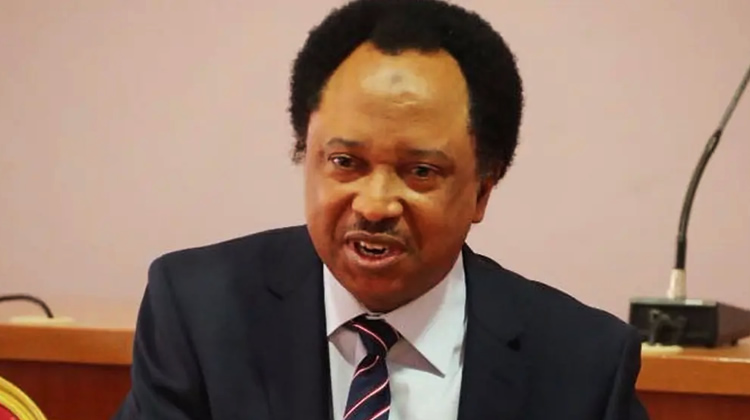
Aba Set to Host NOUN Study Centre as Governor Otti Vows Full Support

By Our Correspondent

The Abia State Government has officially commenced the process of establishing a Study Centre of the National Open University of Nigeria (NOUN) in Aba, the state’s major commercial hub.

Governor Dr. Alex Chioma Otti, OFR, has directed the Commissioner for Tertiary Education and the Managing Director of the Greater Aba Development Authority to immediately begin the search for a temporary site for the study centre. This interim measure will be in place pending the construction of a permanent, befitting centre in the area.

The Governor gave the directive following a formal request for policy direction from the Vice-Chancellor of NOUN, Prof. Uduma Oji Uduma, during a courtesy visit to the Governor’s country home in Umuehim, Nvosi, Isiala-Ngwa South Local Government Area.

Dr. Otti emphasized that Aba, given its strategic importance, cannot afford to lag behind in open and distance education.

“Aba being a major commercial hub in the state cannot afford the luxury of being behind without a centre of NOUN,” the Governor stated.

He further highlighted the evolution of open and distance learning through technology. “Open and distance learning over the years has transformed using technology. Applications like Google Meet and Zoom have facilitated meetings and the transfer of knowledge. In view of the role NOUN is playing in advancing education, it’s a no-brainer; Aba has to get a study centre.”

Governor Otti reassured the university of his administration’s commitment to educational development.

“As a responsible government, the state is committed to educational development through the hiring, training, and retraining of teachers. We will provide all the support you need for the actualisation of a centre in Aba,” he said.

In addition, the Governor directed the Commissioner for Tertiary Education, Prof. Uche Uche, to assess the Umuahia Study Centre of the university and determine how the government can assist in improving its facilities to create a better learning environment.

Earlier in his remarks, the Vice-Chancellor, Prof. Uduma Oji Uduma, explained that NOUN prides itself not only on open and distance learning but also on access and inclusiveness in all its activities.

“The study centres are instruments of access, and Aba being one of the largest cities in the country cannot be denied such access to education,” Prof. Uduma said.

He noted that NOUN, as an institution that reflects the federal character, is willing to partner with any government or institution in creating access to education that allows people to express themselves freely.

The Vice-Chancellor underscored the growing global importance of Open and Distance Learning (ODL), noting that it has prompted other universities in the country to operate a dual mode of education delivery.

He thanked the Governor for his hospitality and for agreeing to host him and the university management despite the demanding schedule of his office.

BREAKING: Shehu Sani Picks APC Nomination Forms for Kaduna Central

Former lawmaker representing Kaduna Central, Shehu Sani, has officially picked up the Expression of Interest and Nomination forms of the All Progressives Congress (APC) to contest for the Kaduna Central Senatorial District seat.

The development signals his formal entry into the race ahead of the forthcoming electoral cycle, as political activities continue to gather momentum within the ruling party.

Sani, a rights activist-turned-politician, previously represented Kaduna Central in the Senate and remains a prominent voice in Nigeria’s political landscape. His decision to secure the APC forms is expected to shape the dynamics of the contest in the district, given his grassroots appeal and political experience.

Party stakeholders and observers say the move could trigger heightened competition among aspirants jostling for the APC ticket in Kaduna Central.

Hon. Abubakar Umar Abdullahi Declares Intention to Contest for FCT Senate Seat

FCT-Abuja — Hon. Abubakar Umar Abdullahi has formally accepted the call to contest for the Federal Capital Territory (FCT) Senate seat at the National Assembly.

The decision, announced in a statement released today, follows what his campaign describes as a series of consultations and passionate appeals from stakeholders, youth, women, and residents across the territory.

Hon. Abdullahi expressed deep gratitude to his supporters, stating, “I sincerely appreciate each and every one of you for your trust, confidence, and belief in my leadership.”

He framed his candidacy within a context of divine guidance, saying, “Leadership comes from Almighty Allah, and He grants it to whom He wills. We pray that He makes us the best choice and grants us victory. Ameen.”

The statement concluded with a call for unity: “Together, we can make the FCT greater.”

Hon. Abdullahi has pledged to represent the interests, aspirations, and future of all FCT residents with dedication and integrity if elected.

Further details about his campaign platform and timelines are expected in the coming weeks.

SHOCKING TURNAROUND: How Military Pensions Board Chairman Silenced Critics with Historic Reforms

By Adah Sharma 

The Arewa Youth Assembly for Good Leadership (AYAGL), alongside the Forum for Youth Development Unity & Peace Initiative and 11 other civil society organisations, has lauded the Chairman of the Military Pensions Board, Air Vice Marshal Mikail Abdulraheem, for what it described as impactful reforms and disciplined leadership in the administration of military pensions.

In a statement issued on Wednesday and made available to journalists, the coalition said the Board under Abdulraheem has distinguished itself as a model of transparency, efficiency, and accountability—particularly in ensuring the timely and consistent payment of entitlements to retired military personnel.

President of AYAGL, Ambassador Abdul Danbature, who signed the statement on behalf of the coalition, noted that the current administration of the Board represents a clear shift from years of delays and administrative setbacks that had long plagued pension management in the military.

“The timely and consistent payment of retired military personnel under his leadership is not just commendable—it is exemplary and transformative,” Danbature stated.

He observed that pension administration within the military had historically been burdened by inefficiencies, but stressed that recent reforms have significantly improved service delivery, restoring confidence among retirees.

According to the coalition, notable strides recorded by the Board include improved operational efficiency, elimination of bureaucratic bottlenecks, and the adoption of a people-oriented approach that places priority on accountability and the welfare of pensioners.

“This remarkable turnaround reflects a clear vision for institutional reform and a commitment to service. This is leadership that delivers and reform that works,” the statement added.

The group also commended President Bola Ahmed Tinubu for appointing Abdulraheem to lead the Board, describing the decision as both strategic and productive. It noted that the results achieved so far demonstrate a broader commitment by the administration to strengthening governance structures and enhancing public sector performance.

While urging the Military Pensions Board to sustain and consolidate the gains made, the coalition called on other government agencies to emulate the Board’s standards of efficiency and service delivery.

AYAGL further reaffirmed its commitment to advancing good governance, transparency, and responsible leadership across Nigeria, emphasizing that effective leadership remains critical to national development.

“When leadership works with integrity, the people benefit. Today, we celebrate such leadership,” the statement concluded.

ENDS

Tinubu’s Solar Push: FG Flags Off 2MW Mini-Grid, Commissions 200 Street Lights at ADUSTECH, Kano

Full Story:

In a major step to expand renewable energy across Nigerian tertiary institutions, the Federal Government has flagged off a 2-megawatt solar mini-grid project and commissioned 200 solar-powered streetlights at the Aliko Dangote University of Science and Technology (ADUSTECH), Wudil, Kano State.

The intervention, implemented under the Energy Commission of Nigeria’s (ECN) renewable energy and sustainable power programme, aims to improve electricity supply on campus, enhance security via solar lighting, and boost research in clean energy technologies.

Speaking at the event, Nigeria’s Minister of Innovation, Science and Technology, Dr. Kingsley Tochukwu Udeh, praised ECN’s technical leadership, stating:

“The Energy Commission of Nigeria has done exemplary technical work to bring us to this point, following rigorous energy audits, demand assessments, and validated system specifications.”

He gave the contractor a firm three-month deadline, warning: “The contractor has a clear, firm mandate: to deliver within three months, to specification, with no tolerance for variation, and my ministry will hold them to that mandate.”

The event also saw the renaming of the Engineering Faculty Complex as the Dr. Abdullahi Mustapha Complex, in honour of the ECN Director-General’s contributions to national energy development and institutional collaboration.

The Vice-Chancellor, Professor Musa Tukur Yakasai, further honoured Dr. Mustapha with an Outstanding Award, noting that the recognition reflects his exceptional achievements and enduring impact in Nigeria’s energy sector.

Dr. Mustapha, a 2009 engineering graduate of ADUSTECH, described the moment as symbolic—a full-circle journey from student to national energy leader.

He reaffirmed ECN’s commitment to Nigeria’s energy transition through practical, impact-driven projects, adding:

· The 2MW solar mini-grid is a scalable model for decentralised energy solutions.
· The 200 solar-powered streetlights will significantly improve safety and extend academic and social activities on campus.

The ceremony was attended by the Emir of Gaya, Alhaji Aliyu Abdulkadir; the Vice-Chancellor, Professor Musa Tukur Yakasai; and the Director-General of SHESTCO, Dr. Magaji Da’u Aliyu.

Dr. Mustapha expressed sincere appreciation to President Bola Ahmed Tinubu for the laudable initiative, stating it continues to drive sustainable energy development and expand access to clean power across Nigeria.

 Kyari’s Legacy of Reform, Transparency and Human Face At NNPCL, Says Arewa Youth Assembly

By Baba Elegbe

The Arewa Youth Assembly for Good Leadership (AYAGL) has praised the former Group Chief Executive Officer of the Nigerian National Petroleum Company Limited, (NNPCL) Mele Kolo Kyari, describing his tenure as a defining period marked by reforms, transparency and humanitarian impact.

In a press statement issued and signed by its President, Ambassador Abdul Danbature, the group said Kyari’s leadership from 2019 to 2025 repositioned the national oil company and restored public confidence in the petroleum sector.

AYAGL noted that Kyari introduced the Transparency, Accountability and Performance (TAPE) agenda, which it said transformed operational standards within NNPCL. It highlighted the consistent publication of audited financial statements as a major shift from decades of opacity in the sector.

The group also credited him with driving the commercialization of NNPCL in line with the Petroleum Industry Act, alongside improvements in operational efficiency through digitisation and stronger governance structures.

On fuel pricing, AYAGL said Kyari demonstrated strategic leadership during Nigeria’s transition to deregulation. It noted that his approach helped maintain relative stability in fuel supply and pricing despite global market volatility, including during the COVID-19 pandemic.

The statement further acknowledged investments in critical infrastructure under his leadership, including the rehabilitation of refineries in Port Harcourt, Warri and Kaduna, as well as progress on the Ajaokuta–Kaduna–Kano Gas Pipeline Project. It added that enhanced pipeline surveillance contributed to efforts to curb crude oil theft.

AYAGL said Kyari’s “Decade of Gas” initiative laid a foundation for cleaner energy development and industrial growth, while also strengthening Nigeria’s position in global energy diplomacy.

Beyond policy and infrastructure, the group emphasised Kyari’s humanitarian contributions. It cited NNPCL’s expanded healthcare interventions, educational support programmes, and community development projects, including water supply, school rehabilitation and rural electrification.

It also noted his support for internally displaced persons in the North-East and his commitment to youth empowerment and mentorship within the oil and gas industry.

“Many of his personal philanthropic efforts were carried out quietly, reflecting humility and a genuine desire to impact lives,” the statement said.

AYAGL further commended Kyari for ensuring energy supply stability during election periods and maintaining institutional neutrality, which it said contributed to national stability and democratic continuity.

The group concluded that Kyari’s tenure represents “a legacy of reform, resilience and compassion,” urging future leaders to emulate his commitment to integrity, service and inclusive development.

ENDS

How a Banquet Hall United Kaduna State

On April 22, dignitaries from across Nigeria’s political, traditional, and socio-economic spectrum converged on Kaduna for an event that was as symbolic as it was historic the commissioning of the state’s newly constructed Banquet Hall.

For the first time since Kaduna State’s creation in 1967, former governors including Ahmed Mohammed Makarfi, Namadi Sambo, and Mukhtar Ramalan Yero,gathered under one roof alongside an array of political leaders, traditional rulers, and stakeholders. The moment was more than ceremonial; it was deeply symbolic of reconciliation and unity.

At the heart of this convergence is a vision championed by Governor Uba Sani to create a space deliberately designed to foster dialogue, partnerships, and investment.

Beyond Steel and Glass
By all appearances, the Banquet Hall is an architectural statement,an imposing structure of steel and glass built with ambition. Yet beyond its physical presence, it represents something far more profound: a renewed civic identity for a state long shaped by diversity and complexity.

The facility, inaugurated by Vice President Kashim Shettima at Sir Kashim Ibrahim House, was not merely unveiled as another public building. It was introduced as a strategic instrument for governance,one designed to bring people together under a shared roof.

Named after Abba Kyari, the state-of-the-art hall boasts a seating capacity of about 1,300 and spans approximately 2.7 hectares. It fills a long-standing infrastructural gap in Kaduna, providing a venue capable of hosting high-level engagements,from diplomatic meetings to cultural exhibitions and investment summits.

A Space for Dialogue in a Complex State
Kaduna has historically held a central role in Nigeria’s political and socio-economic landscape. However, like many states in northern Nigeria, it has also faced challenges, ethno-religious tensions, security concerns, and political divisions.

Against this backdrop, the Banquet Hall emerges as more than a venue; it is a deliberate attempt to create a shared civic space.

Governor Sani emphasized during the commissioning that the project is not just about infrastructure, but about strengthening governance and encouraging meaningful engagement.

“This is a strategic investment in institutional capacity,” he said, underscoring its role in fostering policy dialogue and partnerships.

By hosting events such as the Nigerian Institute of Public Relations Week, intergovernmental forums, and stakeholder engagements, the hall provides a neutral ground where individuals from diverse backgrounds can interact constructively.
Repositioning Kaduna on the Global Stage
Central to Governor Sani’s broader vision is repositioning Kaduna as a hub for national and international engagement. The Banquet Hall is a cornerstone of that ambition.

Designed to meet global standards, the facility is expected to attract conferences, diplomatic missions, and investors,activities that can stimulate economic growth while reshaping perceptions about the state.

Vice President Shettima described the project as a reflection of “purposeful leadership,” noting its potential to strengthen institutions and deepen national cohesion.

Unity Through Shared Experience
Unity is rarely achieved through rhetoric alone,it is built through shared experiences. The Banquet Hall provides precisely that opportunity.

Each event hosted within its walls, whether a policy dialogue, cultural showcase, or regional summit,adds to a growing narrative: that Kaduna is not merely defined by its challenges, but by its capacity to serve as a meeting point of ideas and opportunities.

Stakeholders present at the commissioning described the project as a “magnificent achievement” and a “strategic investment in governance,” highlighting its potential to redefine public engagement in the state.

A Political Statement in Concrete Form
Infrastructure often carries political meaning, and this project is no exception. For Governor Sani, the Banquet Hall signals a shift toward inclusive governance, one rooted in openness, communication, and institutional strength.
It also reflects a deliberate effort to rebuild trust. By investing in a space designed for interaction and accessibility, the administration is making a clear statement: governance must be participatory and visible.

The Road Ahead
While a single structure cannot resolve all of Kaduna’s challenges, it can set a tone. The true measure of the Banquet Hall’s impact will lie in how it is utilized, how often it hosts meaningful dialogue, how inclusive those conversations are, and how effectively they translate into tangible outcomes for citizens.

If fully leveraged, the facility could become a cornerstone of Kaduna’s transformation, a place where differences are negotiated, partnerships are forged, and unity is actively practiced.

In a region often defined by its divisions, the Kaduna Banquet Hall offers a different narrative, one of convergence, possibility, and shared purpose.
Sometimes, unity begins with something as simple and as powerful as bringing people together in the same room.

By Uba Sani Continuity Project

Peter Obi Warned by NDI-ABAT Over 2023 Election Claims, Group Cautions Against 2027 Political Tension

By Grace Buba

A group, NdIgbo for Tinubu 2027 Forum (NDI-ABAT), has cautioned former Anambra State governor, Mr. Peter Obi, over his continued assertion that he won the 2023 presidential election, warning that such remarks could heighten political tensions ahead of the 2027 general elections.

In a statement issued on Tuesday and jointly signed by its National Coordinator, Mazi Okechukwu Isiguzoro, and Secretary General, Dr. Ugwuoke Ugwuoke the group described Mr. Obi’s repeated claims as misleading, saying they risk deepening political divisions if not properly checked.

NDI-ABAT warned that inflammatory political narratives, particularly in a pre-election period, could destabilise the polity, urging political actors to exercise restraint and responsibility in their public engagements.

“The persistent assertion of victory in the 2023 presidential election, despite the declared outcome, risks fuelling unnecessary political tension and public distrust in the democratic process. If not managed responsibly, such narratives may become a source of avoidable unrest in the build-up to 2027″.

The group also urged Mr. Obi to be mindful of the influence of his statements on his supporters, stressing the need for caution in political communication to preserve national stability.

The group further referenced his tenure as governor of Anambra State, alleging shortcomings in governance, including the non-conduct of local government elections during his administration and what it described as limited visible infrastructural development in key sectors.

NDI-ABAT expressed concern that continued disputes over the 2023 election outcome could overshadow national development discussions if political actors fail to moderate their rhetoric.

Looking ahead to the 2027 general elections, the forum reiterated its support for President Bola Ahmed Tinubu, while calling for peaceful political engagement and strict adherence to democratic principles.

The forum urged politicians to avoid statements capable of escalating tensions, insisting that national unity and stability must remain a priority.

Dr. Mustapha Abdullahi: A Driving Force in the Renewed Hope Ambassadors Team

In Nigeria’s dynamic political landscape, technocrats who can bridge governance and grassroots mobilization are increasingly valuable.

Dr. Mustapha Abdullahi, Director-General of the Energy Commission of Nigeria (ECN), has emerged as one of such figures—leveraging his administrative influence and policy visibility to support the political momentum behind Bola Ahmed Tinubu and the broader Renewed Hope agenda.

While Dr. Abdullahi’s primary mandate lies within the energy sector, his role has evolved beyond technical administration into strategic political engagement.

⁰As a member of the Renewed Hope Ambassadors Team, he contributes to shaping narratives around governance performance, particularly in areas tied to energy reform and infrastructure development—key pillars of President Tinubu’s administration.

His ability to communicate policy outcomes in relatable terms has positioned him as an effective advocate for continuity in leadership.

A central element of his political relevance is the alignment between energy sector progress and electoral confidence. Under his stewardship, initiatives tied to renewable energy expansion, rural electrification, and energy policy coordination have become part of the administration’s broader performance story.

These efforts, whether directly political or not, serve as tangible indicators that can influence public perception ahead of future elections.

Dr. Abdullahi’s approach reflects a calculated understanding of Nigeria’s political environment, where development outcomes often shape voter sentiment.

By highlighting improvements in energy access and sustainability, he indirectly strengthens the case for a second term for President Tinubu. His engagements—ranging from policy forums to stakeholder meetings—often reinforce the narrative that continuity is essential for consolidating ongoing reforms.

Within the Renewed Hope Ambassadors Team, his role extends to mobilization among professional and policy-oriented audiences. Unlike traditional political actors, Dr. Abdullahi brings a technocratic voice that appeals to intellectuals, industry stakeholders, and young professionals.

This expands the administration’s support base beyond conventional political structures, adding credibility to its reform agenda.

Moreover, his visibility in national discourse contributes to shaping elite opinion—an often overlooked but critical component of electoral success. By maintaining a consistent message around progress, innovation, and long-term planning, Dr. Abdullahi helps anchor the administration’s image as forward-looking and results-driven. This is particularly important in a political climate where public trust must be continuously earned.

Dr. Mustapha Abdullahi stands out as more than a policy administrator; he is a strategic contributor to the political ecosystem surrounding Bola Ahmed Tinubu. Through his role in the Renewed Hope Ambassadors Team, he helps translate governance achievements into political capital, reinforcing the case for continuity and a potential second term.

His influence underscores the growing importance of technocrats in shaping not just policy, but also the narratives that drive electoral success in Nigeria.

Dr. Mustapha Abdullahi contributes to youth and sports development through mentorship, talent identification, and infrastructure development.

He supports grassroots sports, advocates for youth sports policies, and promotes physical activity for health.

His work emphasizes gender inclusivity, community engagement, and collaboration with government and private sectors.

All these has endeared him to the youths and makes convincing the youths to embrace the policies and re-election of President Ahmed Tinubu easy for him, as he has already set the pace for a beautiful relationship with the youths.

Group Alleges Ex-Speaker Zailani Is Working Against APC in Kaduna State

…He lost his ward and local Government to PDP in 2023 Elections.

Fresh political tensions are emerging within the All Progressives Congress (APC) in Kaduna State following allegations that a former Speaker of the State House of Assembly, Yusuf Ibrahim Zailani, is working against the party’s interests ahead of the 2027 general elections.

The claims were made by the Kaduna Progressives Forum (KPF) in a statement signed by its Coordinator, Malam Bala Ibrahim Igabi, who expressed concern over what the group described as Zailani’s “desperate bid” for the Kaduna Central Senatorial seat.

According to the statement, the former Speaker’s political influence has declined significantly, with the group alleging that he failed to deliver his ward and local government area to the APC during the 2023 general elections. The forum argued that this development reflects weakening grassroots support in his political base.

“In several constituencies across Kaduna State, the opposition Peoples Democratic Party (PDP) made notable gains, pointing to an increasingly competitive political environment,” the statement noted.

The group also accused Zailani of engaging in actions perceived as detrimental to the unity and electoral strength of the APC in parts of the state. The accusations come amid lingering grievances within the party following the outcome of the 2023 polls.

The 2023 governorship election in Kaduna highlighted the intensity of the contest between the APC and the PDP, with the APC candidate securing victory by a narrow margin of less than one percentage point an outcome widely seen as evidence of a fragile political balance in the state.

Although Zailani won his seat in the State House of Assembly election, concerns persist among party members over internal divisions and the ability of key political figures to effectively mobilise support at the grassroots level.

The KPF further alleged that Zailani recorded minimal achievements during his over two decades in public office and accused him of failing to actively participate in, or support, the party during the Chikun/Kajuru by-election.

Some APC members warned that unresolved internal disputes and alleged anti-party activities could undermine the party’s chances in the 2027 elections.

They called on the party leadership in Kaduna State to investigate the allegations and enforce discipline where necessary to maintain cohesion and strengthen its electoral prospects.