THE MIDDLE BELT QUESTION: HISTORY, POWER, AND THE CURRENT REALITY

By: Dr. Pogu Bitrus

It has become imperative to respond decisively to a mischievous and intellectually dishonest article circulating under the headline “The Manufactured Middle Belt: The Untold History, Foreign Backing and the Agenda to Fracture Northern Nigeria,” authored under the pseudonym Safyan Umar Yahaya. Far from being a work of history and of social concern, the piece is an alarmist pamphlet—animated by fear and bigotry not facts, all aimed at delegitimizing the rising social and political consciousness of the Middle Belt.

The anxiety beneath the essay is unmistakable. For over a century, certain ruling blocs have exploited the Middle Belt economically, subordinated it politically, and tried to diminish it culturally. Today, as the people of the region reclaims its history,  pride and asserts its unity, anger and blackmail is the response of the losers.

The central claim—that the Middle Belt is a recent political fabrication without historical roots—is not merely false; it is a deliberate distortion built on colonial convenience and selective amnesia.

WHAT THE MIDDLE BELT ACTUALLY IS

The Middle Belt refers to the vast geographical and cultural zone inhabited by indigenous ethnic nationalities of the former Northern Region—now spanning 19 Northern states and the Federal Capital Territory—who were never conquered or where never largely ruled by the Sokoto Caliphate or the Kanem-Borno Empire prior to British colonisation.

Put plainly: the Middle Belt consists of the autochthonous peoples of Northern Nigeria who are neither Hausa, Fulani, nor Kanuri, and who historically existed outside the authority of Islamic caliphates, notwithstanding some pockets of Emirate enclaves among it. This is not opinion; it is an established historical fact.

Long before colonial rule, the Middle Belt was home to sovereign empires, kingdoms, chiefdoms, and complex stateless societies whose political systems predated the 19th-century jihads by centuries. Among the most prominent was the Kwararafa Confederacy, centred in the Gongola – Benue Valley. Between the 18th and 19th centuries, Kwararafa repeatedly defeated and humiliated Hausa city-states such as Kano and Zaria and even challenged Kanem-Borno—long before Usman dan Fodio’s jihad of 1804.

Other well-documented polities include the Igala Kingdom, Jukun states, Nupe Kingdom, and countless Tiv, Idoma, Gbagyi, Birom, Angas, Lelna, Bwatye, Eggon, and Goemai societies among hundreds of others — each with distinct political traditions, land tenure systems, and military histories. They had a common solidarity hinged on wading off Islamisation and genocidal slave raids.

COLONIAL CONQUEST AND FORCED SUBORDINATION

The author inadvertently exposes his argument’s weakness when he ignores a crucial colonial reality: the British conquered the Muslim emirates with relative ease, largely by co-opting existing centralized hierarchies. In contrast, Middle Belt societies resisted British conquest fiercely.

British colonial records—by administrators such as Frederick Lugard and C.L. Temple—document prolonged military campaigns, punitive expeditions, and scorched-earth tactics used against Middle Belt communities from the early 1900s to the 1920s. This resistance is precisely why the British imposed Indirect Rule by force, subordinating Middle Belt peoples to Fulani and Kanuri emirs  they had never known, accepted, or recognized.

That imposition,nnot foreign conspiracy, is the historical root of Middle Belt political consciousness.

THE COLONIAL FALLACY OF “NON-EXISTENCE”

The article’s reliance on colonial maps and constitutions to argue that the Middle Belt did not exist before the 1940s is intellectually indefensible. Colonial documents recognized what served imperial administration, not indigenous reality. By that logic, countless African nations and identities would vanish simply because Europeans failed—or refused—to acknowledge them.

Even then, the claim is factually weak. The term “Middle Belt” appears descriptively in colonial correspondence as early as the first decade of the 20th century, used by administrators and missionaries to describe the non-emirate central zone of Northern Nigeria. The British deliberately refused to create a Middle Belt Region, not because it lacked coherence, but because doing so would weaken the numerical and political dominance of the Hausa-Fulani-Kanuri oligarchy that sustained Indirect Rule.

The agitation for recognition therefore predates independence; it merely became organized in the 1950s.

THE UMBC AND THE MYTH OF FOREIGN MANIPULATION

The United Middle Belt Congress (UMBC) under Joseph Sarwuan Tarka did not invent the Middle Belt identity. It articulated long-standing grievances: land dispossession, political exclusion, cultural suppression, force labour,  and religious discrimination.

To dismiss the UMBC as a tool of missionaries or foreign interests is not only false but insulting. Middle Belt people and leaders were among the most educated and politically sophisticated Nigerians of their generation, many trained in Britain and elite Nigerian institutions well before independence. They required no NGO or missionary to understand injustice they lived daily.

The historical record—petitions against Native Authority abuses, resistance to emirate taxation, land struggles, and demands for self-rule—is open to anyone willing to read honestly.

THE CONTEMPORARY MOMENT

Today’s Middle Belt movement is neither separatist nor violent. It is a demand for recognition, equity, and freedom from an imposed Arewa identity that neither reflects its history nor aligns with its values. The Middle Belt does not deny the existence of Northern Nigeria; it rejects the falsehood that Northern Nigeria is synonymous with the Middle Belt.

What has long been marketed as “Northern unity” has, in truth, been a forced political marriage, sustained by coercion rather than consent.

Increasingly, the Middle Belt is stating what history has always known: this union was never voluntary!

If language must be blunt, then so be it—this relationship has often resembled political rape, and the survivors have finally found their voice.

2027 AND THE PANIC OF DECLINING HEGEMONY

The fear driving this revisionist essay is understandable. The once-boasted “monolithic Northern voting bloc” is fracturing. Demographics, political awareness, and historical truth are converging.

For the first time, Nigeria’s political establishment is confronting an uncomfortable reality: the Middle Belt is the decisive factor in national politics.

THE MIDDLE BELT, RELIGION, AND THE COLLAPSE OF OLD MYTHS

A recurring propaganda tactic is to label the Middle Belt a “Bible Belt,” as though its political awakening is a sectarian religious project. This claim is demonstrably false. The Middle Belt has always been religiously plural, home to Christians, Muslims, and adherents of African traditional religions for centuries. Even institutionally, the Middle Belt Forum (MBF) disproves this caricature: its Board of Trustees and National Working Committee include Muslims, reflecting the region’s inclusive ethos. While it is true that the Middle Belt today is predominantly Christian—largely due to historical resistance to jihadist conquest and the voluntary embrace of Christianity—majority faith does not translate into religious extremism. The Middle Belt struggle is not about imposing religion; it is about ending political subjugation, cultural erasure, and systemic inequality. Reducing this legitimate quest to sectarianism is not analysis but propaganda.

Demise of the Hausa/Fulani Amalgam.

Equally misleading is the continued use of the term “Hausa-Fulani” as though it remains a coherent political or cultural bloc. Increasingly, Hausa intellectuals and opinion leaders reject this forced amalgam, insisting that there is Hausa land and there is the Middle Belt, but no natural or “Arewa” identity. The very terms “Northern Nigeria” and “Arewa” now irritate many enlightened Hausa voices who recognize them as tools historically used to sustain Fulani political dominance and economic exploitation. Recent events have further exposed this fracture: widespread violence by Fulani bandits against Hausa rural communities has shattered the illusion of a shared destiny. For decades, the Hausa masses were mobilized as demographic instruments against Middle Belt minorities; today, they are confronting the reality that they too have borne the costs of an unjust hierarchy. What is unfolding is not a Middle Belt conspiracy, but the collapse of an artificial political fiction. History, not agitation, has caught up with it.

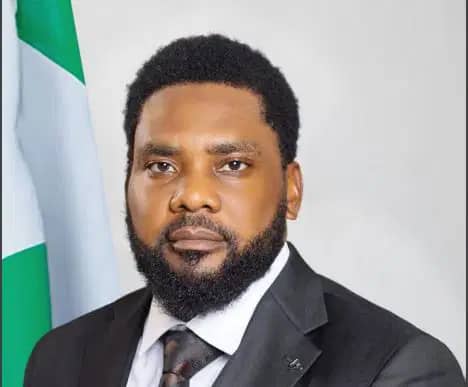
Dr: Pogu Bitrus is the President of the Middle Belt Forum (MBF) and hails from Chibok, Southern Borno.
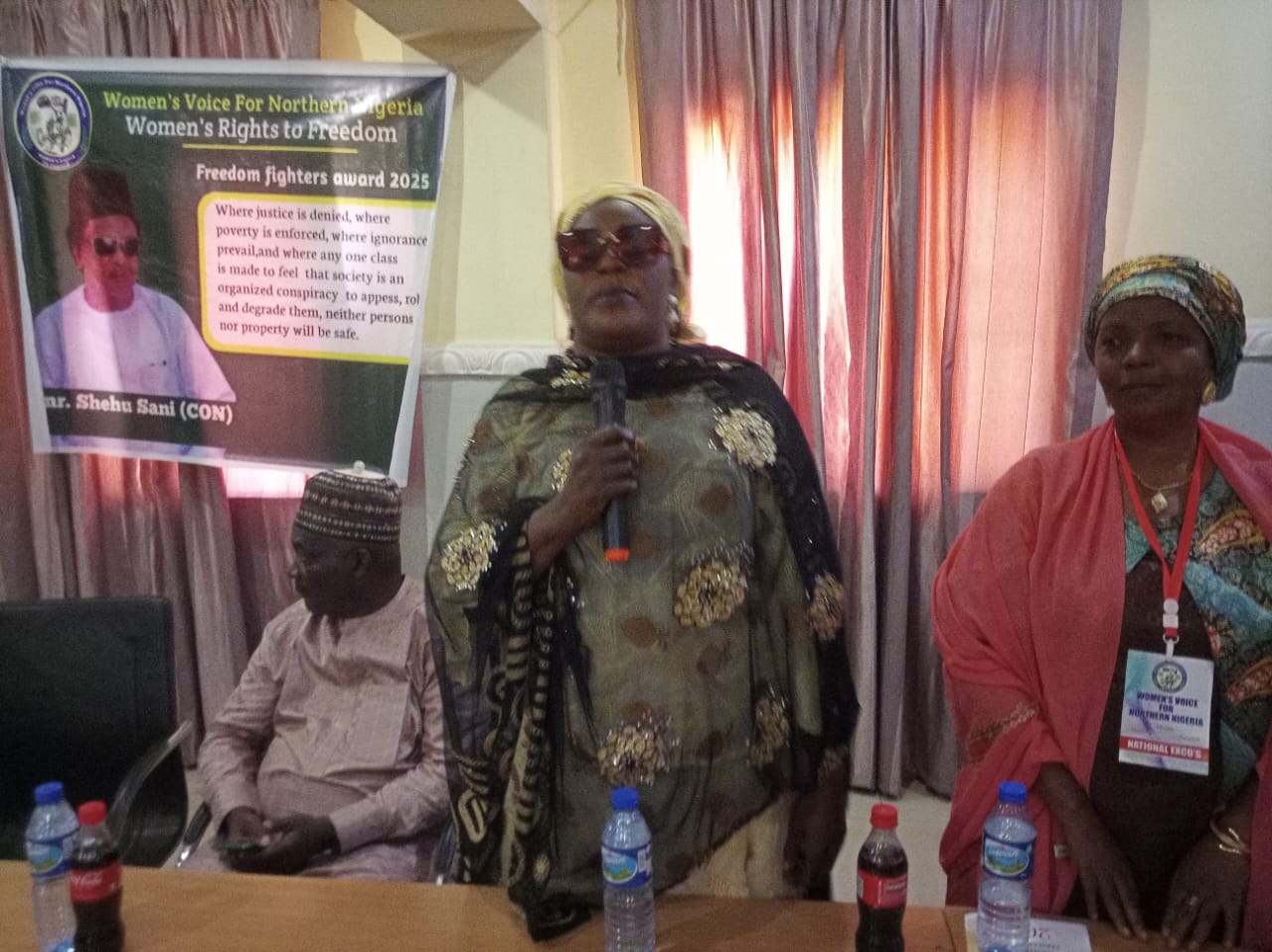
Northern Women Honour Shehu Sani with Freedom Fighter Award

Women from 19 northern states, under the aegis of Women’s Voices for Northern Nigeria, have honoured former lawmaker, Senator Shehu Sani, with their maiden Freedom Fighter Award, recognising him as the Best Freedom Fighter for 2025.

Presenting the award at a ceremony in Kaduna, the National President of the group, Comrade Jamila Malumfashi, said Senator Sani was selected for his unwavering stance, consistency and vocal defence of the poor, the downtrodden and vulnerable groups in society.

According to her, the former senator has over the years demonstrated uncommon courage in standing up for the masses, particularly women, through advocacy and public engagement.

“Senator Shehu Sani has consistently used his voice to defend the poor, the oppressed and women. His commitment to social justice and equity informed our decision to honour him as the first recipient of this award,” Malumfashi said.

She explained that Women’s Voices for Northern Nigeria operates across 19 states in the region and focuses on empowering women, especially widows, orphans and unemployed women who are largely dependents.

In his remarks, Senator Shehu Sani expressed appreciation to the group for organising the event in Kaduna and for finding him worthy of the honour.
He commended the organisation’s activities, particularly its skill acquisition and empowerment programmes aimed at improving the economic status of women in the North.

“I am encouraged by your commitment to empowering women through skills and self-reliance. This is the right path to sustainable development,” he said.
The former lawmaker pledged his personal support to help the group grow and to facilitate access to support from relevant agencies.

However, he advised the organisation to place greater emphasis on empowerment initiatives rather than partisan politics.

The event attracted women leaders and stakeholders from across the northern region, who described the award as a recognition of long-standing advocacy for social justice and inclusive governance.

House of Justice Urges Governments to Label Mass Atrocities as Terrorism or Genocide

Mishack Musa

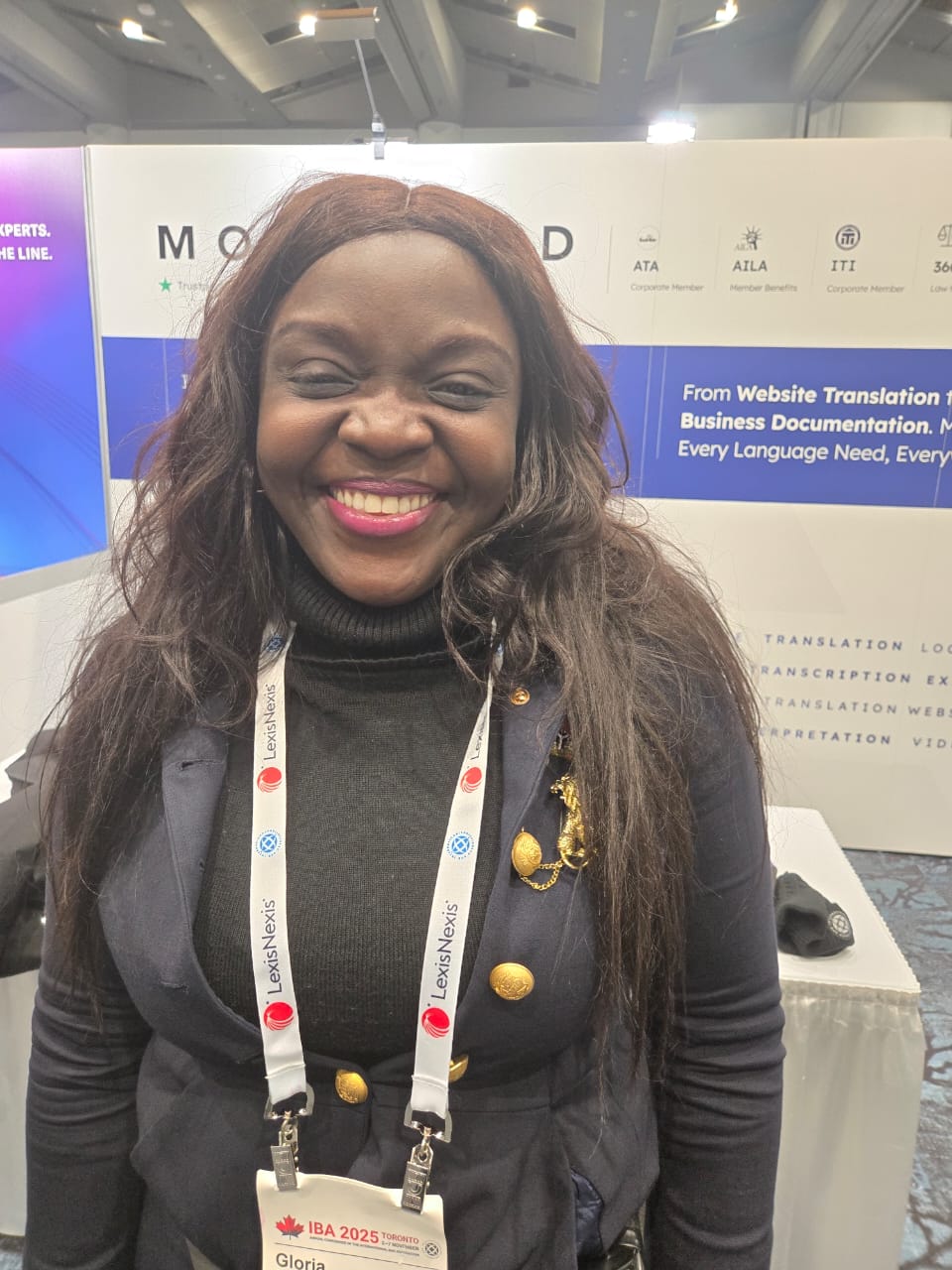
The House of Justice has issued a global call for governments to accurately define large-scale violent crimes as terrorism or genocide where applicable. It warned that failing to properly name such atrocities undermines accountability and empowers perpetrators.

The appeal was delivered by the Founder and CEO of the House of Justice, Barrister Gloria Mabeiam Ballason, during her address at the 2025 International Bar Association (IBA) Conference in Toronto, Canada.

Drawing parallels between ongoing violence in Nigeria and the Sahel region, Ballason cited French revolutionary Maximilien de Robespierre’s observation that while individual murder is prosecuted, mass killings often lead to negotiations instead of justice. She expressed dismay that terrorism and war crimes persist in the 21st century despite available legal tools for prevention and accountability.

Speaking at a session attended by prominent legal figures such as Nigeria’s Dr. Babatunde Ajibade, SAN, Ballason stated that the primary goal must be to prevent war and terrorism altogether. She emphasized that post-conflict justice cannot undo the irreversible harm inflicted on lives, communities, and national resources.

Ballason elaborated on “psychic numbing”—a phenomenon where state accountability weakens as atrocities escalate, especially when crimes cross political lines or fall outside standard legal categories. This imbalance, she argued, allows large-scale crimes to go unpunished and leaves victims without redress.

The House of Justice aims to mobilize the public to overcome fear, confront despotism, and demand criminal sanctions against officials responsible for mass casualties, whether by direct action or negligence. Ballason stressed that public outrage over injustice must be channeled into sustained pressure for accountability.

She clarified that governments have a duty to correctly characterize conflicts. Violence intended to intimidate populations or governments for political, religious, or ideological ends should be termed terrorism, not mislabeled as communal or farmer-herder clashes. Similarly, situations meeting the legal criteria for genocide must be identified as such, avoiding any tendency to minimize or “sugar-coat” grave crimes.

Since 2014, Ballason noted, the House of Justice has pursued accountability for terrorism and mass atrocities through litigation, advocacy, and petitions aimed at barring alleged enablers and sponsors of terrorism from public office. She referenced actions taken against high-ranking officials accused of human rights abuses, negligence, and governance failures during periods of intense violence, noting these efforts operate within legal and advocacy frameworks.

The organization also renewed its call for international collaboration to tackle the root causes of terrorism, disrupt its financing, improve actionable intelligence, and foster multi-sectoral cooperation. It urged states to prioritize justice, rehabilitation, and resettlement for victims, while ensuring accountability for all involved in the “ecosystem of violence”—including financiers, instigators, collaborators, and perpetrators.

Ballason concluded that the mission of the House of Justice extends beyond legal processes, aiming ultimately to uphold the rule of law as the foundation for just societies and a safer world.

HEKAN President Urges Govt to Act on Insecurity, Says Unity Key to National Survival

James mbaitoli

President of The United Church of Christ in Nigeria (HEKAN), Rev. (Dr.) Amos G. Kiri, has urged the Federal and State Governments to take decisive action against rising insecurity, warning that continued violence and economic hardship are eroding public confidence in governance.

Rev. Kiri made the call in his 2026 New Year message delivered during the church’s service, where he linked national unity to Nigeria’s ability to overcome insurgency, kidnappings and widespread criminality.

He noted ethnic, tribal and regional divisions have further weakened the country’s security architecture and social cohesion.

“A nation divided against itself cannot defeat insecurity. Unity is central to national survival,” he said.

The cleric expressed concern over persistent insurgency, banditry and kidnappings across several states, describing the situation as a major threat to lives, livelihoods and national stability.

Rev. Kiri also warned that the growing trauma caused by insecurity is creating long-term social damage, stressing the need for coordinated responses beyond military action.

He sympathised with families affected by violence and abductions, urging security agencies to intensify intelligence-driven operations while calling on communities to remain vigilant.

On the economy, he said the rising cost of living and food inflation have worsened citizens’ vulnerability, noting that insecurity and hunger remain closely linked.

According to him, government slogans must translate into practical action that improves safety and economic conditions for ordinary Nigerians.

“Hope must be seen in action. Nigerians want secure communities, affordable food and the freedom to move without fear,” he said.

Addressing political participation, Rev. Kiri urged Nigerians to engage peacefully in democratic processes, including voter registration and lawful civic activities, stressing that responsible citizenship is essential for accountable leadership.

He also called on political leaders to place national interest above personal or sectional considerations as the country approaches another electoral cycle.

On church matters with political implications, Rev. Kiri announced that his tenure as HEKAN president will end in December 2026, with leadership elections scheduled for October 2026, describing orderly transition as a model for democratic culture.

He said HEKAN’s 2026 theme, “We Are One in Christ,” reflects the Church’s commitment to promoting unity in a deeply polarised society.

Rev. Kiri further disclosed that HEKAN will mark its 60th Annual National Convention and 72 years of existence in 2026, noting that the church has remained active in peacebuilding and community resilience since its founding in 1954.

He acknowledged the role of international partners in supporting humanitarian and mission efforts in conflict-affected areas of Nigeria.

Rev. Kiri urged governments at all levels to prioritise security reforms, empower security agencies and protect vulnerable communities.

He expressed optimism that with unity, accountability and decisive leadership, Nigeria can overcome its security and governance challenges.

He wished Nigerians a peaceful New Year and prayed for national stability.

End

Former NNPC FC Kaduna Star Monday Auta Bedridden, Appeals for Lifesaving Aid

Mike Odeh James 

Kaduna 

.

A former Nigerian footballer who once proudly represented his club and earned an invitation to the national team is now fighting for his life, far from the cheering crowds and glory days of the pitch.

Monday Auta, a former player of NNPC Football Club Kaduna, is currently bedridden and battling a serious medical condition that has severely limited his mobility. For more than three months, the ex-footballer has been unable to afford the drugs, medical tests, and specialized care essential to stabilize his health.

Today, his story is not about trophies or victories—it is about survival.

A Once-Active Athlete, Now Confined

Monday Auta was once known for his strength, discipline, and commitment on the field. Teammates and fans recall a dedicated player who gave his all for the game.

Now, illness has taken a devastating toll. Medical sources confirm Auta can no longer move freely and has been confined to bed for months. His condition demands continuous medical attention, including laboratory tests, medications, and possible specialist intervention.

Yet, like many retired athletes in Nigeria, he lacks the financial means to sustain prolonged care.

Doctor Sounds the Alarm

The only consistent support Auta has received is from Dr. Jude Osemen, the medical practitioner overseeing his care. Speaking with deep concern, Dr. Osemen stated the situation has surpassed what he can manage alone.

“I have been trying my best to make sure that he survives, but he needs financial support. There are many tests he needs to undergo at this moment, and without them, it is difficult to move forward with proper treatment. We are trusting God that well-wishers will come to his aid.”

Dr. Osemen has personally contributed funds and resources but emphasizes that the cost of treatment continues to rise.

“I have contributed my own quota as a human being, but he still needs more money for further treatments.”

Three Months of Pain & Uncertainty

For over 90 days, Monday Auta has remained in this precarious state. During this time, he has received no structured institutional support—no assistance from football authorities, former clubs, or organized welfare schemes.

Beyond Dr. Osemen’s efforts, Auta has largely faced this struggle alone.

Friends note that his condition remains unstable due to the inability to conduct necessary tests and maintain regular medication. Each week without proper treatment increases the risk to his life.

Remembering His Career

Monday Auta’s football journey includes playing under late coach Paul Hamilton in 1986, a period when Nigerian football was building its international reputation.

He also earned an invitation to the Super Eagles, placing him among the nation’s respected talents of his era.

At NNPC FC Kaduna, Auta was regarded as a disciplined and hardworking player, contributing to the team’s competitiveness during his active years. Like many of his generation, he played in an era of modest wages and minimal post-retirement welfare protection.

A Broader Tragedy in Nigerian Sports

Auta’s plight reflects a painful reality for many retired Nigerian athletes. After years of service, they often face health challenges without insurance, pensions, or medical support.

When illness strikes, survival depends on personal savings, family, or public goodwill—options now exhausted for Auta.

A Call for Compassion & Action

Dr. Jude Osemen appeals to football lovers, former teammates, sports administrators, corporate organizations, and compassionate Nigerians to intervene urgently.

Contributions—large or small—can help cover:

· Medical tests

· Essential drugs

· Ongoing treatment and care

Those wishing to support can contact Dr. Jude Osemen, who is coordinating care and assistance.

—

Beyond One Man’s Struggle

This appeal is not only about saving a former footballer’s life. It is a stark reminder of the urgent need for structured welfare systems for retired athletes in Nigeria.

Final Appeal

Monday Auta once gave his strength and talent to the game. Today, he needs the support of the same society he once entertained and represented with pride.

Time is critical. Help is urgently needed.

For support or further information, please contact Dr. Jude Osemen directly.

Renewed Hope Agenda: Energy Commission DG Applauds President Tinubu’s Energy Reforms…

Urges Nigerians To Support Him

Dr Mustapha Abdullahi, the Director General of Energy Commission of Nigeria (ECN) has applauded President Bola Ahmed Tinubu’s well thought out initiatives in the renewed Hope Agenda.

This initiatives, he said has touched and impacted positively on Nigerians and the nation.

In his New Year message to Nigerians, Dr. Mustapha Abdullahi said, “President Bola Ahmed Tinubu’s visionary Renewed Hope Agenda aims to reposition Nigeria and restore its glory and bring it back to its enviable position as country of destination to both local and international investors and the investment community, is gradually becoming the driving point for Nigerians seeking a better country and society.

“And, for President Tinubu, his well thought out plans to ensure that all Nigerians get access to renewable energy; sustainable energy supply to their homes and offices, birthed the reawakening of the Energy Commission of Nigeria, ECN which had been pushed to a near comatose state.

“His ambitious and unshaken belief in his policies is spearheading the transformative reforms and innovative initiatives to advance the nation’s energy transition. These efforts aim to unlock new opportunities for economic growth, sustainable development, and improved energy access for all Nigerians.

“As Chairman of the ECN, President Tinubu remains deeply committed to driving the Energy Transition Plan; a core component of his Renewed Hope Agenda. His leadership emphasizes the critical role of clean energy and strategic reforms in building resilient energy sector.

“This commitment is a firm exposition to Nigeria’s ambition to become a global leader in sustainable energy solutions while fostering economic progress and environmental stewardship.

“And, for this enviable and laudable project to become complete, Nigerians need to ensure that President Bola Ahmed Tinubu enjoy their total support to see this actualized.

GOVERNOR AKY’S BALANCING ACT: POWER, LOYALTY AND THE POLITICS OF KANO’S FUTURE

By Barrister. Aminu Hussaini

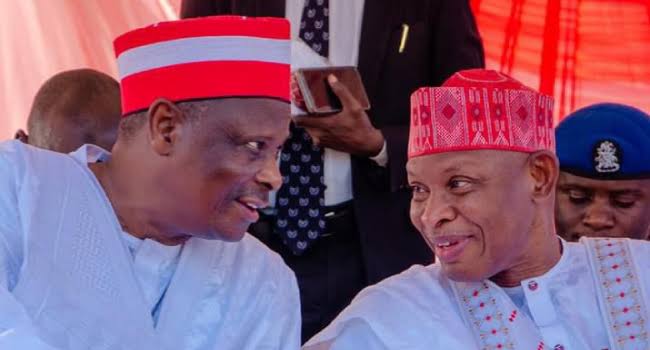
In a move that has redefined the contours of Kano politics, Governor Abba Kabir Yusuf (AKY) might have crossed over to the All Progressives Congress (APC) while deliberately retaining his place within the Kwankwasiyya movement led by his long-time political mentor, Senator Dr. Rabiu Musa Kwankwaso. To casual observers, the decision appears paradoxical. To seasoned students of Kano’s political history, it is a carefully calibrated strategy – bold, pragmatic and deeply rooted in the State’s unique political culture.

Kano politics has never been governed by rigid binaries. From the days of Mallam Aminu Kano to the era of Kwankwaso, political movements in the state have often outlived party labels, functioning more as identities than platforms. AKY’s decision fits squarely within this tradition. By moving to the APC, he aligns Kano State with the party controlling the federal government, a move that promises smoother access to national power, resources and influence. By remaining Kwankwasiyya, he reassures his grassroots base that his political soul has not been traded for convenience.
This is not defiance; it is deference of a higher order. Governor Yusuf has been careful to acknowledge Kwankwaso not merely as a former governor or party leader, but as a father figure and mentor whose political investment in him is both personal and historical. In Kano’s culture, mentors are not discarded lightly. They are respected even when paths diverge.

AKY’s posture reflects a moral obligation deeply understood by the electorate: gratitude is not weakness, and loyalty does not preclude growth.
Crucially, the governor has avoided the trap that has undone many politicians before him-framing political evolution as rebellion. He has not dragged Dr. Kwankwaso into an unwanted defection, nor has he denounced the movement that produced him. Instead, he has separated institutions from individuals and party from philosophy. Kwankwasiyya, in this reading, is a political identity and social movement; APC is a governing vehicle. Kano State – not factional pride, is the destination.

Historically, Kano State Governors who isolated themselves from either the grassroots or the centre paid a heavy price. Those who fought Abuja struggled to deliver. Those who abandoned their base lost legitimacy. AKY appears determined to repeat neither mistake. His strategy is one of balance: consolidate federal cooperation without alienating the red-cap faithful who form the emotional core of Kano’s modern politics.

There is also a maturity in recognising that political mentors are not infallible, nor are they permanent gatekeepers of destiny. By charting his own course-respectfully, cautiously and without public acrimony-AKY signals readiness to lead Kano as governor of all, not as a factional lieutenant. That Dr. Kwankwaso has chosen not to cross over with him only reinforces the autonomy of both men and preserves political peace within the movement.
In the end, this is less about party logos and more about governance. Kano’s challenges-security, infrastructure, education and economic revival-require cooperation, not perpetual opposition. AKY’s manoeuvre, far from being opportunistic, reflects a clear-eyed assessment of power realities and historical lessons.

If politics is the art of the possible, then, Governor Abba Kabir Yusuf has demonstrated rare political intelligence: retaining identity without rigidity, honouring loyalty without captivity, and pursuing Kano’s interest above all else. In a political climate often defined by bitterness and betrayal, this may be his most compelling achievement yet.

Contributed by Barr. Aminu Hussaini, Special Adviser to the Governor of Kano State-AKY on Justice/Constitutional Matters

Development Groups Hail Yari’s Appointment as Geregu Power Board Chairman

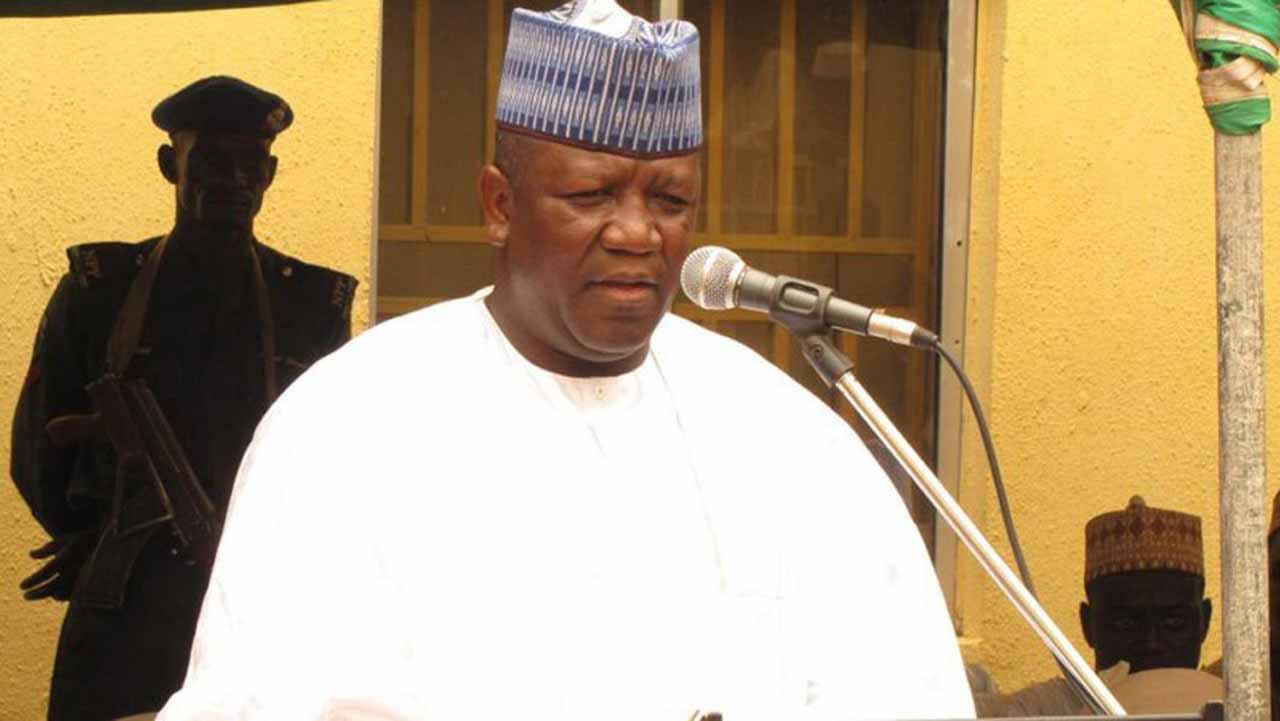
The Forum of Development Experts (FDE) and the Yari Roundtable have commended the appointment of former Zamfara State Governor, Senator Abdulaziz Abubakar Yari, as the new Chairman of the Board of Geregu Power Plc, describing it as a timely and strategic move for Nigeria’s power sector.

In a joint statement issued on Tuesday in Kaduna, the groups said Senator Yari’s appointment reflects confidence in his leadership capacity, experience in governance and commitment to national development.

According to the statement signed by Dr. Bawa Mohammed and Mr. Philip Darofai, Geregu Power Plc, as a key player in Nigeria’s electricity generation value chain, requires visionary leadership capable of strengthening corporate governance, improving operational efficiency and supporting national efforts to stabilise power supply.

“The appointment of Senator Abdulaziz Yari as Board Chairman of Geregu Power Plc is well deserved and strategically sound. His vast experience in public service, leadership and policy engagement positions him to provide effective oversight and strategic direction to the company,” the statement read.

The Forum of Development Experts noted that Yari’s leadership style, which they said emphasises accountability, inclusiveness and results, would contribute positively to Geregu Power’s growth and long-term sustainability.

Similarly, the Yari Roundtable described the appointment as a recognition of Senator Yari’s track record in leadership and his capacity to bridge public policy objectives with private sector efficiency.

The groups expressed confidence that under his chairmanship, Geregu Power would consolidate its role in boosting electricity generation, attract investment and support economic growth.

They also urged stakeholders in the power sector to give the new board the necessary support to enable it address challenges facing electricity generation in the country.

Geregu Power Plc is one of Nigeria’s leading power generation companies and plays a significant role in supplying electricity to the national grid.

The groups congratulated Senator Yari on the appointment and wished him success in his new role, expressing optimism that his tenure would add value to the company and the Nigerian power sector at large.

Northern Group Accuses EFCC of Bias, Demands Fair Treatment for Malami

…Alleges Political Targeting

A northern advocacy group, Northern Concern Citizens (NCC), has accused the Economic and Financial Crimes Commission (EFCC) of bias and political targeting in its handling of allegations against former Attorney-General of the Federation and Minister of Justice, Abubakar Malami.

In a statement issued in Kaduna on Monday, the group alleged that the anti-graft agency was ignoring court orders and fabricating allegations against Malami, particularly questioning the credibility of asset valuations linked to the former minister.

The group in the statement signed the Coordinator, Comrade Musa Mohammed claimed that Malami was being unfairly singled out for investigation because of his decision to leave the ruling All Progressives Congress (APC), describing the move as politically motivated.

“Others within the APC who have defrauded and siphoned public funds are moving freely without harassment. Why is Malami being singled out?” the group queried.

The group further alleged regional bias, insisting that northern political figures were being unfairly targeted compared to their counterparts from other regions.
“Why only northern people? This is not democracy,” the statement read.

While condemning what it described as selective justice, the NCC urged the EFCC to either promptly arraign Malami in court if there is a case against him or respect his fundamental rights under the Nigerian Constitution.

According to the group, Malami should not be subjected to unnecessary detention and should be granted bail if he meets the conditions stipulated by law.

The NCC stressed that adherence to due process was critical, warning that Nigeria’s image was at stake.
“The world is watching how Nigeria handles this matter. Justice must be done and must be seen to be done,” the statement added.

As of the time of filing this report, the EFCC had not issued any public response to the allegations raised by the group.

DAM FOUNDATION UNVEILS TRANSFORMATIVE INITIATIVES IN KOGI


Focuses on equipping youths and small-scale entrepreneurs
It was a beehive of activities recently in Okene, Kogi State, as the DAM Foundation, a non-profit organisation, unveiled three transformative initiatives aimed at strengthening education, community development, and economic empowerment.


The event, which was witnessed by the Executive Governor of Kogi State, Usman Ahmed Ododo, also had in attendance the Director-General of the Energy Commission of Nigeria, Dr. Mustapha Abdullahi.


The unveiling underscored the Foundation’s growing role in driving people-centred development and redefining socio-economic progress in the state.
A major highlight of the occasion was the commissioning of a modern hostel facility—a landmark initiative dedicated to social welfare and dignified living—alongside the DAM Civic Centre, a state-of-the-art facility envisioned to serve as a hub for sports, community engagement, dialogue, and cultural activities.


Beyond infrastructure, the DAM Foundation also launched a comprehensive empowerment

programme focused on equipping youths and small-scale entrepreneurs with essential tools, resources, and financial support. According to the Foundation, the projects represent more than physical achievements; they symbolise hope, opportunity, and a long-term commitment to building a resilient and self-reliant future for Kogi State and its surrounding communities.


The event further highlighted the importance of collaboration between government institutions and private philanthropic efforts in achieving sustainable development goals.