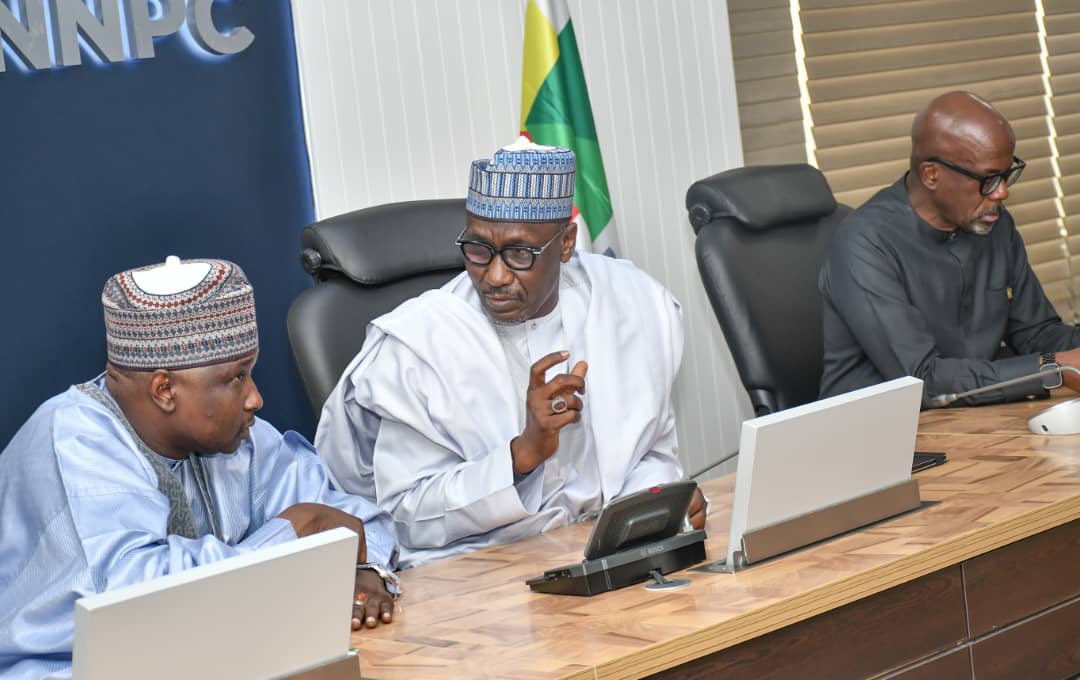
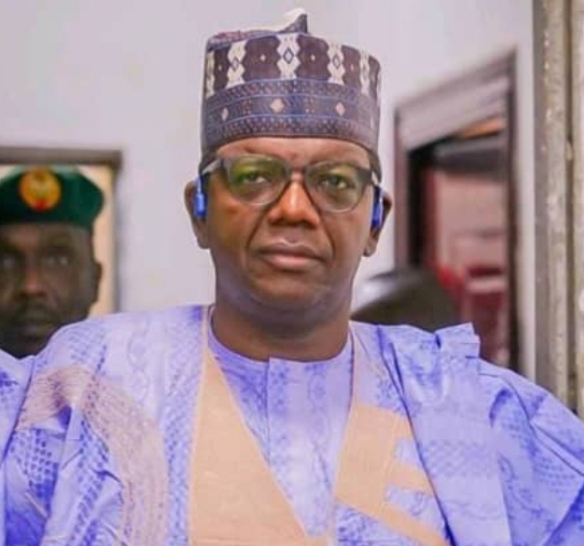
President Tinubu and Minister Matawalle:A Model of Trustworthy Political Partnership

By Suleiman Abbah

In the world of politics, forming strong and trustworthy alliances is crucial for success. A good, reliable, dependable, and supportive political partnership can make all the difference in achieving common goals, advancing mutual interests, and addressing challenges effectively. 

Such partnerships are built on a foundation of trust, cooperation, and shared values, and they can play a significant role in promoting peace, stability, and progress on both national and international levels.

A good political alliance is one that is based on mutual respect and understanding between the parties involved. It is characterized by open communication, transparency, and a willingness to listen to each other’s perspectives and concerns. Trust is essential in any alliance, as without it, there can be no genuine collaboration or cooperation. Trust is built over time through consistent actions and words that demonstrate reliability, honesty, and integrity. It is essential for each party to fulfill their commitments and obligations to maintain the trust of their partners.

The longstanding political relationship between President Bola Ahmed Tinubu and the Minister of Defence Bello Mohammed Matawalle exemplifies the principles outlined above. Their partnership is built on a foundation of trust, cooperation, and shared values, which have enabled them to work together effectively towards common goals and mutual interests.

The alliance between President Tinubu and Minister Matawalle is characterized by mutual respect and understanding. They have established open lines of communication, transparency in their interactions, and a willingness to listen to each other’s perspectives and concerns. This mutual respect has created a strong bond between them, allowing for effective collaboration and cooperation in addressing political challenges and advancing their shared vision for the country.

Trust is at the core of the relationship between President Tinubu and Minister Matawalle. Over the years, they have demonstrated reliability, honesty, and integrity in their dealings with each other, earning the trust and confidence of their partner

. This trust has allowed them to make important decisions together, navigate complex political situations, and work towards their common objectives with unity and purpose.

Dependability is another key aspect of the political alliance between President Tinubu and Minister Matawalle. They have consistently fulfilled their commitments and obligations to each other, even in times of uncertainty or adversity. Their dependability has been evident in their unwavering support for each other, their willingness to stand by one another in challenging times, and their accountability for their actions as partners in governance.

Moreover, President Tinubu and Minister Matawalle have shown great supportiveness towards each other throughout their political relationship. They have uplifted and assisted each other in achieving their individual and collective goals, offering encouragement, guidance, and resources whenever needed. 

Their supportiveness has been a source of strength and solidarity for both leaders, enabling them to overcome obstacles and challenges together as a unified force.

Their longstanding political relationship  embodies the qualities of a good, reliable, dependable, and supportive alliance. Their partnership is built on trust, cooperation, and shared values, which have allowed them to work together effectively towards common goals, advance mutual interests, and address political challenges with unity and resilience. 

Through their strong alliance, President Tinubu and Minister Matawalle have demonstrated how political leaders can collaborate to create a better future for their country and contribute towards peace, stability, and progress on a national level.

Their shared political values notwithstanding, Matawalle respects President Tinubu as a great statesman and his mentor, his guardian, and a living history and embodiment of all the exemplary qualities always strives to achieve.

To President Tinubu, Matawalle  remains the bulwark of respect, integrity, dignity, decorum, tradition, decency, morality, civility, etiquette, good behaviour, politeness, accommodation, and all other positive traits.

Together, these two men whose leadership, sacrifice, statesmanship, patriotism have few parallels in Nigeria today, share an unwavering commitment to the interests of the people of Northern Nigerian, and citizens of Nigeria as a whole.

Group Backs DHQ’s Response to Allegations by Governor Lawal of Zamfara State

Akatu Odeh


In response to the recent allegations made by Governor Dauda Lawal of Zamfara State regarding the military’s performance, the North-West Security Monitoring Alliance (NW-SMA) has publicly supported the Defence Headquarters (DHQ) in refuting these claims.

The NW-SMA, through a statement issued by its chairman, Habibu Musa Maru, has expressed full solidarity with the DHQ, firmly rejecting Governor Lawal’s assertions.

According to NW-SMA, it is Governor Lawal who has consistently failed to cooperate with Nigerian security agencies, not the other way around. The group highlighted that the lack of support and cooperation from Governor Lawal has been a major hindrance to the success of the security forces in combating terrorists in Zamfara State, with detrimental repercussions extending to neighboring states.


“The lack of cooperation from the Zamfara State government has significantly hindered the security agencies’ ability to combat terrorism effectively,” stated Habibu Musa Maru. “Governor Lawal’s lack of support impedes the military’s counter-terrorism efforts, further endangering the lives and safety of citizens not only in Zamfara but also in surrounding states.”


The NW-SMA expressed deep regret over the loss of soldiers in Zamfara State and criticized the state government for failing to adequately support the families of fallen soldiers. It underscored that without the governor’s understanding and cooperation, the battle against terrorism becomes an increasingly daunting task.


Additionally, NW-SMA brought attention to the absence of robust internal security platforms within Zamfara State, further highlighting the need for enhanced cooperation between the state government and security forces. Despite the continuous sacrifices made by military personnel in the region, the lack of adequate support from the state government remains a significant barrier to achieving lasting security.

The group criticized Governor Lawal for his frequent travels abroad and extended stays in Abuja, neglecting his duties to the people who elected him and leaving them at the mercy of dangerous criminals.

“As the elected leader of the state, Governor Lawal has a responsibility to prioritize the needs of his constituents and ensure their safety and well-being. By spending an excessive amount of time outside of the state and in Abuja, the governor is failing to fulfill his duty to the people who put their trust in him,” Maru said.

The group called on Governor Lawal to reduce the frequency of his travels abroad and the number of days he spends in Abuja. They stressed the importance of the governor being present in the state, actively engaging with the community and federal security forces to address the pressing issues that affect the lives of the people.


“By neglecting his duties and prioritizing his personal interests over the needs of the people, Governor Lawal is jeopardizing the safety and security of his constituents,” Maru continued. “In a time when the state is facing increased threats from dangerous criminals, it is essential for Governor Lawal to be present and accessible to address these challenges.

The safety and well-being of the people should be the governor’s top priority, and his absence from the state only exacerbates the problems that the people are facing.”


The group emphasized the critical need for collaboration between military and government leaders, particularly in regions facing severe security challenges. “Constructive engagement with Governor Lawal and the people of Zamfara State is vital for the success of our security missions,” added Maru. “We are convinced that the military’s commitment to restoring safety and security nationwide remains unwavering, but they need the support of all stakeholders to make meaningful progress.”

The NW-SMA said its backing of the military’s response to Governor Lawal’s accusations reflects a unified stance on the importance of collaboration between government and security forces in combating terrorism.

“As the nation continues to confront security challenges, it is imperative that all stakeholders work together towards ensuring the safety and well-being of all Nigerian citizens. Through transparency, accountability, and cohesive efforts, a more effective and sustainable approach to combating terrorism can be achieved, benefiting the entirety of Nigeria,” NW-SMA said.

The North-West Security Monitoring Alliance (NW-SMA) is a dedicated group focused on monitoring and supporting security initiatives across Nigeria’s north-western region. The Alliance works to foster collaboration among security forces, government authorities, and local communities to enhance the safety and security of all citizens.

GOVERNOR LAWAL’S EGREGIOUS ASSAULT ON THE JUDICIARY: A RECKLESS DISPLAY OF ABUSE OF POWER

Mohammed Anka Rabo

The Northern Awareness Network (NAN) is deeply troubled by the recent comments made by Zamfara State Governor Dauda Lawal regarding the nation’s judiciary. We find Governor Lawal’s remarks to be not only indecent but also damaging to the reputation of the judiciary and the overall governance of the state.

In a statement released by its chairman Salihu Suleiman expressed profound concern over Governor Lawal’s claims that the court was being influenced by powerful individuals to release accused bandits on bail. Suleiman described these remarks as filled with hate and a blatant disregard for the principles of justice and constitutionalism.

It is disheartening to witness a state governor undermining the rule of law and the independence of the judiciary for his own political gain. We believe that Governor Lawal’s irresponsible behavior and baseless accusations are not only damaging his own reputation but also eroding the public’s trust in the government of Zamfara State.

Instead of focusing on pressing security and governance issues, Governor Lawal has chosen to engage in petty politics and attacking the justice system of the country. It is evident that Governor Lawal is more concerned with assigning blame and discrediting his predecessor than supporting federal efforts to enhance security in Zamfara State.

This behavior is not befitting of a leader and does a disservice to the people of the state who are looking for stability and progress. As concerned citizens, we call on Governor Lawal to recognize the error of his ways and conduct himself with integrity and honesty.

True leadership is about uplifting and empowering those around you, not tearing them down with baseless allegations. We urge Governor Lawal to return to responsible and respectful governance, focus on strengthening the community and working towards the betterment of Zamfara State rather than engaging in divisive and harmful rhetoric.

Zamfara and the Dilemma of a Nagging Governor

By Suleiman Abbah

In today’s world, safety and security are paramount concerns for communities at all levels. Governments play a crucial role in ensuring the protection of their citizens, but often need to rely on grassroots participation to effectively address the diverse and ever-evolving security challenges faced by communities.

The security situation in Zamfara is currently at a critical crossroads, with Governor Dauda Lawal Dare seemingly at odds over how to address the ongoing challenges. Since assuming office, Governor Lawal has consistently failed to go beyond lamentations and cooperate with Nigerian federal security agencies, preferring to engage in perpetual complain, blame games, and finger-pointing instead of actively seeking solutions to combat the terrorist activities plaguing Zamfara state.

Governor Lawal’s approach to security issues in Zamfara calls into question his leadership abilities and commitment to the safety and well-being of the citizens of the state. Rather than working collaboratively with security agencies to develop effective strategies to combat terrorism, he has chosen to engage in political posturing and shifting the blame onto others.

The lack of proactive measures and decisive action on the part of Governor Lawal has only served to exacerbate the security challenges facing Zamfara. His failure to take responsibility and provide strong leadership in the face of these threats has left the people of Zamfara feeling vulnerable and abandoned.

His attitude has significantly hindered the military’s counter-terrorism efforts, putting the lives and safety of citizens at risk not only in Zamfara but also in neighboring states. While other governors in affected states are actively supporting the nation’s troops and implementing initiatives to combat insecurity, Governor Lawal appears more focused on blaming his predecessor, Bello Mohammed Matawalle, and criticizing the federal government.

Lawal’s constant complaints against the presidency and federal security agencies have diverted attention from pressing security and governance issues in the state. His remarks are often riddled with inaccuracies and a blatant disregard for the truth, further exacerbating the security challenges in Zamfara.

In just one year, Governor Lawal has earned a reputation for leading the worst administration in Zamfara’s history, lacking the necessary courage and political will to confront the state’s security crisis. Despite claiming concern for the challenges facing Zamfara citizens, Lawal has failed to take concrete steps to address youth unemployment, insecurity, and poverty in the state.

Zamfara is currently led by a governor ill-prepared and ill-equipped to lead, driven by personal ambition for power and wealth rather than a genuine commitment to improving the lives of its people. As a result, Zamfara citizens continue to suffer from rampant armed crime, extreme poverty, and a lack of support from their government.

It appears that till the end of his tenure, Lawal cannot rise to the occasion and demonstrate true leadership in addressing the security challenges facing Zamfara. He cannot move beyond mere words and take concrete actions to ensure the safety and security of all residents of the state. This failure has only further escalate the security crisis and put more lives at risk. Only through genuine leadership and a commitment to the welfare of its people can Zamfara overcome its current security crisis and emerge stronger and more resilient in the face of adversity.

This is evident in the comparison between Defence Minister Bello Matawalle and Governor Lawal, two figures in Zanfara State politics. While Matawalle has established himself as a seasoned politician with a profound insight into the needs and concerns of the local communities, Governor Lawal, a relative newcomer to the political arena, seems to lack the same level of understanding and connection to people in the state.

Lawal’s predecessor, Matawalle, now serving as a federal Minister of State for Defence, has been hailed for his innovative approach to engaging local communities in finding solutions to the state’s security issues. His deep understanding of the grassroots dynamics and culture of the state has earned him the moniker of a ‘grassroots innovator’.

Matawalle’s approach, which incorporates a bottom-up feedback loop and involves stakeholders at the local level, has proven to be effective in identifying and addressing the specific security and safety needs of communities in Zamfara. By combining local knowledge with government resources, Matawalle has been able to implement innovative security strategies that are responsive to the ever-changing political and environmental landscape of the state.

Matawalle has recognized the vital role that grassroots play in enhancing community safety and security. He understands that the affected communities are naturally and legitimately the first responders to crises and are best positioned to identify the most pressing security issues facing their communities.

 By partnering with the grassroots, Matawalle has gained valuable insights into the local context and ensured that their interventions are truly responsive to community needs.

One key advantage of working with the grassroots as Matawalle has shown, is the ability to establish community ownership over security. When communities are actively involved in the design and implementation of security solutions, they are more likely to embrace and sustain these initiatives in the long run. Additionally, grassroots serve as bridges between government forces and the communities on the ground, providing valuable feedback and ensuring that interventions are tailored to local realities.

Matawalle believes that innovation in security does not always have to be synonymous with the use of force; it can also involve improving processes or policies to better meet the security needs of communities.

 The key to Matawalle’s successful security innovation lies in building trust, fostering resilience, and maintaining open lines of communication between all stakeholders involved. By supporting grassroots organizations and empowering local communities, Matawalle aims to ensure that their solutions are truly impactful and sustainable in the long term.

In contrast, Governor Lawal, a relatively new player in the political arena, appears to lack the same level of insight and connection to the local communities that Matawalle possesses. This has led to a disconnect between grassroots participation in security matters in areas of information sharing and government policies, hindering progress in addressing the security situation.

Matawalle’s experience and long-standing presence in the political scene have allowed him to build strong relationships with the local communities in his state. 

This connection has enabled him to effectively gauge the security challenges faced by the people and tailor his policies accordingly. His approach to security matters has been characterized by a high level of grassroots participation, with communities actively engaged in information sharing and the formulation of government initiatives.

 As a result, progress has been made in addressing the security situation in the state.

On the other hand, Governor Lawal’s lack of political experience and connection to the local communities has hindered his ability to effectively address security challenges in his state. His disconnect from the grassroots has resulted in a lack of community participation in security matters, leading to gaps in information sharing and ineffective government policies. This has ultimately hindered progress in addressing the security situation in the state, as the government is unable to adequately respond to the needs and concerns of the people.

Matawalle’s deep insight and connection to the local communities have played a significant role in addressing security challenges in Zamfara state. In contrast, Governor Lawal’s lack of experience and disconnect from the grassroots have impeded progress in addressing security issues. 

Matawalle’s approach in partnering with these organizations demonstrates the importance of involving communities in the security decision-making process. By empowering grassroots organizations and fostering community ownership over security initiatives, governments can enhance their ability to address security challenges effectively and sustainably. 

The collaboration between grassroots organizations and government entities such as Matawalle’s innovative approach to security highlights the importance of local engagement in addressing complex challenges. By leveraging local knowledge, building community ownership, and fostering partnerships between different stakeholders, innovators can create meaningful change that is truly responsive to the needs of the people they serve. 

It is evident that a strong connection to the local communities is essential in effective governance, particularly in addressing security matters. As such, it is imperative for Governor Lawal to prioritize building relationships with his constituents in order to address pressing security issues and promote sustainable development. Ultimately, the success of safety and security initiatives relies on the active involvement and support of grassroots organizations, as they are essential partners in creating safe and secure communities.

Zamfara and the Dilemma of a Nagging Governor

By Suleiman Abbah

In today’s world, safety and security are paramount concerns for communities at all levels. Governments play a crucial role in ensuring the protection of their citizens, but often need to rely on grassroots participation to effectively address the diverse and ever-evolving security challenges faced by communities.

The security situation in Zamfara is currently at a critical crossroads, with Governor Dauda Lawal Dare seemingly at odds over how to address the ongoing challenges. Since assuming office, Governor Lawal has consistently failed to go beyond lamentations and cooperate with Nigerian federal security agencies, preferring to engage in perpetual complain, blame games, and finger-pointing instead of actively seeking solutions to combat the terrorist activities plaguing Zamfara state.

Governor Lawal’s approach to security issues in Zamfara calls into question his leadership abilities and commitment to the safety and well-being of the citizens of the state. Rather than working collaboratively with security agencies to develop effective strategies to combat terrorism, he has chosen to engage in political posturing and shifting the blame onto others.

The lack of proactive measures and decisive action on the part of Governor Lawal has only served to exacerbate the security challenges facing Zamfara. His failure to take responsibility and provide strong leadership in the face of these threats has left the people of Zamfara feeling vulnerable and abandoned.

His attitude has significantly hindered the military’s counter-terrorism efforts, putting the lives and safety of citizens at risk not only in Zamfara but also in neighboring states. While other governors in affected states are actively supporting the nation’s troops and implementing initiatives to combat insecurity, Governor Lawal appears more focused on blaming his predecessor, Bello Mohammed Matawalle, and criticizing the federal government.

Lawal’s constant complaints against the presidency and federal security agencies have diverted attention from pressing security and governance issues in the state. His remarks are often riddled with inaccuracies and a blatant disregard for the truth, further exacerbating the security challenges in Zamfara.

In just one year, Governor Lawal has earned a reputation for leading the worst administration in Zamfara’s history, lacking the necessary courage and political will to confront the state’s security crisis. Despite claiming concern for the challenges facing Zamfara citizens, Lawal has failed to take concrete steps to address youth unemployment, insecurity, and poverty in the state.

Zamfara is currently led by a governor ill-prepared and ill-equipped to lead, driven by personal ambition for power and wealth rather than a genuine commitment to improving the lives of its people. As a result, Zamfara citizens continue to suffer from rampant armed crime, extreme poverty, and a lack of support from their government.

It appears that till the end of his tenure, Lawal cannot rise to the occasion and demonstrate true leadership in addressing the security challenges facing Zamfara. He cannot move beyond mere words and take concrete actions to ensure the safety and security of all residents of the state. This failure has only further escalate the security crisis and put more lives at risk. Only through genuine leadership and a commitment to the welfare of its people can Zamfara overcome its current security crisis and emerge stronger and more resilient in the face of adversity.

This is evident in the comparison between Defence Minister Bello Matawalle and Governor Lawal, two figures in Zanfara State politics. While Matawalle has established himself as a seasoned politician with a profound insight into the needs and concerns of the local communities, Governor Lawal, a relative newcomer to the political arena, seems to lack the same level of understanding and connection to people in the state.

Lawal’s predecessor, Matawalle, now serving as a federal Minister of State for Defence, has been hailed for his innovative approach to engaging local communities in finding solutions to the state’s security issues. His deep understanding of the grassroots dynamics and culture of the state has earned him the moniker of a ‘grassroots innovator’.

Matawalle’s approach, which incorporates a bottom-up feedback loop and involves stakeholders at the local level, has proven to be effective in identifying and addressing the specific security and safety needs of communities in Zamfara. By combining local knowledge with government resources, Matawalle has been able to implement innovative security strategies that are responsive to the ever-changing political and environmental landscape of the state.

Matawalle has recognized the vital role that grassroots play in enhancing community safety and security. He understands that the affected communities are naturally and legitimately the first responders to crises and are best positioned to identify the most pressing security issues facing their communities.

 By partnering with the grassroots, Matawalle has gained valuable insights into the local context and ensured that their interventions are truly responsive to community needs.

One key advantage of working with the grassroots as Matawalle has shown, is the ability to establish community ownership over security. When communities are actively involved in the design and implementation of security solutions, they are more likely to embrace and sustain these initiatives in the long run. Additionally, grassroots serve as bridges between government forces and the communities on the ground, providing valuable feedback and ensuring that interventions are tailored to local realities.

Matawalle believes that innovation in security does not always have to be synonymous with the use of force; it can also involve improving processes or policies to better meet the security needs of communities.

 The key to Matawalle’s successful security innovation lies in building trust, fostering resilience, and maintaining open lines of communication between all stakeholders involved. By supporting grassroots organizations and empowering local communities, Matawalle aims to ensure that their solutions are truly impactful and sustainable in the long term.

In contrast, Governor Lawal, a relatively new player in the political arena, appears to lack the same level of insight and connection to the local communities that Matawalle possesses. This has led to a disconnect between grassroots participation in security matters in areas of information sharing and government policies, hindering progress in addressing the security situation.

Matawalle’s experience and long-standing presence in the political scene have allowed him to build strong relationships with the local communities in his state. 

This connection has enabled him to effectively gauge the security challenges faced by the people and tailor his policies accordingly. His approach to security matters has been characterized by a high level of grassroots participation, with communities actively engaged in information sharing and the formulation of government initiatives.

 As a result, progress has been made in addressing the security situation in the state.

On the other hand, Governor Lawal’s lack of political experience and connection to the local communities has hindered his ability to effectively address security challenges in his state. His disconnect from the grassroots has resulted in a lack of community participation in security matters, leading to gaps in information sharing and ineffective government policies. This has ultimately hindered progress in addressing the security situation in the state, as the government is unable to adequately respond to the needs and concerns of the people.

Matawalle’s deep insight and connection to the local communities have played a significant role in addressing security challenges in Zamfara state. In contrast, Governor Lawal’s lack of experience and disconnect from the grassroots have impeded progress in addressing security issues. 

Matawalle’s approach in partnering with these organizations demonstrates the importance of involving communities in the security decision-making process. By empowering grassroots organizations and fostering community ownership over security initiatives, governments can enhance their ability to address security challenges effectively and sustainably. 

The collaboration between grassroots organizations and government entities such as Matawalle’s innovative approach to security highlights the importance of local engagement in addressing complex challenges. By leveraging local knowledge, building community ownership, and fostering partnerships between different stakeholders, innovators can create meaningful change that is truly responsive to the needs of the people they serve. 

It is evident that a strong connection to the local communities is essential in effective governance, particularly in addressing security matters. As such, it is imperative for Governor Lawal to prioritize building relationships with his constituents in order to address pressing security issues and promote sustainable development. Ultimately, the success of safety and security initiatives relies on the active involvement and support of grassroots organizations, as they are essential partners in creating safe and secure communities.

Zamfara and the Dilemma of a Nagging Governor

By Suleiman Abbah

In today’s world, safety and security are paramount concerns for communities at all levels. Governments play a crucial role in ensuring the protection of their citizens, but often need to rely on grassroots participation to effectively address the diverse and ever-evolving security challenges faced by communities.

The security situation in Zamfara is currently at a critical crossroads, with Governor Dauda Lawal Dare seemingly at odds over how to address the ongoing challenges. Since assuming office, Governor Lawal has consistently failed to go beyond lamentations and cooperate with Nigerian federal security agencies, preferring to engage in perpetual complain, blame games, and finger-pointing instead of actively seeking solutions to combat the terrorist activities plaguing Zamfara state.

Governor Lawal’s approach to security issues in Zamfara calls into question his leadership abilities and commitment to the safety and well-being of the citizens of the state. Rather than working collaboratively with security agencies to develop effective strategies to combat terrorism, he has chosen to engage in political posturing and shifting the blame onto others.

The lack of proactive measures and decisive action on the part of Governor Lawal has only served to exacerbate the security challenges facing Zamfara. His failure to take responsibility and provide strong leadership in the face of these threats has left the people of Zamfara feeling vulnerable and abandoned.

His attitude has significantly hindered the military’s counter-terrorism efforts, putting the lives and safety of citizens at risk not only in Zamfara but also in neighboring states. While other governors in affected states are actively supporting the nation’s troops and implementing initiatives to combat insecurity, Governor Lawal appears more focused on blaming his predecessor, Bello Mohammed Matawalle, and criticizing the federal government.

Lawal’s constant complaints against the presidency and federal security agencies have diverted attention from pressing security and governance issues in the state. His remarks are often riddled with inaccuracies and a blatant disregard for the truth, further exacerbating the security challenges in Zamfara.

In just one year, Governor Lawal has earned a reputation for leading the worst administration in Zamfara’s history, lacking the necessary courage and political will to confront the state’s security crisis. Despite claiming concern for the challenges facing Zamfara citizens, Lawal has failed to take concrete steps to address youth unemployment, insecurity, and poverty in the state.

Zamfara is currently led by a governor ill-prepared and ill-equipped to lead, driven by personal ambition for power and wealth rather than a genuine commitment to improving the lives of its people. As a result, Zamfara citizens continue to suffer from rampant armed crime, extreme poverty, and a lack of support from their government.

It appears that till the end of his tenure, Lawal cannot rise to the occasion and demonstrate true leadership in addressing the security challenges facing Zamfara. He cannot move beyond mere words and take concrete actions to ensure the safety and security of all residents of the state. This failure has only further escalate the security crisis and put more lives at risk. Only through genuine leadership and a commitment to the welfare of its people can Zamfara overcome its current security crisis and emerge stronger and more resilient in the face of adversity.

This is evident in the comparison between Defence Minister Bello Matawalle and Governor Lawal, two figures in Zanfara State politics. While Matawalle has established himself as a seasoned politician with a profound insight into the needs and concerns of the local communities, Governor Lawal, a relative newcomer to the political arena, seems to lack the same level of understanding and connection to people in the state.

Lawal’s predecessor, Matawalle, now serving as a federal Minister of State for Defence, has been hailed for his innovative approach to engaging local communities in finding solutions to the state’s security issues. His deep understanding of the grassroots dynamics and culture of the state has earned him the moniker of a ‘grassroots innovator’.

Matawalle’s approach, which incorporates a bottom-up feedback loop and involves stakeholders at the local level, has proven to be effective in identifying and addressing the specific security and safety needs of communities in Zamfara. By combining local knowledge with government resources, Matawalle has been able to implement innovative security strategies that are responsive to the ever-changing political and environmental landscape of the state.

Matawalle has recognized the vital role that grassroots play in enhancing community safety and security. He understands that the affected communities are naturally and legitimately the first responders to crises and are best positioned to identify the most pressing security issues facing their communities.

 By partnering with the grassroots, Matawalle has gained valuable insights into the local context and ensured that their interventions are truly responsive to community needs.

One key advantage of working with the grassroots as Matawalle has shown, is the ability to establish community ownership over security. When communities are actively involved in the design and implementation of security solutions, they are more likely to embrace and sustain these initiatives in the long run. Additionally, grassroots serve as bridges between government forces and the communities on the ground, providing valuable feedback and ensuring that interventions are tailored to local realities.

Matawalle believes that innovation in security does not always have to be synonymous with the use of force; it can also involve improving processes or policies to better meet the security needs of communities.

 The key to Matawalle’s successful security innovation lies in building trust, fostering resilience, and maintaining open lines of communication between all stakeholders involved. By supporting grassroots organizations and empowering local communities, Matawalle aims to ensure that their solutions are truly impactful and sustainable in the long term.

In contrast, Governor Lawal, a relatively new player in the political arena, appears to lack the same level of insight and connection to the local communities that Matawalle possesses. This has led to a disconnect between grassroots participation in security matters in areas of information sharing and government policies, hindering progress in addressing the security situation.

Matawalle’s experience and long-standing presence in the political scene have allowed him to build strong relationships with the local communities in his state. 

This connection has enabled him to effectively gauge the security challenges faced by the people and tailor his policies accordingly. His approach to security matters has been characterized by a high level of grassroots participation, with communities actively engaged in information sharing and the formulation of government initiatives.

 As a result, progress has been made in addressing the security situation in the state.

On the other hand, Governor Lawal’s lack of political experience and connection to the local communities has hindered his ability to effectively address security challenges in his state. His disconnect from the grassroots has resulted in a lack of community participation in security matters, leading to gaps in information sharing and ineffective government policies. This has ultimately hindered progress in addressing the security situation in the state, as the government is unable to adequately respond to the needs and concerns of the people.

Matawalle’s deep insight and connection to the local communities have played a significant role in addressing security challenges in Zamfara state. In contrast, Governor Lawal’s lack of experience and disconnect from the grassroots have impeded progress in addressing security issues. 

Matawalle’s approach in partnering with these organizations demonstrates the importance of involving communities in the security decision-making process. By empowering grassroots organizations and fostering community ownership over security initiatives, governments can enhance their ability to address security challenges effectively and sustainably. 

The collaboration between grassroots organizations and government entities such as Matawalle’s innovative approach to security highlights the importance of local engagement in addressing complex challenges. By leveraging local knowledge, building community ownership, and fostering partnerships between different stakeholders, innovators can create meaningful change that is truly responsive to the needs of the people they serve. 

It is evident that a strong connection to the local communities is essential in effective governance, particularly in addressing security matters. As such, it is imperative for Governor Lawal to prioritize building relationships with his constituents in order to address pressing security issues and promote sustainable development. Ultimately, the success of safety and security initiatives relies on the active involvement and support of grassroots organizations, as they are essential partners in creating safe and secure communities.

Zamfara Security: A Tale of Two Leaders – Matawalle vs. Lawal

By Suleiman Abbah 

In today’s world, safety and security are paramount concerns for communities at all levels. Governments play a crucial role in ensuring the protection of their citizens, but often need to rely on grassroots participation to effectively address the diverse and ever-evolving security challenges faced by communities. This is evident in the comparison between Defence Minister Bello Matawalle and Governor Lawal, two figures in Zamfara State politics.

Matawalle has established himself as a seasoned politician with a profound insight into the needs and concerns of the local communities, while Governor Lawal, a relative newcomer to the political arena, seems to lack the same level of understanding and connection to people in the state.

Matawalle’s approach to security incorporates a bottom-up feedback loop, involving stakeholders at the local level, and has proven effective in identifying and addressing specific security needs. By combining local knowledge with government resources, Matawalle has implemented innovative security strategies responsive to the state’s changing landscape.

In contrast, Governor Lawal’s lack of political experience and connection to local communities has hindered progress in addressing security challenges. His disconnect from the grassroots has resulted in a lack of community participation, leading to gaps in information sharing and ineffective government policies.

Matawalle’s experience and connection to local communities have allowed him to build strong relationships and effectively address security challenges. His approach demonstrates the importance of involving communities in security decision-making, empowering grassroots organizations, and fostering community ownership.

The collaboration between grassroots organizations and government entities highlights the importance of local engagement in addressing complex challenges. Building community ownership and fostering partnerships is essential for creating meaningful change responsive to the needs of the people.

A strong connection to local communities is essential in effective governance, particularly in addressing security matters. Governor Lawal must prioritize building relationships with his constituents to address pressing security issues and promote sustainable development. The success of safety and security initiatives relies on grassroots involvement, making them essential partners in creating safe and secure communities.

2027: National Youth Alliance Appoints Comrade  Anslem As Director  Research, Strategy, Planning, Spokesman

The National Youth Alliance (NYA) has announced the appointment of Comrade Eragbe Anslem as its new Director of Research, Strategy and Planning, and Spokesman.

According to a statement by the Special Adviser on Media and Publicity to the National Chairman/Youth President, Okpani Jacob Onjewu Dickson to newsmen in Kaduna, this development is aimed at strengthening the NYA’s strategic direction and enhancing its communication efforts.

Comrade Eragbe Anslem, a seasoned youth leader and strategist, brings a wealth of experience to his new role.

He is the immediate past National Youth Leader of the Labour Party, and the Labour Party’s Senatorial candidate for Edo North in the 2023 elections.

He is also a former Student Union President of the prestigious Ahmadu Bello University (ABU).

With his impressive track record and expertise, Comrade Anslem is tasked with leading the NYA’s research and strategy initiatives, as well as serving as the organization’s official spokesman.

The NYA, a youth-driven political movement, is committed to empowering young Nigerians and promoting their active participation in the country’s political and economic development.

This appointment is seen as a significant milestone in the NYA’s efforts to reposition itself as a formidable force in Nigeria’s political landscape.

NAN Calls Out Zamfara Governor for Neglecting Security Responsibilities, Criticizes Unwarranted Attacks on Federal Government

The Northern Awareness Network (NAN) has formally responded to recent comments made by Zamfara State Governor Dauda Lawal, who criticized the administration of President Bola Tinubu for allegedly lacking the will to address the chronic insecurity afflicting Zamfara state and Northern Nigeria.

The rebuff from NAN, presented by its Chairman, Salihu Suleiman, targets Governor Lawal’s assertions made during a recent appearance on Channels Television. Suleiman countered Governor Lawal’s criticisms by pointing out the governor’s own ineffectiveness and absence during critical security crises affecting his state.

Suleiman highlighted a striking instance to underscore his point; on the very day female students from the Federal University Gusau were abducted, Governor Lawal embarked on a personal trip to the United States, thus leaving his state leaderless during a dire emergency.

“Governor Lawal’s unwarranted trip to the United States at such a critical time demonstrates his disconnection from the realities on the ground in Zamfara. It was alarming that the governor remained incommunicado and inaccessible to efforts from the Ministry of Defence and federal government officials seeking his cooperation,” said Suleiman.

Further, NAN stressed that Governor Lawal has consistently refused to collaborate with federal initiatives aimed at combating insecurity, thereby undermining collective efforts.

“The NAN firmly believes that Governor Dauda Lawal needs to reassess his approach towards federal collaborations and should work constructively with all stakeholders to enhance security in Zamfara and beyond. The organization reaffirms its support for Minister Bello Matawalle’s efforts in ensuring a secure and stable Nigeria,” the statement said.

According to NAN, Governor Lawal’s expectation for the Federal Minister of Defence, Bello Matawalle, to prioritize Zamfara over other states solely based on his state of origin is both concerning and unjustifiable.

“Expecting Matawalle to prioritize Zamfara because he hails from there sets a dangerous precedent. While advocacy for one’s home state is natural, leaders must remain impartial and prioritize national interests. Matawalle’s duty is to safeguard the entirety of Nigeria, ensuring that each state receives adequate attention and resources to address its unique security challenges,” commented NAN.

The group underscored the expansive role of the Minister of Defence, which involves harmonizing efforts between the military, paramilitary, and intelligence agencies to combat nationwide security threats. Matawalle’s focus on overhauling the operational environment for the nation’s security forces has been pivotal in enhancing their effectiveness against terrorism, insurgency, and other critical threats.

NAN praised Matawalle’s proactive measures in addressing resource shortages, inadequate training, and operational constraints that had previously hampered security efforts.

“While it is understandable that Matawalle might have a vested interest in the security of Zamfara, his ultimate responsibility lies with the entire nation. Every state faces its unique security challenges, and it is essential that Matawalle maintains a balanced approach to ensure national security,” NAN emphasized.

How Philanthropist, Serial Real Estate Entrepreneur is impacting on younger generation

By Matthew Denis

The name Alhaji Mayaki Abubakar continues to rings bell as a philanthropist and serial real estate entrepreneur donates his time, resources, and wealth to support worthy causes, making a positive impact on his immediate Lagos Community and people at grassroots in kwara North.

As a Serial entrepreneur, with his unflinching effort he establish and grow new ventures, creating jobs for thousands of apprentices thereby driving economic growth.

As an exemplifies Innovator, he has an adaptability disposition that navigate challenges, learn from failures, and pivot strategies to succeed.

He is creating lasting legacies through his philanthropy flair and businesses impacting on communities as a change-maker, driving positive change in the world!

Alhaji Abubakar is identified by people as a gift to Humanity, Symbol of Simplicity, and dedicated Servant to the masses whose exceptional supports for the downtrodden cannot be overemphasized.

The Tsonga born humble flower is a Lagos- based father of seven and husband of three wives, displaying high sense of responsibility and commitment to his families and the community at large.

His source of wealth and knowledge of exploration have been linked to his undying commitment and connection in the business of Estate management and evaluation; land dispute settlement, grassroots developer–and icon of peaceful mobilization and transformation in local and urban communities.

The epitome is known for his kind heartedness, administrative qualities, land expertise advise, social engineer, vision founder and executor, man of excellence, and a passion for philanthropy. As a seasoned businessman and real estate expert, he has made a lasting impact in the industry through his company, MYK LAND AND PROPERTIES NIGERIA LIMITED. Located at No.11 Nepa Street Alatisé- Ibejú, Lekki, Lagos State, with steep branch at Eyinle No.34 Segandogo, Lucky Fiber Street, Ikorodu, Lagos State. Making him all- time accessible and available to the General Public.

Some of his notable among countless of his achievements will be listed as you read further.

Even Though he has been supporting the good and appreciative people of Tsonga Emirate community, he has avowed to do more and open for social and economic manifestation of greatness in the lives of his people. Putting smiles and joy in the faces of the people has been his footsteps and paths.

The indigenous son of kwara in Shonga, Edu Local Government area of Kwara state Is a well-birthed and proud son of the soil with a deep love for his community and nation. His contributions to humanity and national development have earned him numerous honors, including; Aare Asoludero of Ladaba Kingdom, Lagos, Mayaki General of Nupe, Lagos State, Chairman Nupe of Ikorodu, Lagos State, Akinrogun of Ejigbo land, Lagos State, and others.

With his audacity and honesty in land dispute resolution, his rare personality with his business acumen has been essentially earned him numerous Award.

A caring nature like Alhaji Mayaki Abubakar is the ideal leader to serve the good people of Edu Local Government, Nupe community, Kwara State representative stools, and Nigeria at large.

As a man whose door is always open for technical and financial supports–his heart is always willing to listen and support. Leveraging his wealth of experience and wide political and traditional leaders across the globe, productive relationship with security and legal honchos in Nigeria.

He is a blossom friend to Fmr Inspector General of Police today whose frankness made him a boot friend with the likes of Deputy Inspector General of Police, division heads, Lagos State Executive Council Members, Serving Honorables, and many revered personalities in Lagos and Abuja seat of government.

His connectedness and love for peaceful coexistence drove his keen success in the prominent land issues like that of; Kpoka, Eleran Egbe, Ibeju Lekki Lagos, Ladaba- Oké, Igboyé Epe, Lakowe Hold Lekki, Agility Mil’12 Lagos State, Abijo Lekki Lagos State, and many land disputes resolution breakthroughs.

His unflinching supports cut across community development and Human capacity development. Traversing his lasten impact in the lives of the people in these communities. He is a lover of students Union, a supporter of youths progress and integration, and an outspoken lion in the struggle for State and National development.

The philanthropist charisma is a pointer to the society that he’s the kind of leader that the society is yelling for that has a versatile experiences in transforming the economic and infrastructural development in the country.