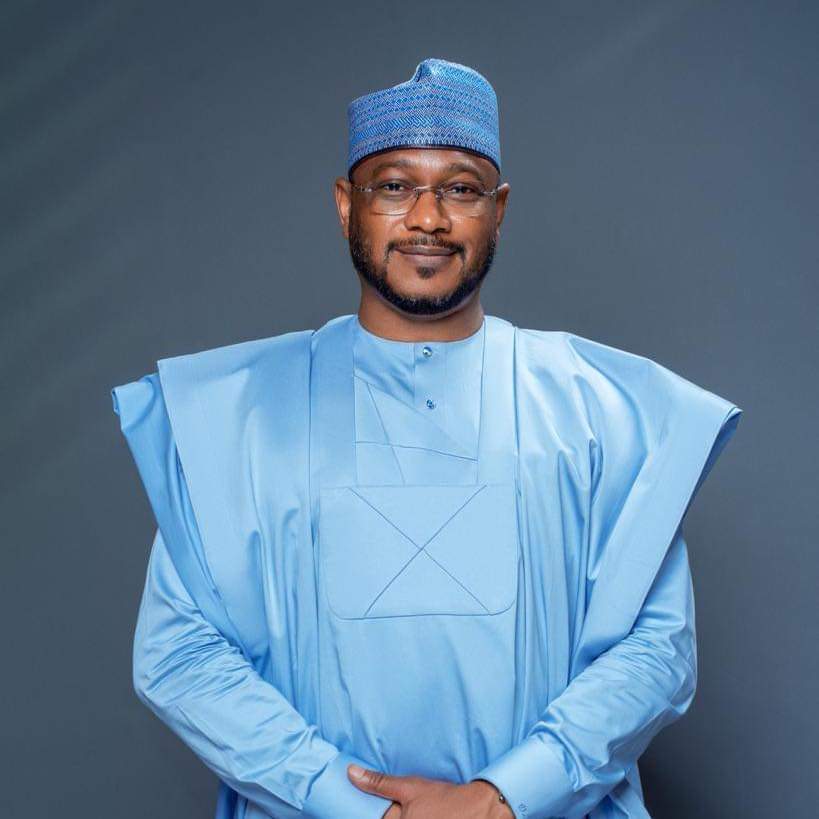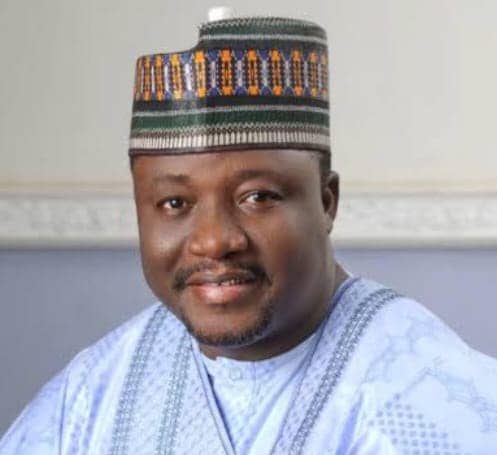
Yerima Shettima: A Man of All Seasons

By Suleiman Abbah

In the ever-evolving landscape of Nigerian society, where the tapestry of culture, politics, and social dynamics interweaves with the threads of history, few figures stand out as remarkably as Yerima Shettima. A man of many dimensions, Shettima epitomizes the essence of resilience, adaptability, and multifaceted contribution to his community and nation. As we delve into the life and legacy of Yerima Shettima, we explore the theme of “a man of all seasons,” examining how his diverse roles and unwavering commitment have positioned him as a beacon of hope and change in Nigeria.

The Early Years: Foundations of a Leader

Yerima Shettima was born into a world rich with cultural heritage and tradition. Growing up in a society marked by both promise and challenges, he quickly learned the value of education and community engagement. His early years were characterized by a deep-rooted understanding of the complexities of human interactions and the significance of cultural identity. This foundation would serve as the bedrock for his future endeavors.

Shettima’s academic pursuits led him to acquire knowledge that transcended mere textbooks. He understood that education was not just a means to an end but a powerful tool for social transformation. His commitment to knowledge would later manifest in his advocacy for educational reforms, particularly in northern Nigeria, where access to quality education remains a pressing issue. By championing the cause of education, Shettima laid the groundwork for his role as a leader who seeks to uplift his community through enlightenment and empowerment.

Cultural Advocacy: Preserving Heritage in a Changing World

One of the defining aspects of Yerima Shettima’s life is his unwavering commitment to cultural advocacy. In a world increasingly influenced by globalization and homogenization, Shettima has emerged as a staunch defender of Nigeria’s rich cultural heritage. He understands that culture is not merely a relic of the past but a living, breathing entity that shapes identities and fosters community cohesion.

Through various initiatives, Shettima has worked tirelessly to promote the arts, literature, and traditions of Nigeria, particularly those of the northern regions. His efforts have not only highlighted the significance of cultural preservation but have also provided a platform for emerging artists and writers to showcase their talents. By fostering a sense of pride in one’s heritage, Shettima has empowered individuals to embrace their roots while navigating the complexities of modernity.

Political Engagement: Navigating the Terrain of Governance

Yerima Shettima’s journey as a man of all seasons would be incomplete without acknowledging his involvement in the political arena. Recognizing the intricate relationship between culture, education, and governance, Shettima has positioned himself as a voice for the marginalized and a champion for social justice. His political engagement is characterized by a commitment to transparency, accountability, and inclusivity.

In a political landscape often marred by corruption and inefficiency, Shettima’s integrity stands as a testament to the possibility of ethical leadership. He has advocated for policies that prioritize the welfare of the people, particularly those in underserved communities. His approach to governance emphasizes the importance of grassroots participation, ensuring that the voices of ordinary citizens are heard and valued.

Philanthropy and Social Responsibility: A Heart for the People

Beyond his political and cultural endeavors, Yerima Shettima embodies the spirit of philanthropy and social responsibility. He recognizes that true leadership extends beyond the confines of political office; it involves a genuine commitment to the welfare of others. Through various philanthropic initiatives, Shettima has sought to address pressing social issues, including poverty alleviation, healthcare access, and youth empowerment.

His philanthropic work is characterized by a hands-on approach, often engaging directly with communities to understand their needs and aspirations. By fostering partnerships with local organizations and stakeholders, Shettima has been able to implement sustainable solutions that create lasting impact. His dedication to social responsibility reinforces the idea that leadership is not merely about authority but about service and sacrifice.

A Vision for the Future: Inspiring Generations

As a man of all seasons, Yerima Shettima embodies a vision for the future that transcends individual ambition. He understands that the challenges facing Nigeria are multifaceted and require collaborative efforts to address. His commitment to fostering dialogue among diverse groups reflects his belief in the power of unity and collective action.

Shettima’s vision extends to the younger generation, whom he sees as the torchbearers of change. Through mentorship programs and educational initiatives, he seeks to inspire young minds to embrace leadership roles and contribute positively to society. By instilling values of integrity, empathy, and resilience, Shettima aims to cultivate a new generation of leaders who are equipped to navigate the complexities of a rapidly changing world.

Conclusion: The Legacy of Yerima Shettima

In conclusion, Yerima Shettima stands as a testament to the idea that one can indeed be a man of all seasons. His journey, marked by cultural advocacy, political engagement, philanthropy, and a visionary outlook, reflects the multifaceted nature of leadership in today’s world. As Nigeria continues to grapple with its challenges, figures like Shettima remind us of the power of resilience, adaptability, and a commitment to the greater good.

Yerima Shettima’s legacy is not merely defined by his achievements but by the lives he has touched and the communities he has uplifted. As we reflect on his contributions, we are reminded that true leadership transcends individual accolades; it is about fostering a sense of belonging, nurturing potential, and inspiring hope for a brighter future. In a world that often seems divided, Shettima’s example serves as a beacon of light, guiding us toward a more inclusive and harmonious society.
Dokan Karji Community Condemns Bomba Dauda’s Misleading Rejoinder on Bandit Attacks

Aduku Malik

The Dokan Karji community in Kauru Local Government Area of Kaduna State has expressed outrage over a report by Bomba Dauda, a journalist from Southern Kaduna, which sought to discredit their plight in the face of bandit attacks. Dauda’s report described the community’s claims of bandit overrun as “frivolous,” “speculative,” and “over exaggerated.”

Recently, national newspapers, including Vanguard, reported on the impunity of bandits operating in the community, forcing residents out and taking over their lands unchallenged by the state. The community listed 14 affected communities: Sabon Gida Libere, Maikudumi, Fili, Unguwan Nabara, Mahuta, Sabon Layin Kan’Makama, Unguwan Isah, Ruwan Sanyi, Unguwan Danja, Unguwan Maizuma, Unguwan Zango, Unguwan Gayya, Unguwan Garkuwa, and Nasarawa.

Dauda’s rejoinder, published on Gurara Accord, an online media outlet, sparked widespread condemnation from the community. Critics argue that Dauda failed to provide convincing counter evidence or indicate whether he visited the affected communities.

The community questioned Dauda’s motives, suggesting he may be attempting to undermine the Nigerian Armed Forces’ efforts in combating banditry. They also expressed disappointment that Dauda, as a Southern Kaduna native, would downplay the atrocities against his fellow community members.

Youth Leader Alh. Aminu Khalid emphasized that the community’s plea for assistance from the state is legitimate and should not be dismissed. “Is it wrong for the government to chase out the bandits and reclaim our lands?” he asked.

Khalid highlighted the community’s bravery in rescuing 26 hostages from bandits in Zakada community on November 14, 2024. However, he noted that the bandits have regrouped, posing an even greater threat.

The community urged the Nigerian military to investigate their claims and provide necessary assistance. “We shall not be distracted or discouraged from pursuing the security, safety, and well-being of our fatherland,” Khalid declared.

The Dokan Karji community appealed to the public not to be misled by Dauda’s “unsympathetic and totally false narration” of events.

The Community’s Plea

The Dokan Karji community seeks understanding and support in their struggle against banditry.

  • Protection from the Government: They demand protection from the government, questioning whether the state owes them no protection due to military constraints.
  • Investigation into Bomba Dauda’s Claims: The community requests an investigation into Dauda’s claims and his motives behind downplaying the bandit attacks.
  • Assistance from the Nigerian Military: They urge the military to provide necessary assistance to reclaim their lands and ensure their safety.
  • International Awareness: The community hopes to raise international awareness about their plight and the dangers of banditry in the region.

The Dokan Karji community remains resolute in their pursuit of security, safety, and well-being.

The Bigger Picture

The issue highlights the broader struggle against banditry in Nigeria and the importance of accurate reporting.

  • Banditry in Nigeria: The country faces persistent challenges from bandits, with many communities affected.
  • Role of Journalism: The incident underscores the significance of responsible journalism in reporting conflicts and the need for verification.
  • Community Resilience: The Dokan Karji community’s determination serves as an example of resilience in the face of adversity.

As the community continues to seek justice and protection, their story serves as a reminder of the human cost of conflict and the importance of responsible reporting.

Niger Delta Youths Issue FG Ultimatum: ‘Meet Our Demands or Face Consequences


By: Oladimeji Oyinlola

Civil society groups, led by Comrade Abdul Bako Usman, National President of Campaign for Democracy and Convener of Concerned Civil Society Network, are backing the Niger Delta youths in their demands for employment opportunities and grassroots developmental projects.

Speaking to journalists in Abuja on Saturday, November 16, 2024, Comrade Usman emphasized that development commissions in Nigeria, such as the North East Development Commission (NEDC) and the Niger Delta Development Commission (NDDC), were established to address specific regional needs, promote development, and reduce unemployment.

Comrade Usman stressed that civil society members are imploring the Federal Government to ensure that all commission heads meet the expectations of the people within the areas where these commissions are sited. He noted that the Managing Director of the Niger Delta Development Commission (NDDC), Sam Ogbuku, should resign or be sacked by the President if he fails to address the youths’ demands.

The Niger Delta youths, under the umbrella body of “Unemployed Youths of Nigeria,” have been peacefully protesting, demanding employment opportunities and developmental projects within the region. Comrade Usman warned that if the Federal Government fails to respond, civil society groups will join the protest, mobilizing other federal government agencies to ensure the youths’ demands are met.

Comrade Usman emphasized that it is crucial for the Federal Government to monitor the activities and actions of the heads of these commissions to prevent youths from being short-changed. He urged the Managing Director of the NDDC to listen to the agitations of the youths in his region and address them promptly to prevent the situation from escalating.

The civil society groups are committed to supporting the Niger Delta youths in their demands for development and employment opportunities, ensuring that their voices are heard and their needs are addressed.

Some of the Development Commissions in Nigeria include:

– North East Development Commission (NEDC): focuses on rebuilding and developing the North East region
– Niger Delta Development Commission (NDDC): aimed at developing the Niger Delta region
– National Commission for Refugees, Migrants, and Internally Displaced Persons: targeted at providing support to refugees, migrants, and internally displaced persons

The Paradox of Leadership: Obasanjo’s Legacy in Nigeria’s Political Landscape

By Sani Suleiman Alhassan

In the labyrinthine corridors of Nigeria’s political history, few figures elicit as much controversy as former President Olusegun Obasanjo. His tenure, which spanned from 1999 to 2007 during the Fourth Republic, remains a focal point of debate, characterized by both significant achievements and glaring failures. Recently, Obasanjo has emerged as a vocal critic of the current electoral commission, labeling the 2023 general election a “travesty.” This essay endeavors to explore the implications of his statements, the inconsistencies within his own leadership legacy, and the pressing need for a reformed electoral process in Nigeria.
To understand the weight of Obasanjo’s criticisms, one must first grapple with the contradictions of his own political legacy. As a former military ruler who transitioned to a civilian presidency, Obasanjo’s journey is emblematic of Nigeria’s tumultuous political evolution. He is often credited with laying the groundwork for democratic governance and economic reforms. Yet, his administration was not without its faults. Many critics argue that he institutionalized corruption, a claim that resonates particularly in light of the rampant electoral malfeasance that continues to plague Nigeria.
During Obasanjo’s presidency, allegations of electoral fraud were rampant. Results were often announced even as voters queued at polling stations, a practice that undermined the very foundation of democratic engagement. This inconsistency raises an important question: Can a leader who oversaw such irregularities justifiably critique the integrity of subsequent elections? Obasanjo’s recent denunciation of the 2023 general election as a “travesty” seems to echo the very practices he once allowed to fester during his own leadership.
One of the most controversial chapters of Obasanjo’s presidency was his unsuccessful bid for a third term in office. This endeavor not only exposed the depths of his ambition but also highlighted the lengths to which he would go to maintain power. The attempt to amend the constitution, which would have allowed him to extend his presidency, was met with widespread opposition and ultimately failed. Critics argue that this pursuit of power, coupled with the notorious “Ghana-must-go” bags of cash allegedly used to bribe members of the National Assembly, reflects a troubling willingness to compromise democratic principles for personal gain.
The implications of this episode extend beyond Obasanjo’s personal ambition; they underscore a broader culture of political impunity that has plagued Nigeria. By attempting to manipulate the political system for his benefit, Obasanjo inadvertently set a precedent that subsequent leaders have followed, perpetuating a cycle of corruption and electoral malpractice. Thus, his current critiques of the electoral commission resonate with a certain irony, as he himself played a role in shaping the very environment he now condemns.
Obasanjo’s denunciation of the 2023 general election must be viewed through the lens of his own leadership record. The election, marred by allegations of violence, voter suppression, and logistical failures, reflects a broader systemic issue that has roots in the governance practices of previous administrations, including his own. The former president’s claims that the electoral commission failed to uphold its mandate resonate with many Nigerians who have grown disillusioned with the political process. However, his moral authority to speak on these matters is undermined by his own past.
Furthermore, the involvement of retired military leaders in the alleged unconstitutional suspension of collation during the 2023 elections raises questions about the integrity of the process. Obasanjo, a figure with deep ties to Nigeria’s military history, must confront the implications of such actions. The intertwining of military influence and civilian governance remains a contentious issue in Nigeria, one that Obasanjo has both benefited from and contributed to throughout his career.
Obasanjo’s troubling pattern of forgetting the past is a concerning aspect of his character that has been evident throughout his time in politics. One significant example of this behavior is his actions prior to General Sani Abacha’s death in 1998. During this period, Obasanjo found himself imprisoned in the Gulag, facing the prospect of imminent execution. This experience should have left a lasting impact on him, serving as a reminder of the need for accountability and for standing up against oppressive regimes. However, it seems that Obasanjo has chosen to overlook this dark chapter in his life, as evidenced by his subsequent actions.
Furthermore, Obasanjo’s behavior around the formation of the People’s Democratic Party (PDP) raises further questions about his commitment to democratic principles and the rule of law. Instead of using his platform and influence to advocate for transparency and accountability within the party, Obasanjo accepted the 1999 President Ticket pro bono, effectively positioning himself at the helm of a party that was marred by corruption and other malpractices. This decision speaks volumes about Obasanjo’s priorities and his willingness to compromise his values in pursuit of power and influence.
Once in office, Obasanjo’s presidency was marked by a series of controversies and scandals that tarnished his legacy and eroded public trust in the government. From the mismanagement of key sectors such as healthcare and education to the human rights abuses committed under his watch, Obasanjo’s tenure was marred by a lack of accountability and a disregard for the well-being of ordinary Nigerians. Despite his shortcomings, Obasanjo attempted to extend his time in office through unconstitutional means, by pushing for a Third Term agenda that would have undermined the democratic process and the constitution.
In light of these troubling developments, it is disheartening to see that Obasanjo continues to display a lack of remorse or reflection on his actions. Like the proverbial Donkey, he seems oblivious to the consequences of his decisions and the impact they have had on the country and its people. This inability to acknowledge his mistakes and learn from them speaks to a deeper character flaw that is not just unfortunate but dangerous for Nigeria’s future.
Obasanjo’s habit of forgetting the past and repeating the same mistakes is a cause for concern for all Nigerians. His disregard for democratic norms, his willingness to put personal gain above the greater good, and his reluctance to take responsibility for his actions all point to a leader who is out of touch with reality. If Nigeria is to move forward and address the challenges it faces, it is crucial that leaders like Obasanjo learn from their past mistakes and demonstrate a genuine commitment to accountability and transparency. Anything less would be a disservice to the Nigerian people and a betrayal of the ideals of democracy.
In conclusion, Olusegun Obasanjo’s legacy is a complex tapestry woven with threads of glaring failure. His recent criticisms of the 2023 general election are clouded by the inconsistencies of his own leadership. As the nation grapples with the pressing need for electoral reform, it is essential for political leaders to engage in genuine self-reflection and accountability.
The path toward a more transparent and democratic electoral process in Nigeria requires not only the dismantling of corrupt practices but also a commitment to ethical leadership. While Obasanjo’s voice may serve as a catalyst for discussion, it is imperative that he, along with other leaders, acknowledges their roles in the current state of affairs. Only then can Nigeria hope to navigate the labyrinthine corridors of its political history and emerge with a renewed commitment to democracy and governance.

Northern Awareness Network Claps Back at Obasanjo Over INEC Criticism

The Northern Awareness Network (NAN) has fired back at former President Olusegun Obasanjo’s criticism of the Independent National Electoral Commission (INEC) and its Chairman, Mahmood Yakubu. According to NAN Chairman Salihu Suleiman, Obasanjo’s accusations are shameless, considering his own history of electoral malfeasance during his presidency ¹.

Obasanjo’s track record on electoral integrity is questionable, with numerous reports of irregularities, violence, and rigging in elections during his time in office. He even admitted to manipulating elections to ensure victory for his preferred candidates. This makes it difficult to take his criticisms of the current government seriously ¹.

NAN emphasized the importance of holding leaders accountable for their actions and decisions but noted that Obasanjo’s past actions undermine his credibility. His administration lacked significant electoral reforms and failed to prioritize transparency in the electoral process ¹.

Moreover, Obasanjo’s criticism of INEC’s reliance on technology, such as the Bimodal Voter Accreditation System (BVAS) and the INEC Election Result Viewing Portal (IReV), seems misplaced. His own administration was characterized by a manual electoral process prone to manipulation ¹.

The Northern Awareness Network questioned Obasanjo’s moral authority to lecture on governance and integrity, given his involvement in institutionalizing corruption. His presidency was marred by allegations of financial impropriety and influence peddling ¹.

In conclusion, NAN urged contemporary leaders to learn from the past and prioritize the establishment of a transparent and accountable electoral process. They also cautioned against taking Obasanjo’s criticisms seriously, given his history of electoral malpractice ¹.

About Mahmood Yakubu, INEC Chairman

Mahmood Yakubu, the current INEC Chairman, has been leading the commission since 2015 ¹. His background is in political history and international studies, and he has held various academic and administrative positions before joining INEC ¹ ². Born in Bauchi in May 1962, Yakubu attended Teachers’ College, Toro, Bauchi State, and obtained the Grade II Teachers’ Certificate in 1980 ². He graduated with a first-class honors degree in History from the University of Sokoto (now Usmanu Danfodiyo University) in 1985 and later obtained his Doctor of Philosophy (D.Phil) Degree in History from the University of Oxford in 1991 ¹ ².

Coalition To Embark on Protest over New Tax Reform Bills

…Says alleged “Anti North” Bills are Rejected

Angry over recent open support of some northerners for the new tax reform initiative,Coalition of northern groups under aegis of Forum for Growth and Development of Arewa(FGDA) have fixed Wednesday to embark over the bills they described as “Anti-North”.

Accordingly to the Coalition , the decision to embark on the protest is to send a strong to message to President Bola Ahmed Tinubu and members of Senate and House of Representatives that the alleged”Anti North Bills” are rejected and unacceptable.

President Bola Tinubu has transmitted the Fiscal Policy and Tax Reform Bill to the Senate. The proposed legislation is aimed at streamlining tax collection, ensuring compliance and optimising revenue.

But in a statement signed by the Convener made available to journalists in Kaduna today said, “We have consulted widely and carried out investigation about the proposed tax reform bills and discovered that the implementation would relatively affect and “relegate the northerner region economically and commercially.”

The group which condemned House of Representatives member, Abdulmumin Jibrin, representing Kiru/Bebeji Federal Constituency of Kano State for his supportive stance and endorsement of the controversial tax reform bill, said his position on the tax reform is without consideration to our backwardness and development gap between South and North.

“We therefore submit that the tax reform will disproportionately affect the economic livelihoods and aspirations of our people, especially considering the current harsh economic reality in the country.” It stated.

While acknowledging that the proposed tax reform could be of significant interest or benefits to those in the South, the group insisted, “We make bold to inform this backing this anti-North bill remember that an average northern is suffering now and cannot afford to dragged beyond this point of poverty line.

“North is currently facing problems insecurity,severe poverty, unemployment, and dearth of infrastructure and any move to further create a policy that will improvish us will be met with resistance.

“We are therefore calling our youths and citizens from the region to join to stop further action on the tax reform bills.” The statement “

Tinubu’s Tax Revolution: Islamic Forum Endorses Groundbreaking Reforms!

By: Olabode Oyedele

The Islamic Forum for Unity of the Ummah has given its seal of approval to President Bola Tinubu’s proposed tax reform bills, citing their potential to reshape Nigeria’s fiscal landscape and drive economic growth. Initially, the forum had expressed reservations about the bills but after careful review and consultation with experts, they concluded that the legislation is harmless to Islamic and Nigerian interests.

President Tinubu transmitted four tax reform bills to the National Assembly on September 3, 2024, following recommendations from the Presidential Committee on Fiscal and Tax Reforms.

The Islamic Forum announced its endorsement in a communique after a meeting in Abuja, citing the bills’ potential to reshape Nigeria’s fiscal landscape and drive economic growth.

While recalling opposition from Northern traditional rulers and governors, the Islamic groups urged the federal government to educate Nigerians about the bills.

The communique, signed by Chairman Mallam Adam Awwal Muhammad and Secretary Sheikh Akanbi Rashidi Bolaji, reads: “There’s no basis to entertain fear about these bills… Nigerians will commend Tinubu for laying a solid foundation for fiscal stability.”

Key components include reducing overlapping taxes, harmonizing tax processes, and creating a Joint Revenue Board.

The Islamic Forum appeals to Muslim brothers to support the tax reform initiative and urges NGOs, civil society, and governments to make the documents public.

They suggest President Tinubu meet with governors, stakeholders, manufacturers, and citizens to discuss the bills’ importance to Nigeria’s growth.

The tax reform bills aim to streamline tax collection, ensure compliance, and optimize revenue. The bills include:

  • Nigeria Revenue Service Establishment Bill: Seeks to repeal the Federal Inland Revenue Service Bill No. 13 of 2007 and establish the Nigeria Revenue Service.
  • Joint Revenue Board Establishment Bill: Aims to establish the Joint Revenue Board, the Tax Appeal Tribunal, and the Office of the Tax Ombudsman.
  • Nigeria Tax Bill 2024: Provides the fiscal framework for tax in the country.
  • Tax Administration Bill: Offers a clear and concise legal framework for all taxes in the country.

The Islamic Forum urges Muslims to support the tax reform initiative, emphasizing its potential to stimulate investment, reduce the tax burden on businesses and workers, and promote economic stability. They also call for mass enlightenment programs to educate Nigerians about the bills’ contents.

Umahi’s Stellar Performance: A New Dawn for Igbo Infrastructure

By: Umar Abba Mohammed

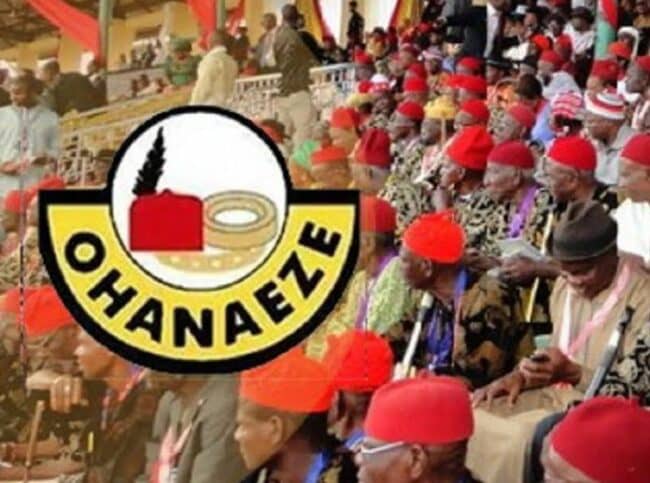
The Ohanaeze Ndigbo, a prominent Igbo socio-cultural organization, has announced that Senator Dave Umahi’s impressive performance as Minister of Works will significantly influence Igbo voting patterns in the upcoming 2027 elections. According to Ohanaeze’s Secretary-General, Mazi Okechukwu Isiguzoro, the organization’s decision at the ballot box will prioritize tangible results and responsible leadership over party loyalties.

The current administration of President Bola Ahmed Tinubu has made significant strides in addressing the historical marginalization of Ndigbo, breaking away from tradition. For decades, the region suffered from severe underinvestment, with dilapidated roads hindering progress and threatening community safety and prosperity.

However, under President Tinubu’s leadership, the federal government has prioritized rehabilitation and construction of vital road networks in the Southeast. Notable projects include:

  • Makurdi-Nsukka Expressway
  • Night Mile-Enugu Expressway
  • Calabar-Ikot Ekpene Expressway
  • Aba Expressway
  • Anambra-Kogi Interstate
  • Enugu-Aba-Port Harcourt
  • Ohafia-Arochukwu

These initiatives demonstrate a commitment to infrastructure development, boosting the region’s socio-economic growth.

Ohanaeze Ndigbo acknowledges Senator Umahi’s dedicated efforts, which have restored confidence in governance across party lines. The organization urges Igbo voters to recognize these achievements as evidence of effective governance and regional development.

“As we advocate for Nigeria’s restructuring, including the creation of a sixth Southeast state, we must appreciate progress under President Tinubu, particularly in federal road networks,” said Mazi Okechukwu Isiguzoro.

Ohanaeze Ndigbo reaffirms its commitment to guiding votes based on tangible results and responsible leadership, aligning with aspirations for equity, progress, and unity.

NAN Says NNPCL Turnaround Is a Master Stroke By Tinubu

By: Ahmed Mohammed

The Northern Awareness Network (NAN) has commended the Nigerian National Petroleum Company Limited (NNPC Ltd) for its remarkable transformation under President Bola Ahmed Tinubu and Managing Director Mele Kyari’s leadership.

NAN Chairman Salihu Sulaiman praised NNPC Ltd’s restructuring, which involved discharging certain officers and appointing new leaders based solely on expertise and merit. This move signals a commitment to operational excellence and financial sustainability, crucial for success in the international oil and gas market.

“The NNPC Ltd’s transformation is a testament to the power of visionary leadership and good governance,” Sulaiman said. “We commend Mr. Kyari’s dedication to fulfilling the organization’s and nation’s aspirations, citing his effective leadership and visionary approach.”

President Tinubu and the nation’s security agencies received commendation for their decisive leadership in implementing these reforms. These steps are vital in strengthening NNPC Ltd and revitalizing Nigeria’s energy sector, leading to improved financial performance and broader economic prosperity.

The NAN emphasized addressing challenges in other key sectors, particularly agriculture. They urge the Federal Government to prioritize agricultural reforms, ensuring self-sufficiency in food production and overall economic prosperity.

“The NNPC Ltd’s success story serves as a model for other public institutions,” Sulaiman added. “We envision a future where Nigeria meets its energy needs and becomes a leader in food production, contributing to citizens’ and the global community’s well-being.”

The NAN reaffirmed its commitment to promoting the North’s and Nigeria’s development, praising NNPC Ltd’s transformation as a shining example of excellence in public service.

“This achievement demonstrates that with the right leadership and commitment, Nigeria’s public institutions can drive growth, prosperity, and national development,” Sulaiman concluded.

Ohanaeze Ndigbo Slams Zamfara Governor Over Alleged Witch-Hunt Against Defence Minister”*

By Musa Moses

The apex Igbo socio-cultural organization, Ohanaeze Ndigbo, has condemned the alleged political persecution of Defence Minister, Dr. Bello Matawelle, by Zamfara Governor, Dauda Lawal.

The protests, held in Abuja, demanded Dr. Matawelle’s removal amidst the ongoing crisis of banditry in Zamfara State. Ohanaeze Ndigbo views this as a gross misuse of taxpayer resources, shifting attention away from the pressing challenges faced by the people of Zamfara, where rampant banditry continues to threaten lives and livelihoods.

The organization urged Governor Lawal to prioritize the safety of all citizens, including the Igbo community, threatened by banditry. Ohanaeze Ndigbo emphasized that collaboration between the state and federal governments is crucial for achieving lasting peace. They called on Governor Lawal to put aside political differences and work with Dr. Matawelle to enhance security operations against banditry.

Ohanaeze Ndigbo’s history dates back to 1976, formed to represent the interests of all Igbo communities within and outside Nigeria. Although not a political party, one of its main objectives is to foster unity among its members to effectively represent the political interests of Igbos in Nigeria.

Key Points:

  • Ohanaeze Ndigbo Condemns Political Persecution: The organization denounced the alleged political persecution of Defence Minister, Dr. Bello Matawelle, by Zamfara Governor, Dauda Lawal.
  • Misuse of Taxpayer Resources: Ohanaeze Ndigbo views the protests as a gross misuse of taxpayer resources.
  • Prioritizing Security: The organization urged Governor Lawal to prioritize the safety of all citizens.
  • Collaboration for Peace: Ohanaeze Ndigbo emphasized the need for collaboration between state and federal governments.