‘A Pillar of Unity’: Peace Forum Applauds Yari’s Role in Calming Northern Conflicts


The International Peace Advocacy Forum (IPAF) has described Senator Abdul Aziz Yari as “a pillar of unity” for his sustained efforts in promoting peace, rebuilding trust, and strengthening interreligious harmony across Northern Nigeria.

In a statement issued by its Chairman, Dr. Emmanuel Haruna, the group commended the former Zamfara State Governor for demonstrating what it called “remarkable and consistent leadership” through deliberate engagements with both Christian and Muslim communities in some of the region’s most fragile areas.

IPAF noted that Senator Yari’s outreach to churches, displaced families, survivors of insurgency attacks, and victims of banditry has not only brought comfort to traumatized communities but has also helped reduce tensions and promote peaceful coexistence.

“As a former governor and now a serving senator, Senator Yari has shown uncommon courage and empathy in standing with vulnerable populations,” the statement read. “His commitment to protecting Christian communities during periods of intense insecurity remains exemplary and deserves national recognition.”

According to IPAF, Yari’s interventions over the years have played a stabilizing role in several conflict-hit communities, fostering dialogue, encouraging tolerance, and strengthening community resilience at a time when Northern Nigeria continues to struggle with complex security threats.

The forum urged political, religious, and community leaders across the country to emulate Senator Yari’s inclusive and bridge-building leadership style, which it described as vital for strengthening national unity and preventing further polarization.

It further reaffirmed its commitment to collaborating with stakeholders to deepen peace-building initiatives and bolster social harmony across Nigeria.

Sheriff Oborevwori: Delta’s Governor Delivering Tangible Transformation


Since assuming office on May 29, 2023, Governor Sheriff Oborevwori has emerged as one of Nigeria’s most notable performing governors. His administration’s “MORE Agenda” — Meaningful Development, Opportunities for All, Realistic Reforms, and Enhanced Peace and Security — has provided a clear roadmap for governance, translating plans into tangible outcomes across infrastructure, social welfare, and fiscal management.

Delta State under Governor Oborevwori is proving that clear vision and disciplined execution can deliver real change.

In every sector, the driver of the M.O.R.E Agenda — the Executive Governor of Delta State, Chief Sheriff Oborevwori — has demonstrated unrivaled competency, unflinching capacity, and unwavering clarity of purpose.

Infrastructure Delivery: Roads, Bridges, and Connectivity

The Oborevwori administration has placed strong emphasis on large-scale infrastructure development. Over 510 road and bridge projects covering nearly 1,450 km are ongoing, with many already completed in less than two and a half years of his tenure.

Major urban interchanges such as PTI Junction, DSC Roundabout, and Enerhen Junction have been redesigned for improved mobility. Significant projects now link surrounding towns and villages to the state capital, Asaba — a testament to the governor’s commitment to inclusive development.

Rural and riverine areas are receiving critical connectivity projects, ensuring balanced development. These initiatives enhance commerce, mobility, and the quality of life for Delta residents. From urban centres to rural communities, Delta State is witnessing infrastructure that truly connects its people.

Fiscal Discipline and Economic Growth

Delta State has recorded major fiscal gains under Governor Oborevwori. Internally Generated Revenue (IGR) increased from ₦83 billion in 2023 to ₦158 billion in 2024.

The state’s debt profile dropped from ₦465 billion to ₦249 billion, reflecting focused fiscal discipline. Yet, infrastructure development continues at scale without excessive borrowing. These figures reflect prudent resource management alongside massive development.

People-Centred Governance

Oborevwori’s administration places strong emphasis on human capital and social inclusion. Within less than 30 months, thousands of teaching and non-teaching staff have been recruited across Delta’s LGAs.

The governor has also expanded student bursaries, as well as technical training and skill acquisition centres statewide. Social programs — including empowerment grants and monthly stipends for vulnerable groups — have reached tens of thousands across all LGAs.

Governor Oborevwori’s policies make clear that no community or citizen should be left behind.

Promoting Peace and Inclusive Governance

Understanding that development thrives on peace, Governor Oborevwori maintains close engagement with traditional rulers, youth groups, and community stakeholders to sustain unity and harmony across the state.

A defining principle of his administration is accountability — removing underperforming officials and sanctioning erring staff. His insistence on a Delta State that works for all has driven multiple urban and rural projects across the three senatorial zones. The state has effectively become a large construction site under his leadership.

Recognition and National Credibility

Governor Oborevwori’s accomplishments have earned him several national recognitions. He was named Governor of the Year 2024 by multiple media organisations including Thisday Newspapers and Arise TV Group, Vanguard Newspapers, Silverbird Group, The Sun, and News Telegraph.

In 2025, he received the Most Prolific Governor of the Year award from the Democracy Heroes Award. Elder statesmen and civic leaders have also commended his visible achievements, underscoring his clarity of purpose and delivery capacity.

Challenges and the Road Ahead

While significant progress has been recorded, challenges remain. Governor Oborevwori is committed to sustaining quality infrastructure, creating more jobs, strengthening rural economies, and deepening transparency and citizen engagement.

His bold intervention in federal road projects — including the recent flag-off of the construction of the Benin-Sapele Road — is a testament to his determination to address issues that directly affect Deltans.

Governor Sheriff Oborevwori has demonstrated that purpose-driven leadership delivers results. Delta State’s transformation under his watch is evident, measurable, and enduring. With Governor Sheriff, M.O.R.E is assured.

Dr. Emmanuel Ashikodi
Concerned Professionals for Good Governance (A Good Governance Advocacy Group)

Drama Unleashed in Abuja: Amaechi and Shehu Sani Explode in Verbal War Over Tinubu’s Government

A heated exchange ensued on Monday in Abuja between former Minister of Transportation, Rt. Hon. Chibuike Rotimi Amaechi, and former Kaduna Central Senator, Shehu Sani, during the National Electoral Reforms Summit 2025, as both clashed over the performance of President Bola Ahmed Tinubu’s administration.

Amaechi, in his remarks at the summit organized by the Movement for Electoral Reform, took a swipe at the current administration, describing it as “insensitive to the yearnings of Nigerians.” He lamented the worsening hardship across the country, accusing the government of failing to deliver good governance and protect citizens from economic suffering.

“People are suffering, yet there is no ASUU, no NLC, no NANS to mount pressure on the government. Nigerians are quiet when they should be demanding accountability,” Amaechi said, warning that Tinubu’s government is “defeatable” through democratic means.

However, his comments immediately drew a strong reaction from Senator Sani, who accused Amaechi of hypocrisy, reminding him of his own record in public service.

“You were part of governance from the state to the centre for many years, with little or no remarkable achievement,” Sani fired back. “You are now attacking Nigerians for not protesting, but you yourself never led any protest when you were in power.”

The former lawmaker argued that many of the challenges now blamed on Tinubu’s administration were created by previous leaders — including those who served under both the PDP and APC governments since 1999.

“All that he is pointing out as bad were problems created by leaders like him. It is ironic that after two years out of power, he has suddenly become a critic,” Sani added.

The National Electoral Reforms Summit 2025, held in Abuja, brought together politicians, civil society leaders, and electoral experts to deliberate on strengthening Nigeria’s democratic institutions ahead of future elections.

Other notable participants included Dr. Usman Bugaje, IPAC Chairman Peter Ameh, former SDP presidential candidate Prince Adewole Adebayo, Dr. Yunusa Tanko, Dr. Oby Ezekwesili, and Senator Eyinnaya Abaribe.

The fiery Amaechi–Sani exchange became the highlight of the summit, drawing mixed reactions from attendees who described it as a reflection of the growing ideological and moral divides within Nigeria’s political elites.

Firestorm in Abuja: Amaechi, Shehu Sani Clash Bitterly Over Tinubu’s Government

A heated exchange ensued on Monday in Abuja between former Minister of Transportation, Rt. Hon. Chibuike Rotimi Amaechi, and former Kaduna Central Senator, Shehu Sani, during the National Electoral Reforms Summit 2025, as both clashed over the performance of President Bola Ahmed Tinubu’s administration.

Amaechi, in his remarks at the summit organized by the Movement for Electoral Reform, took a swipe at the current administration, describing it as “insensitive to the yearnings of Nigerians.” He lamented the worsening hardship across the country, accusing the government of failing to deliver good governance and protect citizens from economic suffering.

“People are suffering, yet there is no ASUU, no NLC, no NANS to mount pressure on the government. Nigerians are quiet when they should be demanding accountability,” Amaechi said, warning that Tinubu’s government is “defeatable” through democratic means.

However, his comments immediately drew a strong reaction from Senator Sani, who accused Amaechi of hypocrisy, reminding him of his own record in public service.

“You were part of governance from the state to the centre for many years, with little or no remarkable achievement,” Sani fired back. “You are now attacking Nigerians for not protesting, but you yourself never led any protest when you were in power.”

The former lawmaker argued that many of the challenges now blamed on Tinubu’s administration were created by previous leaders — including those who served under both the PDP and APC governments since 1999.

“All that he is pointing out as bad were problems created by leaders like him. It is ironic that after two years out of power, he has suddenly become a critic,” Sani added.

The National Electoral Reforms Summit 2025, held in Abuja, brought together politicians, civil society leaders, and electoral experts to deliberate on strengthening Nigeria’s democratic institutions ahead of future elections.

Other notable participants included Dr. Usman Bugaje, IPAC Chairman Peter Ameh, former SDP presidential candidate Prince Adewole Adebayo, Dr. Yunusa Tanko, Dr. Oby Ezekwesili, and Senator Eyinnaya Abaribe.

The fiery Amaechi–Sani exchange became the highlight of the summit, drawing mixed reactions from attendees who described it as a reflection of the growing ideological and moral divides within Nigeria’s political elites.

Shehu Sani to Washington Post: “Trump Was Misled by Anarchists; Nigeria Will Defeat Terrorism”

Former Kaduna Central Senator, Shehu Sani, has faulted former U.S. President Donald Trump over what he described as a “misleading narrative” about Nigeria’s internal security situation, stating that the country will eventually overcome terrorism despite challenges.

In an interview granted to the Washington Post, Sani stated that Trump had been “misinformed and misled by anarchists and propagandists” who distort Nigeria’s realities for political or ideological purposes.

According to the outspoken activist, “Trump’s views about Nigeria and its leadership were shaped by people who thrive in chaos and division. They present a one-sided picture of insecurity and ignore the courage and resilience of Nigerians confronting terrorism daily.”

Sani, who served in the 8th National Assembly and is a well-known human rights campaigner, emphasized that while Nigeria still faces serious threats from insurgents and bandits, the country’s security agencies and citizens remain united in their determination to restore peace and stability.

“Nigeria will defeat terrorism. It may take time and sacrifice, but the people have refused to surrender to fear,” Sani told the Washington Post. “Our diversity and democracy remain stronger than the hate and violence of extremists.”

He also urged the international community, including the United States, to avoid adopting biased reports and instead support Nigeria’s efforts through intelligence sharing, humanitarian assistance, and balanced diplomacy.

Sani further noted that the fight against terrorism requires both military strategy and social justice, stressing that addressing poverty, unemployment, and corruption is essential to achieving lasting peace.

The former lawmaker’s comments come amid renewed global attention to Nigeria’s security situation, following a series of foreign commentaries that have drawn mixed reactions from citizens and policymakers.

Sani concluded by warning against what he termed “weaponization of misinformation” against African nations, saying it undermines democracy and fuels instability.

“Nigeria’s story should be told by Nigerians, not by those who profit from its pain,” he said.

FGDN Urges EU, China, UK, Canada to Impose Visa Ban on Social Media Attackers

The Forum for Growth and Development of Nigeria (FGDN) has urged the European Union (EU), the United Kingdom (UK), the People’s Republic of China, and Canada to impose visa restrictions on individuals engaging in what it described as “coordinated social media attacks” against the organization and its leadership.

In a statement signed by its National Coordinator, Dr. Adams Shaiza Musa, and made available to journalists in Kaduna, the group expressed deep concern over what it termed an increasing wave of “malicious and unhealthy” online campaigns targeted at both local and international organizations.

According to the statement, FGDN—known for its advocacy for national unity, good governance, and youth empowerment—said it has recently noticed some “unwarranted and orchestrated online assaults” aimed at discrediting international organizations.

“We are disturbed by the level of hate speech and false narratives being peddled on social media against several organizations. These attacks are not only defamatory, but also capable of inciting divisions and discouraging civic engagement between patriotic Nigerians and international communities,” the statement read.

While reaffirming support for the constitutional right to freedom of expression, the group stressed that such freedom must be exercised responsibly and within the bounds of truth and decency. It warned that the abuse of digital platforms to spread misinformation and launch personal attacks poses a threat to national unity and social cohesion.

“We call on the embassies of the EU member states, China, the United Kingdom, and Canada to take note of individuals who habitually use the internet to malign others. They should be denied visas and international privileges until they desist from such unethical conduct,” FGDN stated.

The group also called on relevant Nigerian agencies, including the National Information Technology Development Agency (NITDA) and the Nigerian Communications Commission (NCC), to strengthen regulatory measures governing online communication in order to curb misinformation and cyberbullying.

However, it reaffirmed FGDN’s commitment to promoting development-oriented dialogue, civic education, and initiatives that foster peace and social progress across Nigeria.

“FGDN remains focused on its mission to contribute positively to national development. We will not support those who seek attention through baseless accusations. Our objective is to unite Nigerians with international communities around ideas that can move the nation forward,” he said.

The statement concluded with an appeal to media practitioners and social commentators to verify information before publishing or sharing it online, urging them to uphold ethics and professionalism in their work.

A Bold Step in Non-Kinetic National Security: Commending DSS and the DG on the N50,000 Cash Empowerment Initiative for 7,774 Vulnerable Nigerians

In a nation where economic hardship continues to test the resilience of its people, the Department of State Services (DSS) under the visionary leadership of Director General Mr. Adeola Oluwafemi Ajayi, has once again demonstrated that true security transcends the barrel of the gun. The recent announcement of a N50,000 one-time cash assistance to 7,774 carefully selected vulnerable Nigerians, 10 from each of the 774 local government areas stands as a landmark achievement in the annals of non-kinetic security operations in Nigeria.

This initiative, totaling approximately N388 million, is not merely a welfare gesture, it is a masterstroke in nation-building, social inclusion and sustainable peace.

The Nineteen Seventeen Northern Consensus Movement for Peace, Unity, Empowerment and Development Initiative (NSNCM) wholeheartedly commends the DSS and its Director General for this people-centered intervention. By deliberately targeting the “poorest of the poor”, widows, the elderly, persons with disabilities, the unemployed, and those burdened by medical challenges. It recognizes that hunger, despair and exclusion are fertile grounds for unrest, radicalization and criminality. In providing direct financial relief, the DSS is not only alleviating immediate suffering but is also fortifying the social fabric of our beloved country.

The selection process itself deserves special praise. Unlike many top-down interventions that often bypass the most deserving, the DSS adopted a grassroots, consultative approach. Security heads, traditional rulers, religious leaders, local government officials, and community stakeholders were all involved in identifying beneficiaries. This ensures transparency, fairness, and cultural relevance. When an 80-year-old grandfather like Pa Segun in the Southwest receives his N50,000 with tears of gratitude, it is not just money changing hands, it is dignity being restored, hope being rekindled, and loyalty to the state being reinforced.

For the beneficiaries, this N50,000 is far more than a cash transfer, it is a lifeline with transformative potential. In rural communities where daily income barely exceeds N500, this sum can cover three months of basic food needs for a family of five. A widow in Sokoto can now purchase grains, cooking oil, and medicine without begging. An unemployed youth in Ebonyi can use the funds to start a small poultry or vegetable farm, generating sustainable income. A disabled artisan in Kano can acquire tools to resume his trade. These are not abstract possibilities, they are real pathways out of poverty, made possible by the DSS’s foresight.

Moreover, this initiative aligns perfectly with global best practices in countering violent extremism. Research from the United Nations and the Institute for Economics and Peace consistently shows that economic empowerment reduces vulnerability to recruitment by criminal or terrorist groups. When citizens feel seen, supported, and valued by state institutions, they become active defenders of peace. The DSS, through this program, is building a human security firewall and deserve our commendation for that. We particularly applaud the DG’s emphasis on “winning hearts and minds.” This is leadership with empathy.

In a time when security agencies are often criticized for heavy-handedness, Mr. Ajayi has shown that strength also lies in compassion. By investing nearly N400 million of its resources into direct citizen support, the DSS is setting a powerful example for other agencies and tiers of government. We call on state governors, local government chairmen, and federal ministries to emulate this model. Imagine the impact if every security outfit in Nigeria allocated just 1% of its budget to similar empowerment schemes.

As the National President of the Nineteen Seventeen Northern Consensus Movement, I urge the DSS to sustain and expand this initiative. Future phases could include skills training, micro-credit follow-ups, and digital literacy programs to ensure long-term self-reliance. We also recommend the establishment of a public monitoring framework, perhaps through civil society partnerships to track outcomes and share success stories nationwide.

In conclusion, the DSS N50,000 cash assistance program is without doubt a beacon of hope in Nigeria’s development journey. It proves that security is not just about intelligence and enforcement but about justice, equity and human dignity.

On behalf of the Nineteen Seventeen Northern Consensus Movement for Peace, Unity, Empowerment and Development Initiative (NSNCM), I extend our deepest gratitude to Director General Adeola Ajayi and the entire DSS family. May this initiative inspire a new era of inclusive governance where no Nigerian is left behind.

Dr Awwal Abdullahi Aliyu
Sarkin Yakin Kanya Babba,
National President
Nineteen Seventeen Northern Consensus Movement For Peace, Unity, Empowerment and Development Initiative (NSNCM)

God, Guns and Geopolitics: Trump’s Nigeria’s Gambit Rocks Diplomacy

By Aminu Hussaini Sagagi

“The U.S’s accusation of alleged “Christian Genocide” against Nigeria with a threat of possible military action against the country would constitute a breach of International Law.
Analysts warn that, without recourse to any United Nation’s declaration, however noble the US unilateral intervention might seem within the country’s public policy perspective, the “action” smacks of violation of the very principles that sustain the global order.
Barrister Aminu Hussain Sagagi in this article highlights why Kano State Government align with the Federal Government stand, examining how the US’s threat against Nigeria would further escalate strain relationship and the resultant effect may lead Nigeria to embrace alternative global partners such as China or Russia – a shift that could reshape the regional alliances”.

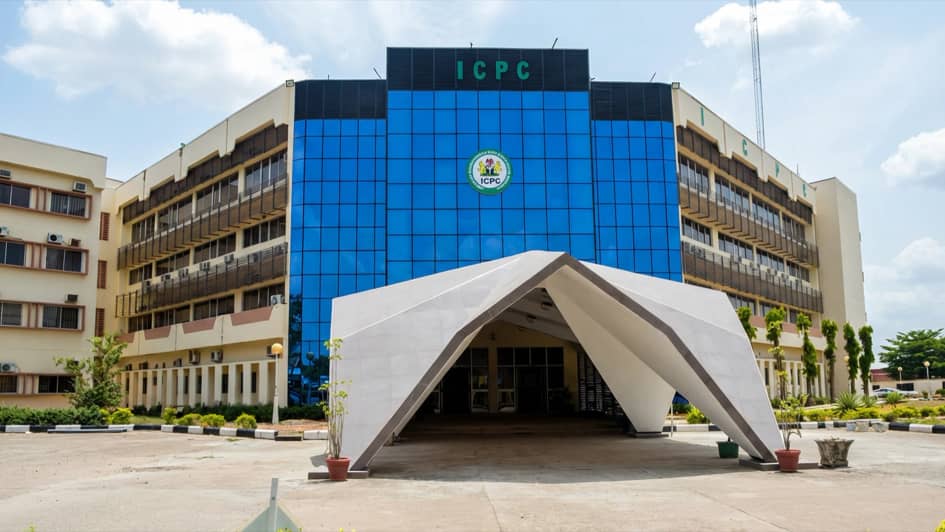
In a move that has sent ripples through diplomatic circles across Africa, U.S. President Donald J. Trump has designated Nigeria a “Country of Particular Concern” (CPC) under U.S. religious-freedom laws, alleging a “genocide of Christians.” He also warned of possible U.S. military action, a statement that has sparked intense debate over international law, sovereignty and the limits of moral intervention in global affairs.
Trump, speaking via his Truth Social platform, accused Nigeria’s leadership of “turning a blind eye” to the alleged killings of Christians, calling the situation “an existential threat to Christianity.” The U.S. Department of State confirmed that the designation was made under the International Religious Freedom Act of 1998, which enables sanctions against nations found to be violating religious freedom in a “systematic and egregious” manner.

The Federal Government of Nigeria, under President Bola Ahmed Tinubu, has rejected both the allegations and the label, describing them as “misinformed and unfounded.” Officials insist that Nigeria remains committed to protecting citizens of all faiths and that the violence ravaging parts of the country stems from terrorism, banditry and resource competition, not state-sponsored religious persecution.

Amid the diplomatic storm, the Kano State Government, led by His Excellency, Alhaji Abba Kabir Yusuf, has declared its full solidarity with the Federal Government and the People of Nigeria. In a statement issued in Kano, Governor Yusuf reaffirmed the State’s unwavering loyalty to the Nigerian federation and condemned attempts to portray the nation as a site of religious genocide. “Nigeria is a united and resilient country where Christians and Muslims have lived together for generations,” the statement read. “Kano stands firmly with the Federal Government in defending our sovereignty, our diversity and our dignity in the comity of nations.”
While the CPC designation itself is primarily diplomatic, Trump’s accompanying threat of deploying U.S. forces has raised serious legal questions. Under Article 2(4) of the United Nations Charter, member States are prohibited from using or threatening force against the territorial integrity of another Member State unless in self-defence or with UN Security Council authorization. Without Nigeria’s consent, analysts warn, any U.S. military action would constitute a breach of International Law.
Nigeria is not a failed State; any unilateral intervention, however noble it may seem within the public policy perspective of the USA or Europe, would violate the very principles that sustain the global order.

The use of the term genocide is particularly contentious. Under the Genocide Convention of 1948, genocide requires proof of intent to destroy, in whole or in part, a national, ethnic or religious group. Human-rights organizations acknowledge that Nigeria faces severe insecurity – including attacks by Boko Haram, ISWAP and armed militias – but warn against oversimplifying the conflict as one of religion.
The violence affects Muslims and Christians alike. It’s driven by a noxious mix of poverty, climate stress, extremism and weak governance – not by any single religious agenda.

The U.S. move risks straining one of its most strategic relationships in Africa. Nigeria is a key partner in counterterrorism, regional stability and economic development. The Nigerian Senate has called for calm diplomacy, urging engagement with Washington. The African Union has also expressed concern, warning that “unilateral actions under humanitarian pretexts” could undermine African sovereignty and set troubling precedents.
Should relations deteriorate further, experts warn, Nigeria could pivot toward alternative global partners such as China or Russia – a shift that could reshape regional alliances.
Trump’s rhetoric has revived the age-old debate about the intersection of morality and power in international relations. Proponents say Washington is right to speak out against persecution, while critics argue that selective interventions erode credibility and risk weaponing human rights.
“Religious freedom is an important value,” says Dr. Samuel Adebayo, a Nigerian diplomat and governance scholar. “But turning moral advocacy into a pretext for coercion blurs the line between protection and interference.”

For now, Nigeria’s leadership – buoyed by broad domestic support, including that of Kano State and other subnational governments – appears united in rejecting the U.S. narrative. While sanctions or diplomatic restrictions could follow, actual military action remains unlikely and legally indefensible without UN approval or Nigerian consent.
As Nigeria continues to confront terrorism, inequality and communal conflicts, its leaders insist that reform and reconciliation must come from within – not through threats from abroad. The unfolding episode, analysts say, will test not just Nigeria’s resilience, but also the world’s commitment to the delicate balance between sovereignty and global conscience.

Barrister Aminu Hussaini is a Special Adviser on Justice/Constitutional Matters to His Excellency, the Executive Governor of Kano State, Alhaji Abba Kabir Yusuf

Southern and Middle Belt Leaders Back Trump’s Religious Persecution Alert, Urge Tinubu to Reform Security and Free Nnamdi Kanu

Samuel forani

Abuja

– The Southern and Middle Belt Leaders Forum (SMBLF) has expressed serious concern over the recent designation of Nigeria by United States President Donald Trump as a Country of Particular Concern (CPC) due to alleged widespread persecution of Christians, even as it opposed any form of foreign military intervention in the country.

In a communiqué issued at the end of its National Caucus meeting held on Saturday, November 2, 2025, the Forum described Trump’s designation as a “wake-up call” to the Federal Government to act decisively in halting what it called “the ongoing mayhem and killings” across the country.

The meeting, which brought together leaders of the four major socio-cultural and political blocs—Afenifere, Ohanaeze Ndigbo, the Middle Belt Forum, and PANDEF—was convened to discuss matters of urgent national importance, particularly the US designation, insecurity, and the political direction of Nigeria ahead of the 2027 general elections.

According to the communiqué signed by HRM Oba Oladipo Olaitan, Leader of Afenifere; Dr. Bitrus Pogu, President of the Middle Belt Forum; Senator John Azuta-Mbata, President-General of Ohanaeze Ndigbo Worldwide; and H.E. Ambassador Godknows Igali, National Chairman of PANDEF, the Forum noted that while Nigeria must reject external interference, it must equally confront internal threats that have destroyed lives and displaced communities.

“The SMBLF notes with very serious concern the designation by the US President Donald Trump of Nigeria as a Country of Particular Concern over religious persecution against Christians,” the communiqué stated.

The leaders affirmed their opposition to any “unsolicited foreign military intervention in Nigeria over any matter.” However, they described the CPC designation as a serious warning to the authorities in Abuja to take full responsibility for restoring order, justice, and equity in the handling of national security.

“We consider the designation of Nigeria as a Country of Particular Concern a wake-up call to the Federal Government to pursue with a sense of urgency and responsibility halting the ongoing mayhem and killings,” the communiqué read.

The Forum specifically called on the government to confront and dismantle the various militias, killer herdsmen, and Islamist terrorist groups that have been blamed for massacres and land seizures in parts of the country. It urged the administration to “restore occupied lands to their rightful owners of all faiths and ethnic nationalities,” naming Benue, Plateau, Southern Kaduna, Taraba, Gombe, Southern Borno, and Southern Kebbi as areas most affected by the violence.

Call for Security Sector Reforms

While acknowledging the recent reshuffling of the nation’s Service Chiefs, the SMBLF said the move was welcome but insufficient. The Forum called on the President to extend the reform process to other key defence and security institutions, particularly the Office of the National Security Adviser (ONSA), the Minister of Defence, and the Minister of State for Defence.

According to the Forum, these strategic positions “are presently occupied by persons from one section of the country,” a situation that does not reflect Nigeria’s ethnic and regional diversity.

“This will not only ensure a comprehensive overhaul of the national defence architecture but also reflect the diversity of the country,” the communiqué declared.

Nnamdi Kanu’s Continued Detention

On the issue of detained IPOB leader Nnamdi Kanu, the SMBLF reaffirmed its commitment to Nigeria’s unity but criticized what it described as the excessive military response by previous administrations to peaceful agitations.

“SMBLF restates its commitment to the unity and continued coexistence of the Nigerian Federation wherein every citizen and constituent ethnic nationality will be equally respected and have genuine sense of belonging,” the statement read.

The Forum recalled that Kanu’s agitation began peacefully but was “radicalised by ill-advised and excessive military responses codenamed operations ‘Crocodile Smile’ and ‘Python Dance’ by the erstwhile Buhari administration.” These military campaigns, the group argued, forced Kanu into exile, leading to his arrest in Kenya, rendition to Nigeria in 2021, and ongoing prosecution since then.

Without prejudice to his trial, the Forum urged the current President to adopt a more conciliatory and statesmanlike approach to the issue by directing the Attorney-General of the Federation to activate constitutional mechanisms for Kanu’s release.

“The release of Nnamdi Kanu will be a salutary directive in the interest of the most needed national rehabilitation and peace,” the communiqué emphasized.

The leaders stressed that resolving the Kanu question would go a long way in reducing ethnic tension and rebuilding trust in the Nigerian state, especially among the Igbo people of the Southeast who feel politically and economically marginalized.

2027 Presidential Election

Turning to the political horizon, the SMBLF reiterated its earlier resolution from 2021 that the presidency should rotate to the South, insisting that the principle of power rotation must continue into the 2027 elections to ensure fairness, equity, and stability.

“SMBLF recalled its decision in 2021 that the President of Nigeria in the 2023 election should be from the Southern part of the country in demonstration of our commitment to restructuring and national stability,” the communiqué stated.

The Forum added that the same principle should guide the 2027 election, describing rotational presidency as “an established national political culture” that helps preserve unity in a multi-ethnic federation like Nigeria.

“The decision should remain applicable to the 2027 Presidential Election for the same reasons,” it said, commending political parties that have already aligned with this zoning arrangement.

The leaders urged all political actors to respect the spirit of inclusion by recognizing that equitable power-sharing among the country’s diverse regions was vital for sustaining democracy and peace.

A Call for National Renewal

In conclusion, the SMBLF emphasized that the Federal Government must rise above political divisions and religious sentiments to address Nigeria’s growing insecurity, economic hardship, and the erosion of trust between its various ethnic groups.

The Forum urged President Tinubu to take Trump’s CPC designation not as an insult but as a challenge to demonstrate leadership by tackling the root causes of Nigeria’s violent conflicts—impunity, religious extremism, and institutional bias.

It also encouraged citizens to reject narratives of hate and division, calling instead for a “national reawakening” where every Nigerian feels protected and represented regardless of faith or ethnicity.

The communiqué was signed and dated this 2nd day of November 2025 by HRM Oba Oladipo Olaitan (Afenifere), Dr. Bitrus Pogu (Middle Belt Forum), Senator John Azuta-Mbata (Ohanaeze Ndigbo Worldwide), and H.E. Ambassador Godknows Igali (PANDEF).

END

Nigeria’s Sovereignty, Our Unity: Responding to Threats of Foreign Intervention

When we first red the words of President Donald Trump on social media over the weekend that he may send U.S troops into Nigeria over what he described as “Christian killings” in this country, we felt more than surprise. We felt the sharp pang of a violation, not only of facts, but of our dignity as a sovereign nation.

We are saying this as plainly as possible: yes, Nigeria suffers insecurity. But no, we do not live under a campaign of targeted genocide against Christians. Violence in Nigeria is not shaped by faith alone. It is shaped by geography, by poverty, by criminal networks, and by terror groups who kill indiscriminately both Christians and Muslims, infact more Muslims have been killed by these groups than Christians.

When a foreign power threatens invasion or military action on behalf of one religious group, we must see it not as defence, but as interference. It risks dividing us further, weakening our national resolve, and eroding the principle that no external actor takes orders from a sovereign that will not give them. In that moment, we must remind ourselves: we are Nigerians first. United in diversity. Bound by shared citizenship.

President Trump has claimed there are “record numbers of Christians being killed in Nigeria,” suggesting U.S. military action could follow unless those “killings” stop. He even placed Nigeria once more on the so-called “Countries of Particular Concern” list, citing alleged religious freedom violations. When violence occurs in northern or central Nigeria, it may strike Christian communities, especially in mixed-religion zones, but the pattern is not one of religious extermination. It is instead a pattern of insecurity that fails us all. It undermines farmers, destroys villages, displaces families and leaves both Christians and Muslims reeling in pain and anguish.

We must state clearly: Nigeria is a sovereign state. We do not take orders from another sovereign, whether in rhetoric or in action. If any foreign leader believes that military operations can simply be imposed on Nigeria because of alleged human rights violations, then that undermines our constitutional independence. If the U.S. has concerns about religious freedom or violence, there are diplomatic channels, partnership frameworks, multilateral mechanisms. But they do not extend to invading a country under the banner of defence of one religious group. That is dangerous. It could set a precedent not just for Nigeria, but for all nations.

We also must remember: the United States itself faces severe internal challenges. Gun violence, domestic terrorism, civil unrest, fracturing communities etc. These are real issues within its own borders. It is somewhat ironic to issue threats of military intervention abroad while your own soil is grappling with violence. Perhaps America should look inward and address its challenges before brandishing threats against another country.

That said, we cannot dismiss the reality: Nigeria does face a ravaging insecurity crisis. Boko Haram, ISWAP, bandits, kidnappers, ethno-communal violence etc. These are real and they harm people, regardless of faith. We must acknowledge that the government, security forces, civil society and citizens are striving every day to curb the carnage.
There are efforts under way: military operations in the northeast, patrols in rural communities, peace-building dialogues, policing reforms, attempts at disarmament, investment in local conflict resolution mechanisms and coordination with international partners who support not through threats, but through capacity-building.

We must support that. We must urge it. Because while external threats of invasion are misguided, internal reform is both necessary and urgent. Our leaders must be held accountable. Our security architecture must be improved. Our communities must heal.

In this moment of tension, Nigerians must resist the temptation to divide along religious lines. We must reject false narratives that places Christians against Muslims or one region against another. Such division plays into the hands of violent actors which are the terrorists, the extremists, the opportunists, who thrive in fragmentation.

Let us instead remind ourselves of who we are: a country of over 200 million people, with many faiths and ethnicities, united by a shared aspiration for peace, security and development. When we say “security for all,” we mean every Nigerian, regardless of faith or tribe.

When foreign voices threaten intervention in the name of one group, we should see that as a call not to turn inward in anger alone, but to stand outward in solidarity. We must also call on our leaders to continue to fight insurgency, modernise our security forces, ensure justice for victims, invest in community protection and reform local governance. Let our security strategy be shaped by Nigerians first, with Nigerian consent, not by pressure applied from beyond our borders.

Conclusively, let us not celebrate the absurd idea that an American leader might invade our land for alleged failures that do not reflect the full picture. That kind of rhetoric divides more than it heals.
Instead, let us affirm our unity. Let us work harder to build a security architecture that protects all Nigerians. Let us demand good governance, efficient security service, and genuine justice. Let us resist external coercion, and stand tall under our own flag.

May we remain one people, one nation, committed to peace, justice and greater destiny under God Almighty.

Dr. Awwal Abdullahi Aliyu, President, Northern Consensus Movement for peace unity empowerment and Development initiative. NSNCM.