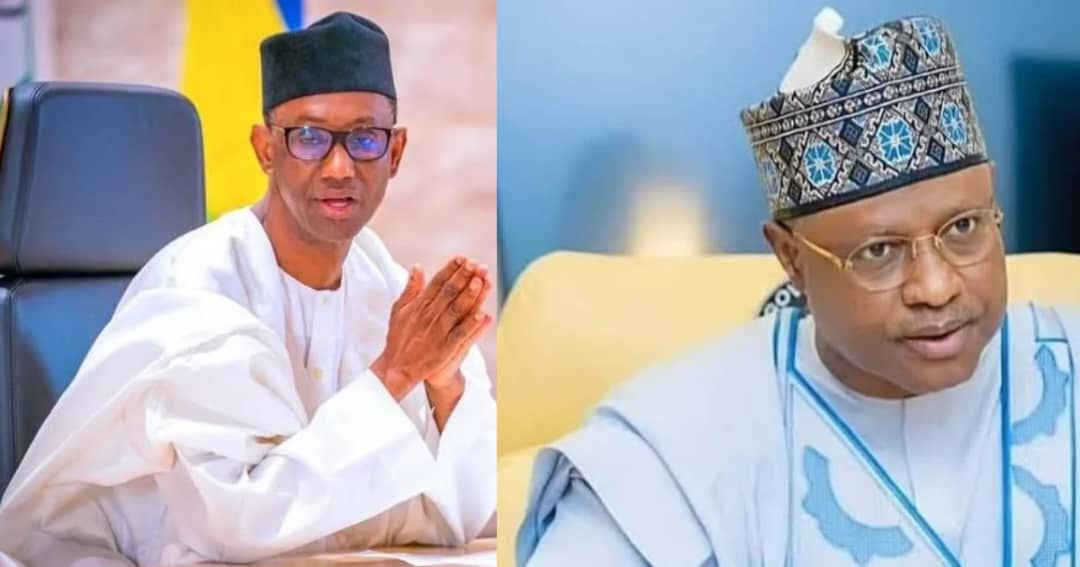
The Northern Professionals and Academics Forum (NPAF) has expressed strong support for recent remarks made by Kaduna State Governor, Senator Uba Sani, and the National Security Adviser, Malam Nuhu Ribadu, commending President Bola Ahmed Tinubu’s developmental strides across Northern Nigeria.
Speaking during the opening of a two-day interactive forum on government-citizen engagement organized by the Sir Ahmadu Bello Memorial Foundation (SABMF) at the historic Arewa House in Kaduna, Governor Sani lauded President Tinubu’s commitment to state-level development.
> “No Nigerian President has supported governors like President Bola Ahmed Tinubu,” Governor Sani said. “No governor will oppose him.”
Similarly, the National Security Adviser, Malam Nuhu Ribadu, highlighted significant improvements in the security landscape in Kaduna and neighboring states. He credited the synergy between federal and state security agencies for what he described as a “remarkable drop in banditry and kidnappings.”
Ribadu further noted that the enhanced security situation has restored public confidence in road travel, particularly among government officials and ordinary commuters previously deterred by insecurity.
In a statement signed by its Head of Communications, Hajiya Fatima Bello, the Northern Professionals and Academics Forum said the remarks by Sani and Ribadu were “honest and factual reflections” of President Tinubu’s visible efforts in Northern Nigeria.
> “Those attacking them for speaking the truth are nothing but enemies of the North,” the forum declared.
The forum emphasized that under President Tinubu’s leadership, Northern states are receiving increased federal support, enabling governors to embark on people-focused projects and pay workers’ salaries promptly.
> “It is obvious that under Tinubu’s leadership, Northern Nigeria is experiencing sustained focus on critical areas such as infrastructure, healthcare, education, and security,” the NPAF said.
> “Governor Uba Sani and Malam Ribadu have rightly highlighted these achievements, which align with our own assessments as professionals and scholars committed to the region’s progress.”
The group commended what it called President Tinubu’s “multi-dimensional approach” to governance, describing it as a “blueprint for inclusive development.”
> “We salute Governor Sani and Adviser Ribadu for spotlighting these successes, which are translating into real improvements in livelihoods and safety across the North,” the statement added.
However, the group expressed concern over what it termed “unnecessary sentiments” among some individuals in the region who, it alleged, continue to undermine the President’s efforts.
> “Rather than support national progress, some elements choose to politicize issues for selfish interests,” the statement warned.
The Northern Professionals and Academics Forum is a non-partisan network of over 1,500 experts, educators, and practitioners committed to advancing socio-economic development in Northern Nigeria through research, policy advocacy, and civic engagement.
Category Archives: Uncategorized
INDEPENDENT ENQUIRIES BY YOUTH REFORMATION AND LEADERSHIP SKILLS DEVELOPMENT FOUNDATION ON ALLEGATIONS AGAINST THE CHIEF OF ARMY STAFF
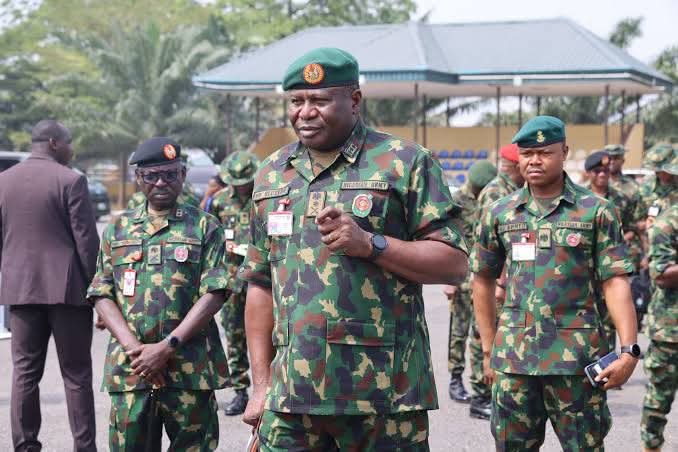
The Youth Reformation and Leadership Skills Development Foundation recently conducted independent enquiries regarding allegations levelled against the Chief of Army Staff, Lieutenant General Olufemi Oluyede, specifically focusing on personnel pay, allowances, and promotions. Our investigations aimed to provide a comprehensive overview of the current state of the Nigerian Army and the initiatives undertaken to enhance the welfare of its troops.
Commitment to Personnel Development
Lieutenant General Olufemi Oluyede has consistently demonstrated a robust commitment to uplifting the Nigerian Army through comprehensive training and retraining programs. These initiatives ensure that soldiers are adequately equipped to perform their duties and are prepared to meet future challenges. The focus on continuous professional development is essential for maintaining operational readiness and enhancing the overall effectiveness of the Army.
Structured Promotion Procedures
Promotions within the Nigerian Army are strictly governed by well-defined guidelines that prioritize merit, performance, and available vacancies, as detailed in the Armed Forces of Nigeria Harmonized Terms and Conditions of Service (HTACOS) Soldiers/Ratings/Airmen 2024. The Chief of Army Staff has steadfastly upheld these standards, ensuring that promotions are awarded based on hard work, efficiency, and compliance with established criteria.
Improved Pay and Allowances
During General Oluyede’s leadership, significant strides have been made in ensuring the prompt payment of salaries and addressing any outstanding arrears. The recent increase in Duty Tour Allowance (DTA) exemplifies the Army’s commitment to adequately compensating its personnel for their dedicated service. This measure not only boosts morale but also reflects an understanding of the financial challenges that soldiers and their families face.
Enhanced Living Conditions
The Chief of Army Staff has prioritized the construction and renovation of soldiers’ accommodations, hospitals, schools, and recreational areas. Such improvements are vital for fostering a supportive environment that promotes the health and well-being of service members and their families. By investing in essential facilities and amenities, General Oluyede aims to enhance the quality of life for troops.
Findings from Our Independent Assessment
Our independent fact-finding mission allowed us to engage in discussions with personnel across various military formations. The feedback received during these interactions provided valuable insight into the current state of the Nigerian Army.
Commendations and Appreciation
The findings reveal widespread commendation and appreciation for the initiatives implemented by the Chief of Army Staff, Lieutenant General Olufemi Oluyede. Personnel expressed satisfaction with his leadership style and acknowledged the tangible improvements in their working conditions and quality of life. Many voiced their loyalty and commitment to the Army and the nation while also expressing hopes for ongoing enhancements to their well-being.
Conclusion
In conclusion, the Nigerian Army, under the leadership of Lieutenant General Olufemi Oluyede, remains dedicated to the welfare of its personnel. The ongoing initiatives in training, promotion, pay adjustments, and facility improvements reflect a genuine commitment to excellence. The Army values the support and dedication of its personnel, and together, we will continue to pursue a more effective and prosperous service for the benefit of the nation.
E-Signed
Comrade Awwal Abdullahi Aliyu Director General
Middle Belt Forum Roars: “We Won’t Bow to the Sultan!” Rejects Senate Plot to Crown Sokoto Caliphate Over Nigeria’s Monarchs
By Sandra Ukeredi
Abuja
The Middle Belt Forum (MBF) has kicked against a controversial clause in the proposed National Council for Traditional Rulers of Nigeria (Establishment) Bill, 2024, which seeks to make the Sultan of Sokoto and the Ooni of Ife permanent co-chairmen of the council.
In a strongly-worded statement signed by its National Publicity Secretary, Luka Binniyat, and made available to journalists in Abuja on Saturday, the Forum described the move as an insult to the historical and cultural heritage of the Middle Belt region.
The bill, sponsored by Senator Simon Bako Lalong (Plateau South), has passed second reading in the Senate and is currently before the Committee on Establishment and Public Service. But the MBF has raised serious objections, particularly against the permanent placement of the Sultan, warning that it undermines the dignity and status of traditional rulers from the Middle Belt.
Historical Superiority of Middle Belt Monarchies
The Forum argued that many traditional institutions in the Middle Belt predate and surpass the Sokoto Sultanate in historical relevance and authority.
“For instance, the ancient Kwararafa Kingdom, whose modern-day representative is the Aku Uka of Wukari, existed centuries before the Sokoto Caliphate was even imagined,” Binniyat stated. “How can the Sultan, whose dynasty only emerged in the 1800s, be placed above our monarchs in a national hierarchy?”
The Forum also highlighted the Attah of Igala, whose kingdom flourished long before the Fulani jihad, and the Tor Tiv, whose acephalous people were never conquered by the Caliphate—underscoring their independent cultural legacy.
Religious Bias and Security Complicity
The MBF condemned the move to elevate the Sultan—who doubles as the spiritual leader of Nigerian Muslims—as a permanent co-chair, calling it a direct threat to Nigeria’s secular identity.
“Traditional rulers are guardians of culture, not extensions of religion,” the Forum noted. “Imposing a religious figure as a permanent traditional leader sends a clear message that Nigeria is drifting toward theocracy.”
The Forum also raised red flags about the Sultan’s role as patron of the Miyetti Allah Cattle Breeders Association (MACBAN), which has been linked to relentless attacks and bloodshed across the Middle Belt.
“The Sultan has never forcefully denounced the atrocities committed by herdsmen. Instead, he remains silent, while our people are being massacred,” the statement said.
We’ll Form Our Own Council
Warning of the consequences if the bill becomes law, the MBF stated plainly that Middle Belt traditional rulers will boycott the Council.
“We will not accept a council where our respected monarchs must bow before the Sultan. If this injustice is forced on us, we will respond by establishing our own Council of Middle Belt Traditional Rulers,” the Forum declared.
—
Demand for Rotational Leadership, Not Sultanate Supremacy
To ensure fairness, the Forum proposed that the leadership of the council be rotational across the six geopolitical zones or among Nigeria’s major ethnic groups.
“Why should two monarchs—one from the far North, one from the South-West—be permanently enthroned, while others are ignored? This violates the federal character principle and reeks of political domination,” Binniyat argued.
—
Conclusion
The Middle Belt Forum vowed to resist the bill using every legal and democratic instrument available, declaring that Nigeria’s fragile unity must be grounded in justice, balance, and mutual respect.
> “We will not allow history to be rewritten in favour of one dynasty while others are erased. This bill is an insult to Nigeria’s cultural mosaic, and we reject it totally,” the statement concluded.
Civil Groups Urge U.S. to Ignore Visa Ban Petition Against Edo Governor
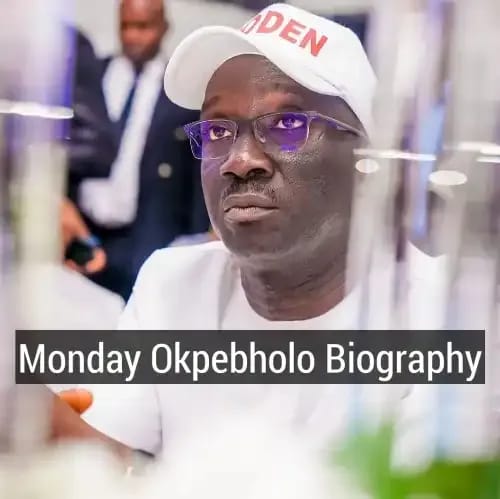
Civil society organizations under the aegis of the Coalition for Justice and Equity Forum have called on the United States Government to disregard a petition seeking a visa ban on the Governor of Edo State, Mr. Monday Okpebholo.
The petition, allegedly filed by unnamed political actors, urges the U.S. to impose travel restrictions on Governor Okpebholo and members of his immediate family. If granted, the ban would prevent them from entering the United States.
In a statement issued on Wednesday and jointly signed by Comrade Peter Okafor, the Chairman, and Comrade Musa Ndanusa, the Secretary,the Coalition described the petition as politically motivated and aimed at undermining the governor’s achievements and developmental efforts in Edo State.
“It is important that foreign governments, including the United States, recognize the political undertones of such petitions. Otherwise, we risk encouraging undue external interference in Nigeria’s internal affairs,” the statement said.
The group warned that approving such a petition could set a dangerous precedent where international diplomatic actions are used as tools in local political rivalries.
While reiterating the importance of international accountability, the Coalition cautioned against the misuse of foreign policy instruments for partisan agendas.
“We support global standards for justice and human rights, but those standards must not be manipulated for political witch-hunts,” the group added.
The Coalition called on the U.S. Government to uphold principles of fairness and due process in dealing with petitions from politically sensitive environments.
From Exile to Hope: Gbagyi Christians Set to Return to Kaduna Villages After Fulani Ceasefire
By: Our Reporter
(Kaduna) – At least 20,000 displaced Christians of the Gbagyi ethnic group are preparing to return to their ancestral homes in the violence-ravaged counties of Chikun and Birnin Gwari in Kaduna State, Northwest Nigeria, after six years in exile.
Their planned return comes in the wake of a controversial amnesty program announced by Governor Uba Sani of Kaduna State in November 2024, which granted clemency to Fulani ethnic militias—commonly referred to as “bandits”—who pledged to halt attacks on Christian communities.
A Journey of Courage and Uncertainty
Journalists joined a group of internally displaced persons (IDPs) on a reconnaissance mission to their former villages to assess safety for resettlement following the state’s peace accord with the Fulani militias.
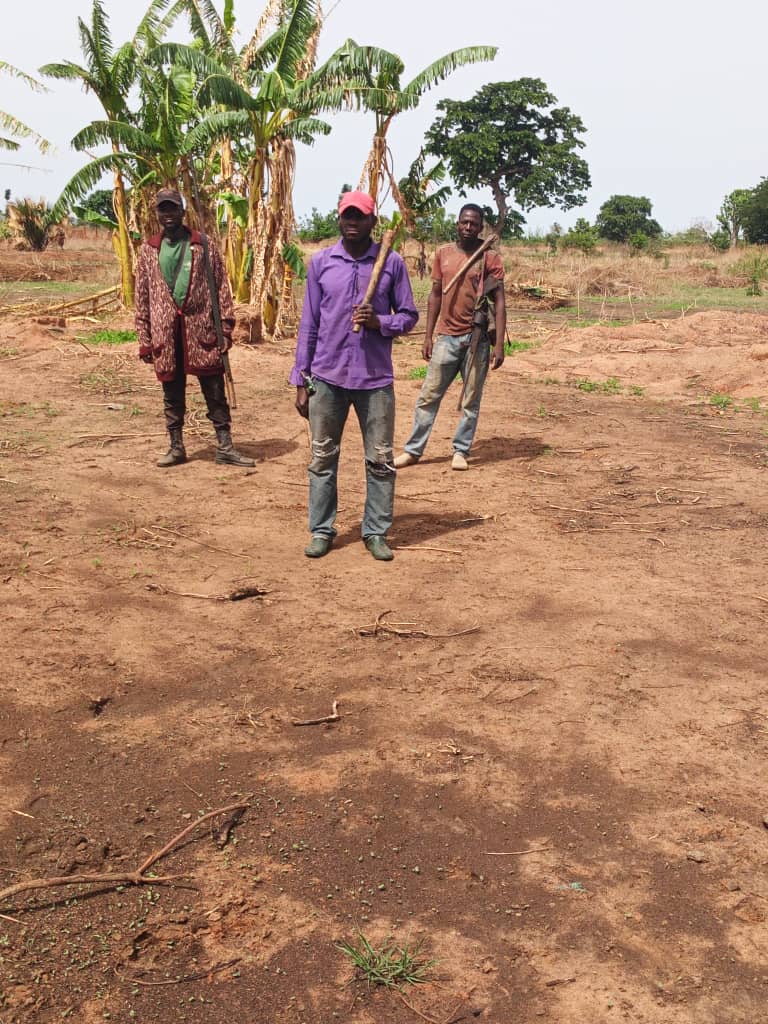
Riding on about 14 motorcycles and escorted by a dozen volunteer guards armed with locally-made shotguns, the convoy set out from Kaduna city and veered off the Kaduna–Birnin Gwari expressway onto a narrow, untarred track, flanked by savannah scrub and thornbush. Along the way, they passed through deserted villages.
The mission was organized under the Rumana and Environs Displaced Persons Development Association (REDPDA)—a grassroots body advocating for the safe return and rehabilitation of displaced Gbagyi communities.
Rumana Gbagyi: A Community in Ruins
The group arrived at the ruined village of Rumana Gbagyi, a once-vibrant community now blanketed in silence and decay.
“This is my village,” said Caleb Nayaro, 51, a senior civil servant with the Kaduna State Ministry of Works. “This is my first time here since January 2020.”
Nayaro pointed toward the ruins: collapsed homes, a vandalized primary school, two churches without roofs, and the remains of the community’s only clinic.
“We had everything—livestock, crops, peace. But bandits destroyed it all,” he said, visibly emotional.
The Fateful Day of January 6, 2020
Nayaro recalled the day Rumana fell. “They came from the east and west—over 100 motorcycles, each with two armed Fulani militia. We tried to defend ourselves with what little we had.”
Although ill-equipped and outnumbered, the villagers mounted a defense to enable the evacuation of women, children, and the elderly.
“We lost 16 of our youths in the battle,” he said. “But we also killed seven of the invaders. I saw their corpses as we retreated,” he said.
After the fall of Rumana, nearby villages began mass evacuations, abandoning what they could not carry.
Returning Despite the Pain
The convoy continued deeper into the bush for another 20 minutes, encountering similar scenes of devastation. At Malomo, another ruined village, a hulking man named Yakubu Sarki, 48, guided reporters to what remained of their church.
“This was our sanctuary,” he said. “But after the attack on Rumana, we knew we had been overpowered. We had no choice but to flee.”
Now, seeing no signs of hostility from the Fulani in recent weeks, Sarki and others believe the time has come to return and rebuild.
“This rainy season, we are going back,” he declared.
Survivor’s Testimony: A Journey Through Pain
At Hayin Damisa, a village northwest of Malomo, 28-year-old Steven Isaac Yari, a biochemistry graduate of Kaduna State University, dismounted from his bike and limped toward the group.
“I thank Jesus Christ for sparing my life to see my village again,” he said.
In May 2024, Yari ventured into the village and was captured by armed Fulani.
“They beat me mercilessly and shot me below the ankle to stop me from escaping,” he said.
He was held captive until his family paid two separate ransoms totaling ₦10 million.
“That’s why I limp. But with today’s peaceful visit, I believe we’ll rebuild. By God’s grace, Hayin Damisa will live again,” he said.
Living in Dignity: Why They Must Return
Back in Gonin Gora, a suburb of Kaduna where many Gbagyi displaced persons have taken shelter, former REDPDA chairman Habila Sarkinoma spoke to our reporter.
“Seventeen communities fled on January 6, 2020, after the Rumana attack. Over 20,000 people scattered across Kaduna and beyond, seeking safety.”
He explained the unbearable conditions in the IDP camps: “We live with daily humiliation. We have no food, no work, no dignity. That’s why we are going back.”
Despite skepticism over the sincerity of the Fulani militias’ promise, Sarkinoma expressed hope.
“We trust God that they will keep their word. As Christians, we leave justice to the Lord, and we are determined to piece back our shattered lives.”
A Risky Gamble for Peace
The return of displaced Gbagyi Christians marks a bold step toward reclaiming ancestral lands despite past horrors.
The Kaduna State government’s amnesty program remains controversial, but for the displaced, staying in limbo is no longer an option.
Whether peace will hold in the rural hinterlands of Kaduna remains uncertain. But for the returning villagers, the longing for home—and a life lived in dignity—is worth the risk.
Let me know if you want to include a callout box, quote highlights, or convert this into a newsletter or press release format.
From Exile to Hope: Gbagyi Christians Set to Return to Kaduna Villages After Fulani Ceasefire
By: Our Reporter
(Kaduna) – At least 20,000 displaced Christians of the Gbagyi ethnic group are preparing to return to their ancestral homes in the violence-ravaged counties of Chikun and Birnin Gwari in Kaduna State, Northwest Nigeria, after six years in exile.
Their planned return comes in the wake of a controversial amnesty program announced by Governor Uba Sani of Kaduna State in November 2024, which granted clemency to Fulani ethnic militias—commonly referred to as “bandits”—who pledged to halt attacks on Christian communities.
A Journey of Courage and Uncertainty
Journalists joined a group of internally displaced persons (IDPs) on a reconnaissance mission to their former villages to assess safety for resettlement following the state’s peace accord with the Fulani militias.
Riding on about 14 motorcycles and escorted by a dozen volunteer guards armed with locally-made shotguns, the convoy set out from Kaduna city and veered off the Kaduna–Birnin Gwari expressway onto a narrow, untarred track, flanked by savannah scrub and thornbush. Along the way, they passed through deserted villages.
The mission was organized under the Rumana and Environs Displaced Persons Development Association (REDPDA)—a grassroots body advocating for the safe return and rehabilitation of displaced Gbagyi communities.
Rumana Gbagyi: A Community in Ruins
The group arrived at the ruined village of Rumana Gbagyi, a once-vibrant community now blanketed in silence and decay.
“This is my village,” said Caleb Nayaro, 51, a senior civil servant with the Kaduna State Ministry of Works. “This is my first time here since January 2020.”
Nayaro pointed toward the ruins: collapsed homes, a vandalized primary school, two churches without roofs, and the remains of the community’s only clinic.
“We had everything—livestock, crops, peace. But bandits destroyed it all,” he said, visibly emotional.
The Fateful Day of January 6, 2020
Nayaro recalled the day Rumana fell. “They came from the east and west—over 100 motorcycles, each with two armed Fulani militia. We tried to defend ourselves with what little we had.”
Although ill-equipped and outnumbered, the villagers mounted a defense to enable the evacuation of women, children, and the elderly.
“We lost 16 of our youths in the battle,” he said. “But we also killed seven of the invaders. I saw their corpses as we retreated,” he said.
After the fall of Rumana, nearby villages began mass evacuations, abandoning what they could not carry.
Returning Despite the Pain
The convoy continued deeper into the bush for another 20 minutes, encountering similar scenes of devastation. At Malomo, another ruined village, a hulking man named Yakubu Sarki, 48, guided reporters to what remained of their church.
“This was our sanctuary,” he said. “But after the attack on Rumana, we knew we had been overpowered. We had no choice but to flee.”
Now, seeing no signs of hostility from the Fulani in recent weeks, Sarki and others believe the time has come to return and rebuild.
“This rainy season, we are going back,” he declared.
Survivor’s Testimony: A Journey Through Pain
At Hayin Damisa, a village northwest of Malomo, 28-year-old Steven Isaac Yari, a biochemistry graduate of Kaduna State University, dismounted from his bike and limped toward the group.
“I thank Jesus Christ for sparing my life to see my village again,” he said.
In May 2024, Yari ventured into the village and was captured by armed Fulani.
“They beat me mercilessly and shot me below the ankle to stop me from escaping,” he said.
He was held captive until his family paid two separate ransoms totaling ₦10 million.
“That’s why I limp. But with today’s peaceful visit, I believe we’ll rebuild. By God’s grace, Hayin Damisa will live again,” he said.
Living in Dignity: Why They Must Return
Back in Gonin Gora, a suburb of Kaduna where many Gbagyi displaced persons have taken shelter, former REDPDA chairman Habila Sarkinoma spoke to our reporter.
“Seventeen communities fled on January 6, 2020, after the Rumana attack. Over 20,000 people scattered across Kaduna and beyond, seeking safety.”
He explained the unbearable conditions in the IDP camps: “We live with daily humiliation. We have no food, no work, no dignity. That’s why we are going back.”
Despite skepticism over the sincerity of the Fulani militias’ promise, Sarkinoma expressed hope.
“We trust God that they will keep their word. As Christians, we leave justice to the Lord, and we are determined to piece back our shattered lives.”
A Risky Gamble for Peace
The return of displaced Gbagyi Christians marks a bold step toward reclaiming ancestral lands despite past horrors.
The Kaduna State government’s amnesty program remains controversial, but for the displaced, staying in limbo is no longer an option.
Whether peace will hold in the rural hinterlands of Kaduna remains uncertain. But for the returning villagers, the longing for home—and a life lived in dignity—is worth the risk.
Let me know if you want to include a callout box, quote highlights, or convert this into a newsletter or press release format.
From Exile to Hope: Gbagyi Christians Set to Return to Kaduna Villages After Fulani Ceasefire
By: Our Reporter
(Kaduna) – At least 20,000 displaced Christians of the Gbagyi ethnic group are preparing to return to their ancestral homes in the violence-ravaged counties of Chikun and Birnin Gwari in Kaduna State, Northwest Nigeria, after six years in exile.
Their planned return comes in the wake of a controversial amnesty program announced by Governor Uba Sani of Kaduna State in November 2024, which granted clemency to Fulani ethnic militias—commonly referred to as “bandits”—who pledged to halt attacks on Christian communities.
A Journey of Courage and Uncertainty
Journalists joined a group of internally displaced persons (IDPs) on a reconnaissance mission to their former villages to assess safety for resettlement following the state’s peace accord with the Fulani militias.
Riding on about 14 motorcycles and escorted by a dozen volunteer guards armed with locally-made shotguns, the convoy set out from Kaduna city and veered off the Kaduna–Birnin Gwari expressway onto a narrow, untarred track, flanked by savannah scrub and thornbush. Along the way, they passed through deserted villages.
The mission was organized under the Rumana and Environs Displaced Persons Development Association (REDPDA)—a grassroots body advocating for the safe return and rehabilitation of displaced Gbagyi communities.
Rumana Gbagyi: A Community in Ruins
The group arrived at the ruined village of Rumana Gbagyi, a once-vibrant community now blanketed in silence and decay.
“This is my village,” said Caleb Nayaro, 51, a senior civil servant with the Kaduna State Ministry of Works. “This is my first time here since January 2020.”
Nayaro pointed toward the ruins: collapsed homes, a vandalized primary school, two churches without roofs, and the remains of the community’s only clinic.
“We had everything—livestock, crops, peace. But bandits destroyed it all,” he said, visibly emotional.
The Fateful Day of January 6, 2020
Nayaro recalled the day Rumana fell. “They came from the east and west—over 100 motorcycles, each with two armed Fulani militia. We tried to defend ourselves with what little we had.”
Although ill-equipped and outnumbered, the villagers mounted a defense to enable the evacuation of women, children, and the elderly.
“We lost 16 of our youths in the battle,” he said. “But we also killed seven of the invaders. I saw their corpses as we retreated,” he said.
After the fall of Rumana, nearby villages began mass evacuations, abandoning what they could not carry.
Returning Despite the Pain
The convoy continued deeper into the bush for another 20 minutes, encountering similar scenes of devastation. At Malomo, another ruined village, a hulking man named Yakubu Sarki, 48, guided reporters to what remained of their church.
“This was our sanctuary,” he said. “But after the attack on Rumana, we knew we had been overpowered. We had no choice but to flee.”
Now, seeing no signs of hostility from the Fulani in recent weeks, Sarki and others believe the time has come to return and rebuild.
“This rainy season, we are going back,” he declared.
Survivor’s Testimony: A Journey Through Pain
At Hayin Damisa, a village northwest of Malomo, 28-year-old Steven Isaac Yari, a biochemistry graduate of Kaduna State University, dismounted from his bike and limped toward the group.
“I thank Jesus Christ for sparing my life to see my village again,” he said.
In May 2024, Yari ventured into the village and was captured by armed Fulani.
“They beat me mercilessly and shot me below the ankle to stop me from escaping,” he said.
He was held captive until his family paid two separate ransoms totaling ₦10 million.
“That’s why I limp. But with today’s peaceful visit, I believe we’ll rebuild. By God’s grace, Hayin Damisa will live again,” he said.
Living in Dignity: Why They Must Return
Back in Gonin Gora, a suburb of Kaduna where many Gbagyi displaced persons have taken shelter, former REDPDA chairman Habila Sarkinoma spoke to our reporter.
“Seventeen communities fled on January 6, 2020, after the Rumana attack. Over 20,000 people scattered across Kaduna and beyond, seeking safety.”
He explained the unbearable conditions in the IDP camps: “We live with daily humiliation. We have no food, no work, no dignity. That’s why we are going back.”
Despite skepticism over the sincerity of the Fulani militias’ promise, Sarkinoma expressed hope.
“We trust God that they will keep their word. As Christians, we leave justice to the Lord, and we are determined to piece back our shattered lives.”
A Risky Gamble for Peace
The return of displaced Gbagyi Christians marks a bold step toward reclaiming ancestral lands despite past horrors.
The Kaduna State government’s amnesty program remains controversial, but for the displaced, staying in limbo is no longer an option.
Whether peace will hold in the rural hinterlands of Kaduna remains uncertain. But for the returning villagers, the longing for home—and a life lived in dignity—is worth the risk.
Let me know if you want to include a callout box, quote highlights, or convert this into a newsletter or press release format.
SHEHU SANI EXPOSES EL-RUFAI’S ALLEGED HYPOCRISY ON ECONOMIC GOVERNANCE
By Usman Zurmi
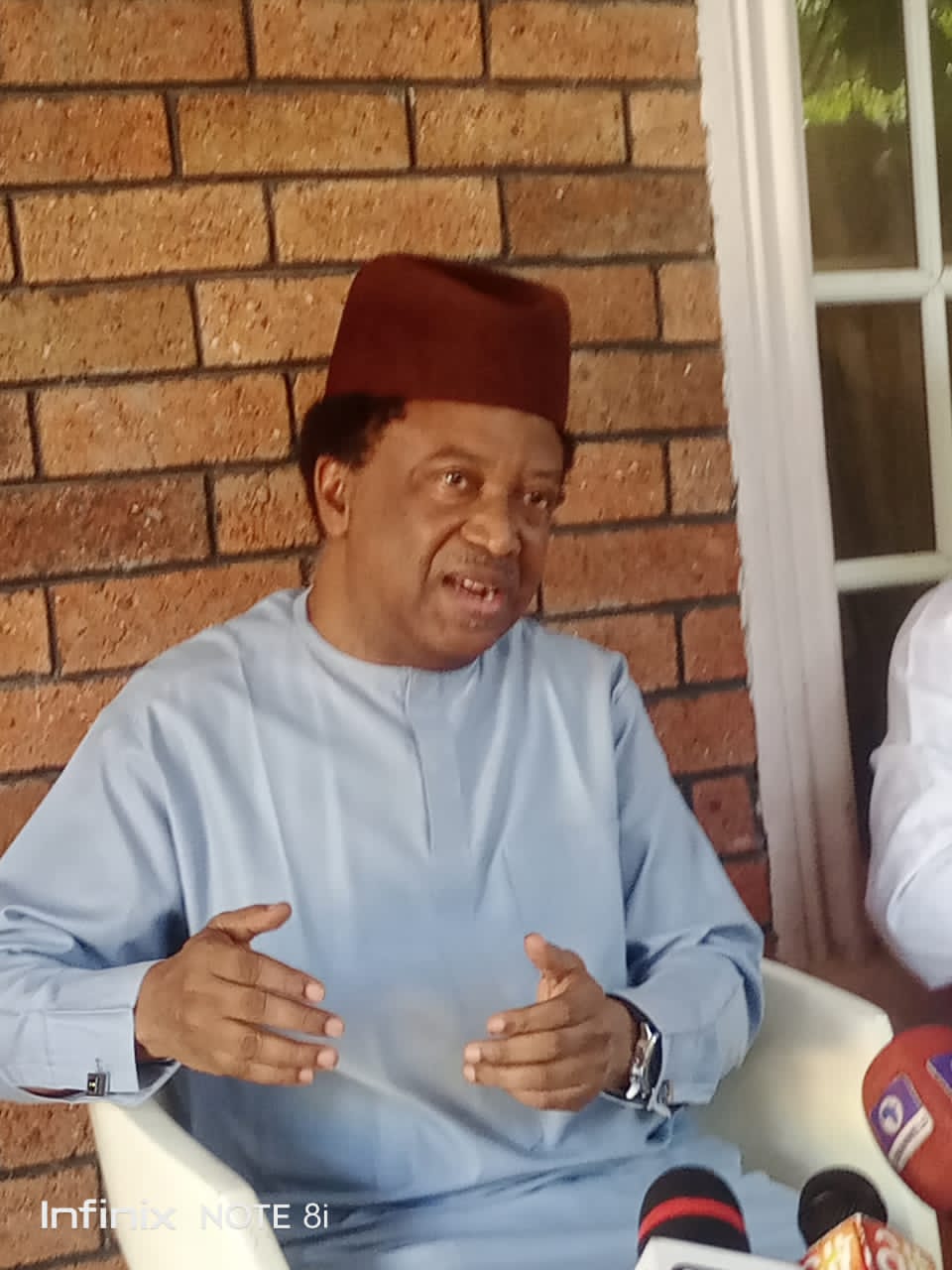
Former Senator representing Kaduna Central, Shehu Sani, has sharply criticized ex-Kaduna State Governor Mallam Nasir El-Rufai over his recent attacks on President Bola Ahmed Tinubu’s economic policies, accusing him of lacking the moral authority to speak on issues of fiscal transparency.
In a post published on his verified Facebook page, Sani accused El-Rufai of hypocrisy, stating that the same man now lambasting Tinubu over alleged deductions from federal allocations was himself accused of diverting local government funds during his time as governor—without consequence.
“Is this not the same El-Rufai who allegedly tampered with LG funds consistently during his time as governor? How come no one held him accountable then?” Sani asked rhetorically, a question that resonated widely across social media platforms.
Throughout El-Rufai’s eight-year administration in Kaduna State (2015–2023), multiple local government chairmen reportedly complained of poor remittances and a lack of financial autonomy. Yet, despite the gravity of the allegations, the Kaduna State House of Assembly did not initiate any probe or impeachment process, leading many to question the effectiveness of institutional oversight under his government.
El-Rufai recently condemned President Tinubu’s economic decisions—particularly the removal of fuel subsidy and deductions from statutory federal allocations to states—accusing the administration of worsening the economic plight of Nigerians. While many citizens share concerns over rising inflation, high fuel prices, and the cost of living under Tinubu, El-Rufai’s intervention has been viewed by some as politically motivated.
“Shehu Sani is right. El-Rufai’s record in Kaduna hardly qualifies him to be a critic of bad governance. He centralized power and allegedly stifled the financial independence of local councils. Nigerians deserve consistent voices of accountability, not selective outrage,” said Aisha Mohammed, a governance analyst based in Abuja.
Political commentators argue that El-Rufai’s statements are part of a broader pattern in Nigerian politics, where former public officeholders seek to rehabilitate their image by posing as reformers, often while sidestepping questions about their own legacy.
Sani’s remarks have ignited fresh calls by civil society organizations for greater accountability, not just for current leaders but also for those who previously held office. The organizations are demanding that past governors—including El-Rufai—be investigated for financial mismanagement and abuse of power, particularly with regard to local government autonomy and transparency.
“The system of impunity must end. Whether you are in office or out, you should be answerable for how you governed,” said Daniel Onu, a spokesman for the Transparency Front Initiative.
While President Tinubu’s fiscal reforms continue to face national scrutiny, critics say the focus must also remain on ensuring that past leaders do not escape accountability under the guise of political opposition or elder statesmanship.
As the verbal sparring between Shehu Sani and Nasir El-Rufai continues to dominate headlines, the public appears to be demanding a more consistent and principled standard for political commentary—one based not on ambition or score-settling, but on a genuine track record of transparency and service.
Trial Stalls Again as EFCC Custody Delays Arraignment of Identity Theft Suspect Sylvanus Okoh

Luka Soto
The much-anticipated prosecution of Mr. Sylvanus Enonche Okoh, accused of identity theft, fraud, and criminal conspiracy, suffered another setback yesterday as the second defendant in the case failed to appear in court, leading to yet another postponement of proceedings.
Mr. Okoh, who also goes by the alias Kenneth Ogbogu, is currently being held by the Economic and Financial Crimes Commission (EFCC) on related financial crime charges. However, the Federal Capital Territory (FCT) Command of the Nigeria Police Force, which is spearheading the prosecution, was unable to present him in court due to custody complications.
Sources close to the investigation revealed that the Police now require formal cooperation with the EFCC to secure the temporary release of Okoh for arraignment in the identity theft case. In addition to the EFCC’s probe, the suspect is under a parallel investigation by the State Intelligence Department (SID) of the FCT Police Command for alleged offenses including forgery, impersonation, and criminal conspiracy.
A senior police official, who spoke to TruthNigeria on condition of anonymity, confirmed that the current delay is rooted in inter-agency administrative hurdles. “This is not a matter of unwillingness to prosecute,” he said. “But we need the EFCC’s formal cooperation to have Mr. Okoh appear in court, as he is involved in overlapping investigations.”
The absence of Mr. Okoh—seen as central to the case—has left the complainants and their legal team increasingly frustrated. The victim’s family has raised concerns over the repeated adjournments, fearing they may embolden the accused and weaken the impact of the legal process.
“This kind of delay sends the wrong signal to other potential offenders,” said Luka Soto, co-author of this report and a legal correspondent. “When agencies fail to coordinate, justice is not only delayed but potentially denied.”
Legal analysts warn that high-profile fraud and identity theft cases such as this could lose public confidence if law enforcement bodies fail to align their efforts in a timely and transparent manner.
Court officials have not issued a new trial date, pending confirmation of the defendant’s availability. Meanwhile, pressure is mounting from civil society and legal advocacy groups urging the EFCC and the Police to streamline their collaboration to ensure that Okoh is produced in court without further delays.
The matter is expected to return to court as soon as inter-agency arrangements are finalized.
Southern, Middle Belt Leaders Say Buhari’s Death Calls for National Reflection, Not Just Mourning
Abuja
Sarah Odoh
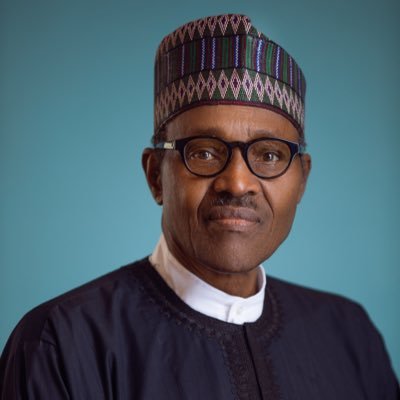
The Southern and Middle Belt Leaders Forum (SMBLF) has reacted to the passing of former Nigerian President and military ruler, General Muhammadu Buhari (GCFR), describing his death as an opportunity for deep national introspection rather than mere ceremonial mourning.
In a statement issued on Sunday and signed by prominent regional leaders, the Forum said that while the death of a former head of state naturally invites grief, Nigerians must use the moment to assess the country’s leadership trajectory and the long-standing consequences of Buhari’s years in power—both as a military dictator (1983–1985) and later as a two-term elected president (2015–2023).
“His passing was received with sadness but also with sober reflection,” the statement noted. “General Buhari’s leadership—before, during, and after his presidency—has had a lasting impact on Nigeria’s history, one that must be critically evaluated.”
The Forum acknowledged Buhari’s perseverance in returning to power through democratic means, describing his eventual election in 2015—after three failed attempts—as “historic” and a show of “unyielding belief in the democratic process.”
However, the SMBLF was candid about the controversial legacy of his civilian presidency. “His eight-year administration was marred by serious national challenges,” the statement said. “From widespread insecurity to economic instability and worsening ethnic divisions, Buhari’s leadership remains one of the most debated in modern Nigerian history.”
Despite the criticism, the group affirmed that Buhari’s name “will forever occupy a space in Nigeria’s democratic journey,” though the full measure of his legacy is still being written.
SMBLF extended condolences to the late president’s family and to the nation. “We pray that his soul finds eternal peace with his Maker,” it said.
The statement was endorsed by the key figures of Nigeria’s Southern and Middle Belt regional organizations:
HRM Oba Oladipo Olaitan, for Afenifere
Dr. Bitrus Pogu, for the Middle Belt Forum
Senator John Azuta-Mbata, for Ohanaeze Ndigbo Worldwide
Ambassador Godknows Igali, for PANDEF
General Muhammadu Buhari died on June 14, 2025, at the age of 82. He leaves behind a complex legacy—one that will continue to shape Nigeria’s political discourse for years to come.
 Dan Zaki Media